
Galled Premium Connection Causes: What Goes Wrong During Make-Up and How to Prevent It
Galled premium connection causes: 7 common mistakes during make-up — contamination, compound, alignment, clamping — plus prevention and hold-point checklist.
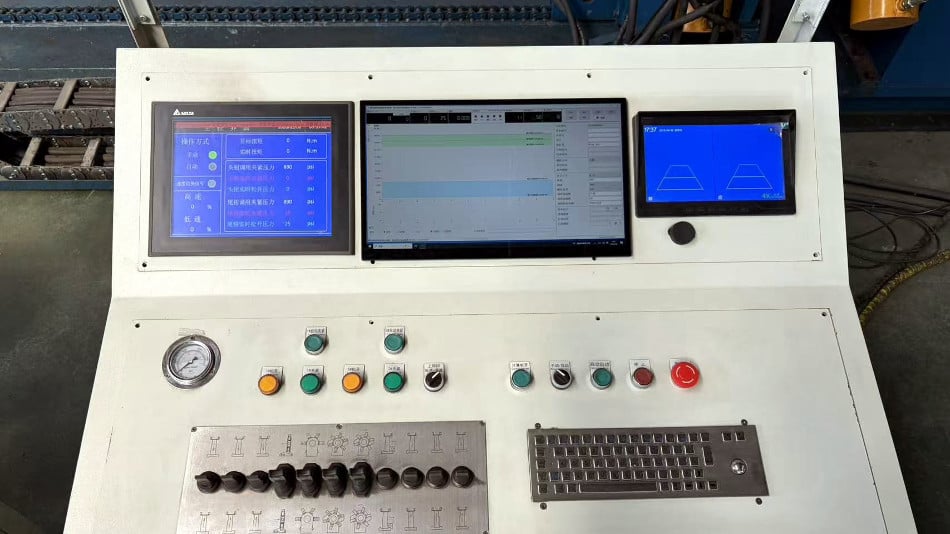
Figure 1. Galip control console used for controlled workshop make-up and QA record review.
A galled premium connection usually does not happen because of one dramatic mistake. More often, it is the result of several small controls being missed before final torque is reached. A thread protector was removed too early. The connection picked up dust or metal particles. The compound was applied unevenly. The pipe was not sitting naturally in the supports. The operator felt high resistance but tried to finish the joint because the final torque target was still ahead.
By the time the connection is broken out and the damage is visible, the argument has already started: was it handling damage, poor compound discipline, alignment, make-up speed, clamping, or a connection that should have been held for inspection earlier? This guide explains the most common galled premium connection causes, what operators should check first, and how a controlled workshop make-up process with recorded torque-turn results helps reduce repeat failures. For the foundational mechanics behind torque delivery itself, see our companion bucking unit drive structure comparison.
Table of contents
- Key takeaways
- What galling means in premium connection make-up
- Seven common galled premium connection causes
- 1. Contamination — the small problem that becomes a big torque response
- 2. Thread compound mistakes
- 3. Misalignment and forced engagement
- Why final torque alone is not enough
- Field diagnosis: what to do when galling is suspected
- Suspected galling hold-point checklist
- Prevention checklist before premium connection make-up
- How a controlled bucking unit helps reduce repeat galling
- FAQ — galled premium connection questions
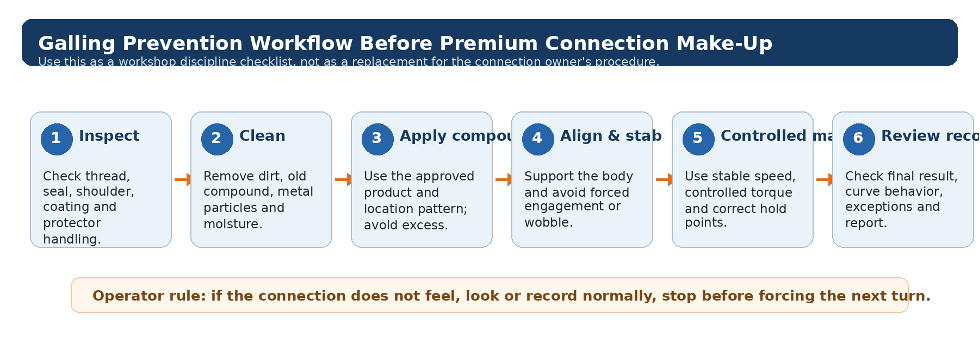
Figure 2. Galling prevention is a workflow: inspect, clean, apply compound, align, make up under control, then review the record.
Key takeaways
- Galling is surface damage caused by high-friction metal contact during make-up or break-out. On premium connections it can affect threads, seal areas, shoulders and customer acceptance.
- The usual galled premium connection causes are contamination, poor compound discipline, misalignment, forced stabbing, unstable make-up speed, poor support height, incorrect clamping practice, or continuing after an abnormal torque response.
- Final torque alone does not prove a clean make-up. Operators should also review curve behavior, turn progress, alignment, body movement and any exception notes — see our torque-turn graph interpretation guide.
- A controlled bucking-unit workflow helps standardize the process and gives QA teams a record to review when a connection is accepted, remade, rejected or investigated.
What galling means in premium connection make-up
Galling is not just a cosmetic scratch. It is damage caused when mating metal surfaces rub under high load and the surface begins to tear, smear or transfer material. In a premium connection, that damage can appear on the thread flanks, seal surfaces, shoulder areas or nearby contact zones depending on the connection design and the mistake that caused it. Premium families such as VAM, TenarisHydril, Hunting, FOX, TMK and JFE are especially sensitive — the brand-specific rules are covered in our VAM and Tenaris connections guide.
That is why galling creates so much concern in OCTG and premium-thread work. A galled connection may still look close to final make-up position. It may even have reached a torque value that seems acceptable. But the surface condition may no longer support the sealing and mechanical performance expected by the connection owner. Failure modes that flow from this surface damage are catalogued in our premium thread connection failures checklist.
For a workshop, the question is not only, “Did the connection gall?” The better question is: “Which control failed before the damage appeared, and can we prove what happened?” The audit-side workflow for answering that is covered in our connection traceability guide.
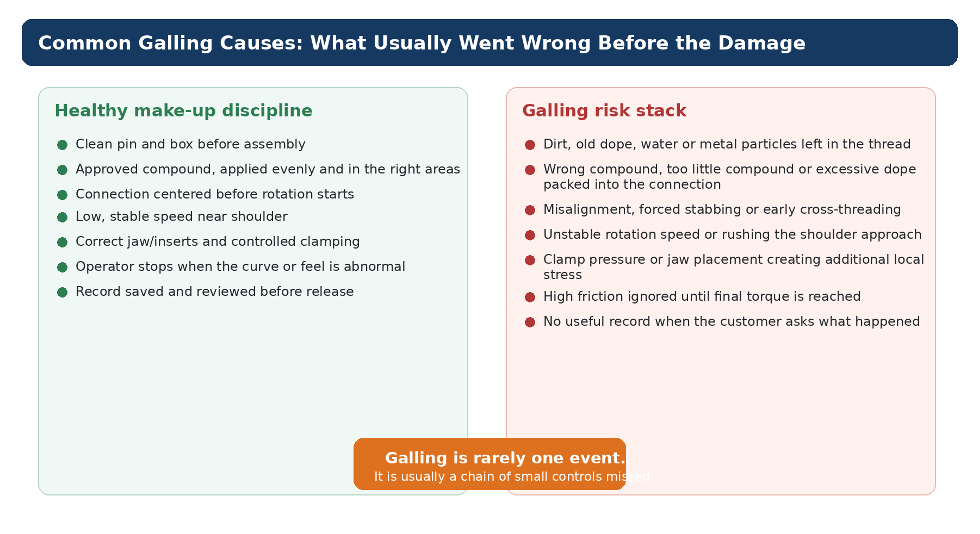
Figure 3. Galling risk usually builds from several missed controls, not one isolated event.
Seven common galled premium connection causes
| Cause | What goes wrong | Practical prevention |
|---|---|---|
| 1. Dirty or damaged threads | Old compound, grit, metal particles, moisture, coating debris or handling damage can create high-friction contact points before the connection is fully engaged. | Clean pin and box carefully. Inspect thread, seal and shoulder surfaces before compound application. See OCTG receiving inspection checklist. |
| 2. Wrong or uneven thread compound | Too little compound can increase friction. Too much can trap contamination, hide damage and change make-up behavior. Wrong product selection can also shift friction response. | Use only approved compound and apply per procedure — see thread compound rules. |
| 3. Misalignment during stabbing | If the connection starts crooked, the first engaged threads can be overloaded. Forced engagement can damage geometry before the operator sees final torque behavior. | Use proper stabbing practice — see pipe stabbing alignment guide. |
| 4. Unstable speed near shoulder | Rushing the final stage can hide feedback, increase heat and make it harder to catch a poor shoulder approach. | Use controlled speed, especially during the final-stage make-up review area. |
| 5. Poor support height or wobble | A workpiece that is not centered can create side load and uneven contact. The connection may still rotate, but not under healthy conditions. | Set roller/support height before clamping — see pipe rotation wobble warning signs. |
| 6. Incorrect clamping practice | Wrong jaw selection, poor jaw placement, or excessive clamping on a sensitive area can add local stress or surface marks that complicate failure investigation. | Use correct jaws and approved body locations — see non-marking jaw practice. |
| 7. Continuing after abnormal response | Operators sometimes push through high resistance to reach final torque. That can turn a recoverable hold point into damaged threads. | Stop, back out if instructed, document the exception and escalate per the work instruction — see our pre-shift operator checklist. |
1. Contamination — the small problem that becomes a big torque response
Premium connections need clean contact surfaces. Dirt, old dope, rust particles, metal chips, water or shop debris can create local high-friction points. When the connection starts to rotate, those particles are squeezed into the contact path. The result can be a torque response that rises earlier or more sharply than expected. This is also one of the most common patterns flagged in our why drill pipe connections seize diagnostic guide.
This is why thread protectors, cleaning discipline and timing matter. Removing a protector too early, laying the end on a dirty surface, or wiping the connection with a contaminated rag can undo the inspection step before the machine ever starts. The operator-level discipline behind protector handling is covered in our thread protector discipline guide.
A simple rule works well: clean first, inspect second, compound third, and do not let the connection re-enter the dirt path before make-up. For CRA tubulars the cleaning discipline is even stricter — see CRA connection handling habits.
2. Thread compound mistakes
Thread compound is not a decoration. It changes friction behavior during make-up and helps protect contact surfaces. On premium connections, the compound type, application area and amount must match the connection owner’s procedure.
Too little compound can leave metal surfaces under-lubricated. Too much compound can collect grit, affect the torque response or make inspection harder. Applying compound to the wrong area can also create problems on connections with specific seal or shoulder requirements.
For this reason, operators should not rely on a vague instruction like “apply dope.” The workshop should have a visible compound rule for each connection family: approved product, where to apply it, how much to apply, and who checks it before make-up. Our full thread compound for premium connections guide covers the seven application rules in detail.
3. Misalignment and forced engagement
Many galled premium connection events start with the first few turns. If the pin and box are not aligned, the connection may still start, but it is not starting cleanly. Cross-threading or forced engagement can damage thread geometry before final torque is even relevant.
In a workshop, alignment is controlled by support height, stable body handling, clamp setup and operator attention. The connection should not need to be forced into position. If the part must be pushed, lifted, twisted or held awkwardly to engage, the setup is not ready. See our 3-second stabbing alignment rule for the operator-side check.
The better habit is to stop early, reset the support, clean again if needed and restart the engagement correctly. Saving two minutes during stabbing is not worth losing the joint, the customer trust and the shift schedule later.
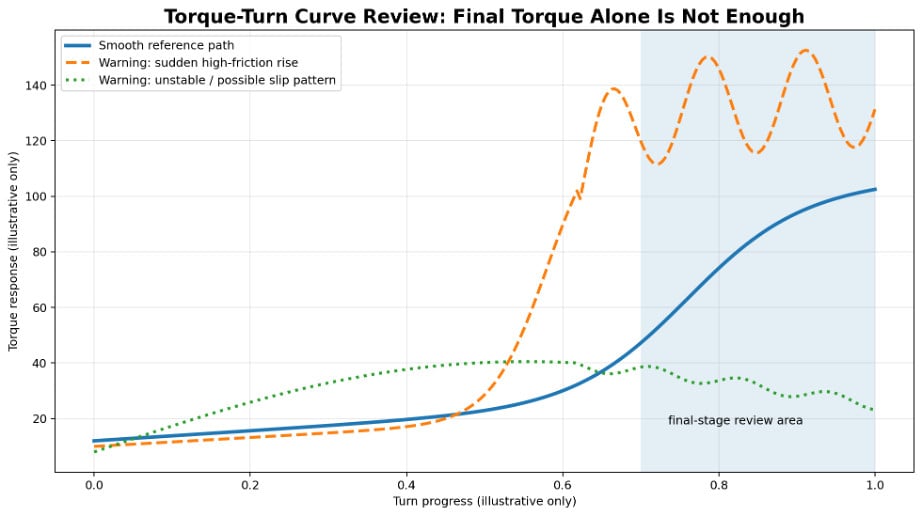
Figure 4. Illustrative torque-turn behavior: a smooth final-stage path is easier to defend than a curve with sudden spikes or unstable response.
Why final torque alone is not enough
A connection can reach a final torque value and still deserve a hold point. That is the main reason torque-turn review matters. The operator and QA reviewer should look at the path, not only the endpoint. Did torque rise smoothly? Did the curve change suddenly? Did the connection behave differently from similar joints? Was there slippage, wobble, excessive resistance or an operator stop? Was the record saved under the correct joint or job reference? Our full torque-turn graph interpretation walks operators through each curve pattern.
This article keeps the discussion at the operator and QA-record level. From the customer’s point of view, the important value is simple: the workshop has a make-up record that can be reviewed instead of relying only on memory or final torque. The audit-readiness side is covered in our QA acceptance criteria and audit-readiness guide.
Field diagnosis: what to do when galling is suspected
When galling is suspected, the worst response is to hide the joint inside normal production. A suspect connection should become a controlled hold point.
The goal is not to blame the operator. The goal is to protect the connection, protect the customer and protect the workshop’s ability to explain what happened with evidence. See our damaged connections inspection checks for the next-step decision tree.
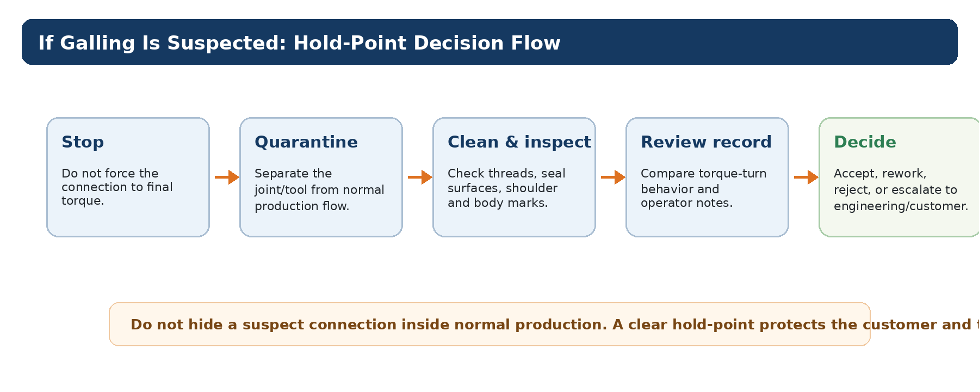
Figure 5. A simple hold-point flow keeps suspect connections out of normal production until they are reviewed.
Suspected galling hold-point checklist
| Action | Why it matters |
|---|---|
| Stop the operation | Do not force the connection to final position just to finish the job. |
| Record the reason | Note abnormal torque response, speed issue, slip, noise, wobble, visual damage or operator concern. |
| Secure the part | Keep the joint/tool separate from accepted production until reviewed. |
| Clean for inspection | Remove compound carefully so thread, seal and shoulder surfaces can be examined. |
| Compare the record | Review curve behavior, final value, turn progress and any exception notes. |
| Decide the disposition | Accept, rework, reject or escalate according to the connection owner / customer procedure. |
Prevention checklist before premium connection make-up
- ☐ Connection protectors removed only when the joint is ready for inspection and make-up.
- ☐ Pin, box, seal area and shoulder inspected before compound application.
- ☐ No dirt, old compound, water, rust particles or loose metal debris left in the connection.
- ☐ Approved thread compound selected for the connection and job condition.
- ☐ Compound applied in the correct area and amount according to the official procedure.
- ☐ Workpiece supported at the correct height and sitting naturally before clamping.
- ☐ Correct jaws or inserts selected for the product body and surface condition.
- ☐ Clamp locations clear of thread, seal and other sensitive areas.
- ☐ Rotation speed controlled, especially during the final approach.
- ☐ Torque-turn record started, reviewed, saved and attached to the correct job or joint reference — see connection traceability practice.
How a controlled bucking unit helps reduce repeat galling
A bucking unit cannot fix a dirty thread, wrong compound or damaged connection. Those are process problems. But a good bucking-unit workflow can make the process more repeatable and easier to audit. The mechanical foundation matters too — see our bucking unit drive structure comparison for why drive geometry decides torque-turn signal quality.
In a workshop environment, Galip’s hydraulic bucking unit helps teams control the operation around the connection: support, alignment, clamping, rotation, torque delivery, monitoring and reporting. The machine is not only a torque source; it is part of the workshop’s torque-turn monitoring system. Buyers comparing configurations can use our bucking unit selection guide and spec sheet reading guide.
The practical benefit is visibility. If a connection behaves abnormally, the team has a record to review. If a joint is accepted, the customer has documentation. If a failure investigation starts later, the workshop does not have to rely only on memory from a busy shift — exactly the audit-readiness logic explained in our QA acceptance and audit-readiness reference.
Talk to GALIP about reducing repeat galling in your workshop
If repeat galled premium connection events have become a pattern in your shop, talk to our engineering team about a controlled hydraulic bucking unit with torque-turn recording and PDF/Excel reporting. We design for workshops handling OCTG, premium connections, drill pipe, BHA components, mud motors and service-center make/break work. Send your OD range, torque range, connection family, reporting requirement and workshop layout — we will recommend a practical configuration.
Thread form affects how galling starts and how visible it is afterwards; the three OCTG forms are compared in buttress thread and connection types.
FAQ — galled premium connection questions
Can a connection gall even if final torque was reached?
Yes. Final torque is only one acceptance indicator. If the path to that torque was abnormal, the connection may still require inspection or rejection depending on the official procedure. The torque-turn curve shape carries more diagnostic value than the final number — see our torque-turn graph interpretation guide.
Is thread compound always the cause of galling?
No. Compound problems are common, but galling can also come from contamination, misalignment, unstable speed, poor support, incorrect clamping or pre-existing handling damage. Most galled premium connection events involve more than one missed control — that is why prevention has to cover the whole workflow, not just the compound step.
Should an operator continue if torque rises sharply before the expected point?
No. A sudden or unexplained rise should be treated as a hold point. Stop, inspect and follow the work instruction instead of forcing the connection. Our pre-shift operator checklist covers the decision points operators should rehearse before the first joint of every shift.
Can a bucking unit prevent all galling?
No equipment can prevent every failure. The bucking unit supports a controlled workflow, but clean threads, approved compound, correct handling and trained operators are still required. The mechanical contribution of the machine — drive symmetry, low backlash, controlled rotation — is explained in our bucking unit drive structure comparison.
What record should be kept after make-up?
At minimum, the workshop should retain the job/joint identity, operator, date/time, target and final values, torque-turn result, exception notes and disposition according to the customer’s QA requirements. The full record-keeping discipline is explained in our connection traceability guide.
What is the difference between galling, seizing and thread damage?
Galling is surface material transfer during high-friction sliding contact. Seizing is when relative motion between threaded surfaces becomes blocked or extremely resistant. Thread damage is a broader term covering both, plus mechanical defects such as crushed crests, bent threads or impact dents. Our why drill pipe connections seize guide diagnoses each pattern.
Are premium connections more prone to galling than API connections?
Premium connections have tighter tolerances, dedicated seal surfaces and shoulder geometries that depend on controlled contact. Small surface defects that an API connection might tolerate can compromise a premium seal. That sensitivity is why the premium connection control guide emphasizes process discipline alongside torque value.
Expert Consultation
Need more information on optimizing your equipment performance? Our engineering team is available for technical consultations.
Request a Quote
Tell us about your requirements and our engineering team will prepare a detailed proposal with specifications, pricing, and delivery timeline.
