
Bucking Unit Drive Structure Comparison: Single-Bottom vs Lower-Dual vs Balanced L/R
Bucking unit drive structure compared: single-bottom, lower dual-motor, and GALIP balanced left/right. Why torque entry position decides premium connection quality.
Galip Equipment — a structural comparison guide for buyers, supervisors, and QA managers evaluating premium-connection bucking units.
Most buyers compare bucking units by maximum torque rating and motor count. For general API connections, that view is enough. For premium connections — VAM, TenarisHydril, Hunting, FOX, TMK, JFE and other tightly-toleranced thread families — it is not. The bucking unit drive structure itself decides whether the torque arrives smoothly, whether the shoulder event is visible, and whether the torque-turn record can be trusted. This article compares the three bucking unit drive structures most often seen on the market today: single bottom motor, lower dual-motor, and GALIP’s balanced center-line left/right dual drive — and explains why structure, not motor count, is the real benchmark for premium connection work.
Table of contents
- 1. Premium connections need torque quality, not only peak torque
- 2. The comparison must be three-way, not one motor vs two
- 3. High-torque mechanical behavior of each drive structure
- 4. Torque-turn capture: the machine creates the signal
- 5. Why premium thread systems are sensitive to small instabilities
- 6. Why GALIP’s drive structure is better suited than price-focused units
- 7. Customer benefits, ranked by drive structure
- 8. Suggested sales message for the bucking unit drive structure choice
- 9. Final recommendation
- 10. Frequently asked questions
- 11. Trademark and procedure note
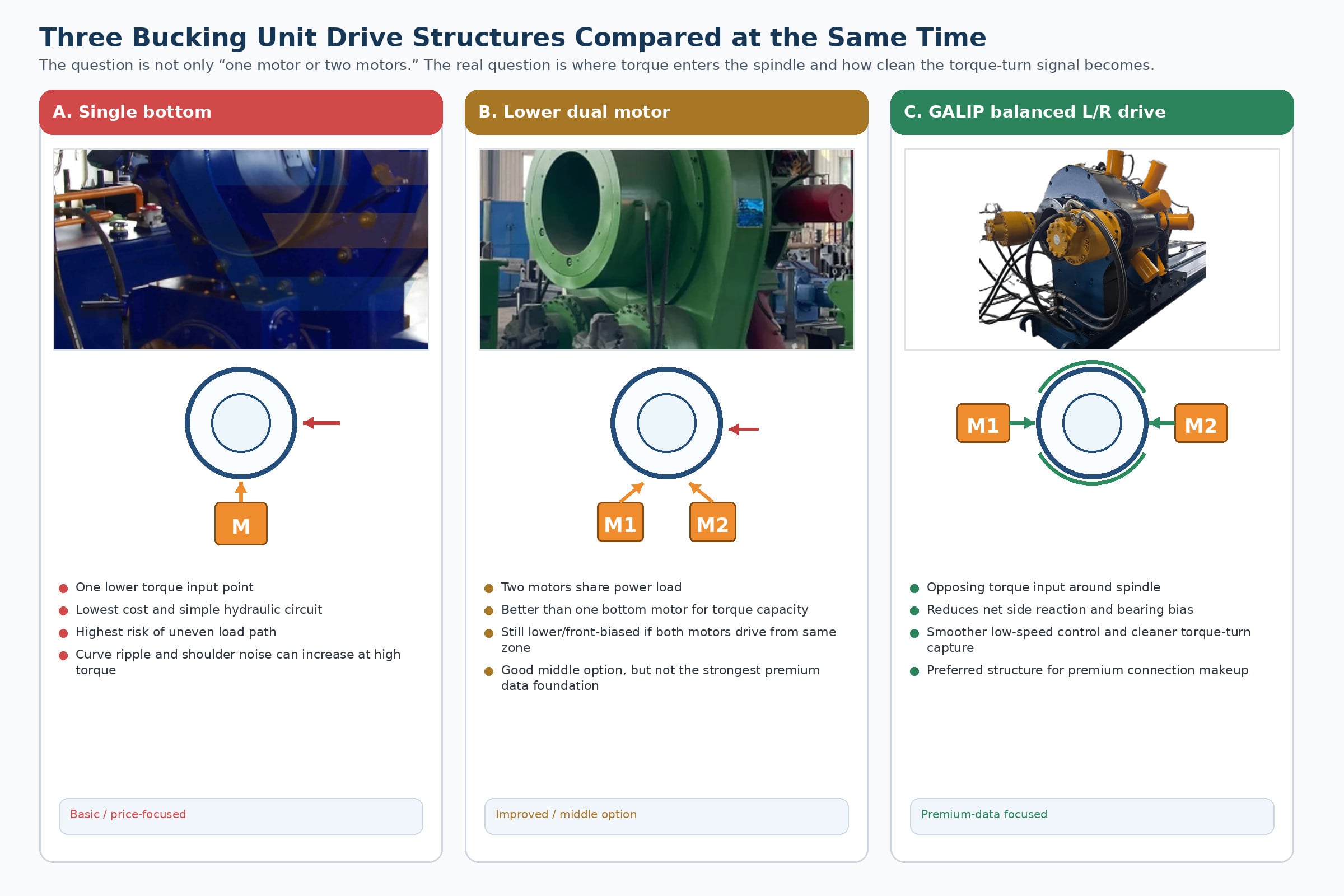
Figure 1. The three bucking unit drive structures compared at the same time: single bottom motor, lower dual-motor, and GALIP balanced left/right dual drive.
1. Premium connections need torque quality, not only peak torque
In many pipe yards and repair shops, a bucking unit is judged mainly by maximum torque rating. For general API connections, this can be acceptable. For premium connections, it is not enough. Premium threads behave differently — the geometry is more sensitive, the shoulder event carries more meaning, and the customer expects a documented torque-turn record that proves the connection was made up correctly. (Operators new to this discipline often start with our Bucking Unit 101 guide.)
This is where GALIP’s philosophy for bucking unit drive structure design is different from many conventional, price-focused units. We do not build only around motor size or peak kN·m. We build around torque quality — smooth rise, balanced load path, clean signal capture, and a report the customer can defend in audit. The same principle guides our broader workshop guidance on torque-turn monitoring systems and the day-to-day bucking unit operation procedure.
Premium connection systems such as VAM, TenarisHydril, Hunting, FOX, TMK and JFE depend on precise contact behavior at the thread flank, shoulder, and sealing area. Small mechanical instabilities during makeup can create over-torque on the shoulder, under-engagement on the seal, or a torque-turn curve that simply does not look right on review — and that single bad-looking curve is usually what forces a remake. The brand-specific rules for handling VAM and Tenaris families are covered separately in our VAM and Tenaris connections guide.
2. The bucking unit drive structure comparison must be three-way, not one motor vs two
A common mistake in the market is to ask only one question: “Does the machine have one hydraulic motor or two?” This is incomplete. A lower dual-motor machine may look stronger than a single-motor machine, but if both motors still inject torque from the same lower zone, the bucking unit drive structure remains lower-biased. GALIP’s balanced left/right design changes where the torque enters, not only how much.
A. Single bottom motor
- One lower torque input point.
- Simple, economical, and common in basic bucking units.
- Highest risk of uneven torsional load path at high torque.
- More likely to create ripple, side load, and stick-slip near shoulder approach.
B. Lower dual-motor structure
- Two motors share torque demand — useful for raw high-torque hydraulic system capacity.
- Better than one motor for total torque capacity and motor stress.
- Still lower/front-biased if both motors enter from the same lower zone.
- Good intermediate solution, but premium signal quality depends heavily on frame, gearbox, and bearing design.
C. GALIP balanced center-line left/right dual drive
- Torque enters from opposing left/right sides around the spindle.
- Designed to reduce net side reaction and keep the spindle centered.
- Stronger foundation for smooth creep rotation and cleaner torque-turn data — the principle behind our precision torque application design.
- Preferred structure for premium connection makeup, shoulder detection, and report confidence.
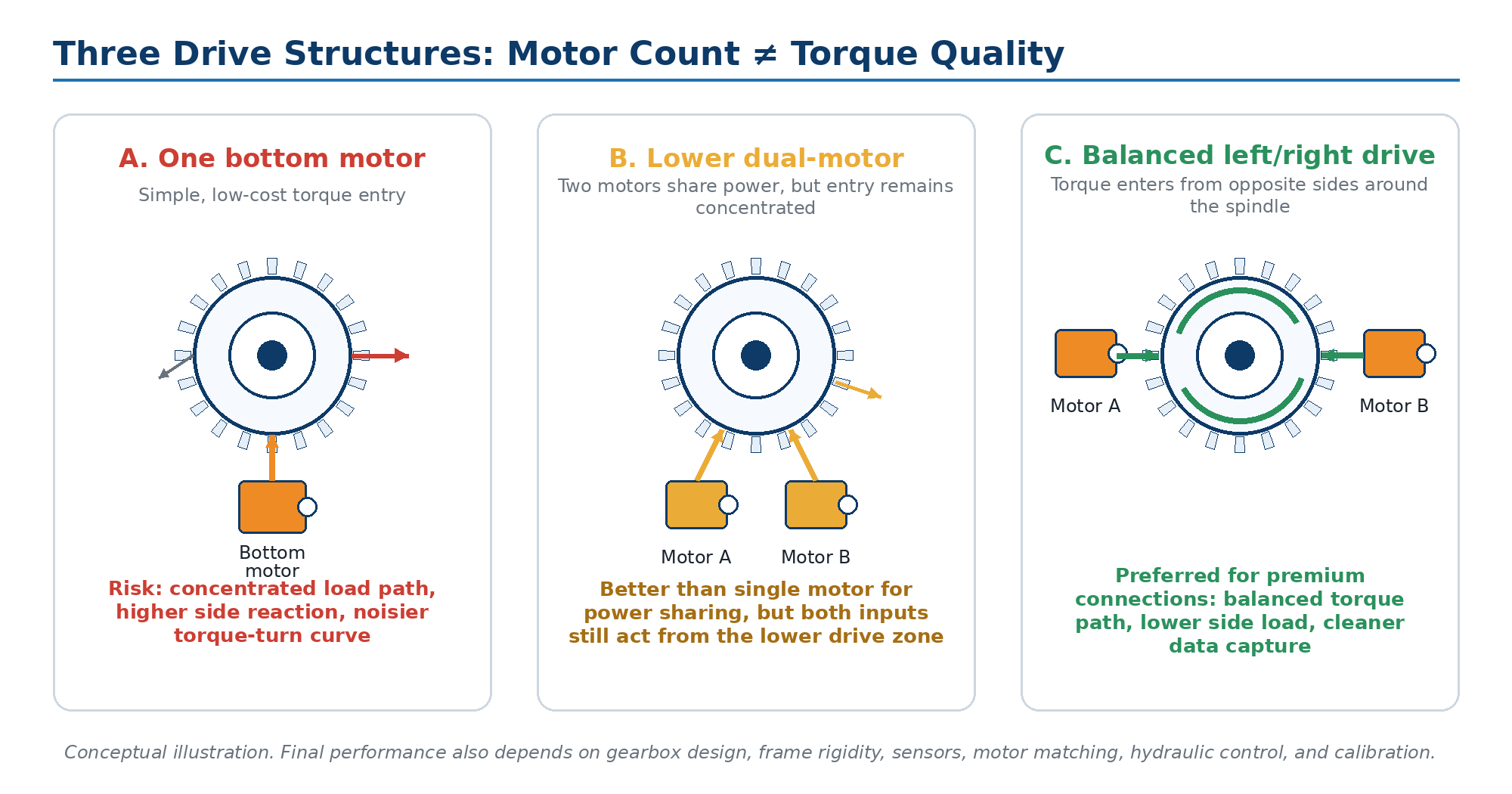
Figure 2. Motor count matters, but torque-entry position and load-path balance matter more for premium connection quality.
3. High-torque mechanical behavior of each bucking unit drive structure
The next sections explain why the lower dual-motor design is a real improvement over one bottom motor, yet still not the best premium-connection structure when compared with GALIP’s balanced left/right approach. The same physical reasoning is summarized for buyers in our rotational vs traditional bucking unit decision matrix.
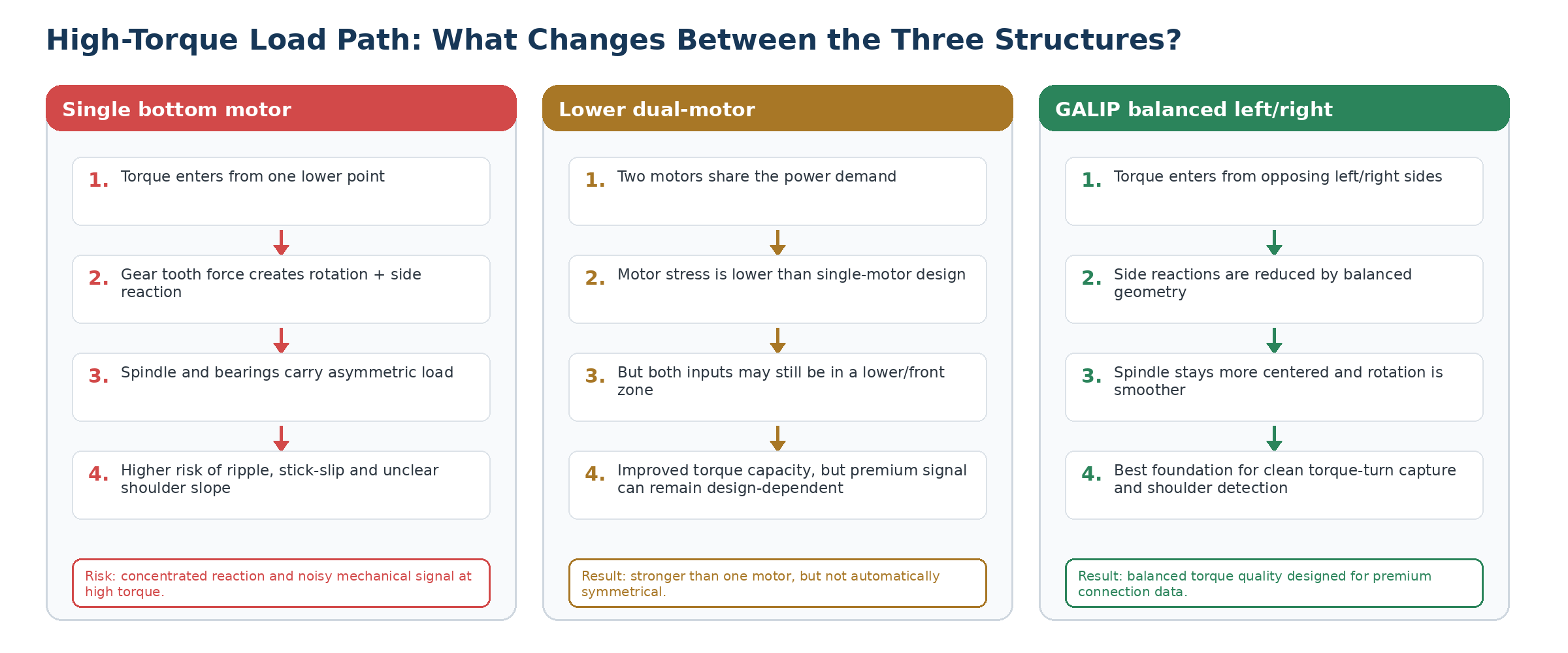
Figure 3. High-torque load path comparison: the lower dual-motor design improves power sharing, but the balanced left/right drive improves torque symmetry.
3.1 Torque entry and reaction-force balance
When a hydraulic motor drives the main gear, it creates a tangential force. That force rotates the spindle, but it also creates reaction forces that must be carried by the gearbox housing, bearings, and frame. Where that input is located is what decides whether the resulting load path is symmetric or biased.
| Comparison item | Single bottom motor | Lower dual-motor | GALIP balanced left/right dual drive |
|---|---|---|---|
| Torque entry | One lower input point. Drive force concentrated. | Two motors share power, often both in the lower/front zone. | Opposing inputs around the spindle reduce net side reaction. |
| Load path | More likely to become asymmetric as torque rises. | Improved load sharing, but path can remain bottom-biased. | More symmetrical path from drive to spindle to connection. |
| Premium result | Higher risk of curve noise; less stable low-speed movement. | Better than single motor, but not automatically premium-grade. | Cleaner mechanical foundation for shoulder detection and torque-turn capture. |
3.2 Why one bottom motor can lead to an uneven torsional load path
The weakness of a one-bottom-motor bucking unit drive structure is not only the number of motors. The deeper issue is the direction and concentration of the load path. When high torque enters from the bottom, the spindle, gearbox, and frame absorb a reaction in one consistent direction. Bearings, gear teeth, and bushings on the loaded side carry more stress; the opposite side carries less. Under high torque, this can become an uneven torsional load path.
This does not mean a single-bottom machine cannot make up a connection. It means that when torque becomes high and the connection enters the sensitive shoulder zone, the machine has less natural mechanical symmetry to fall back on — exactly when premium threads need it most. Operators learning this difference benefit from the field discipline outlined in our pre-shift operator checklist and our guide on pipe stabbing alignment.
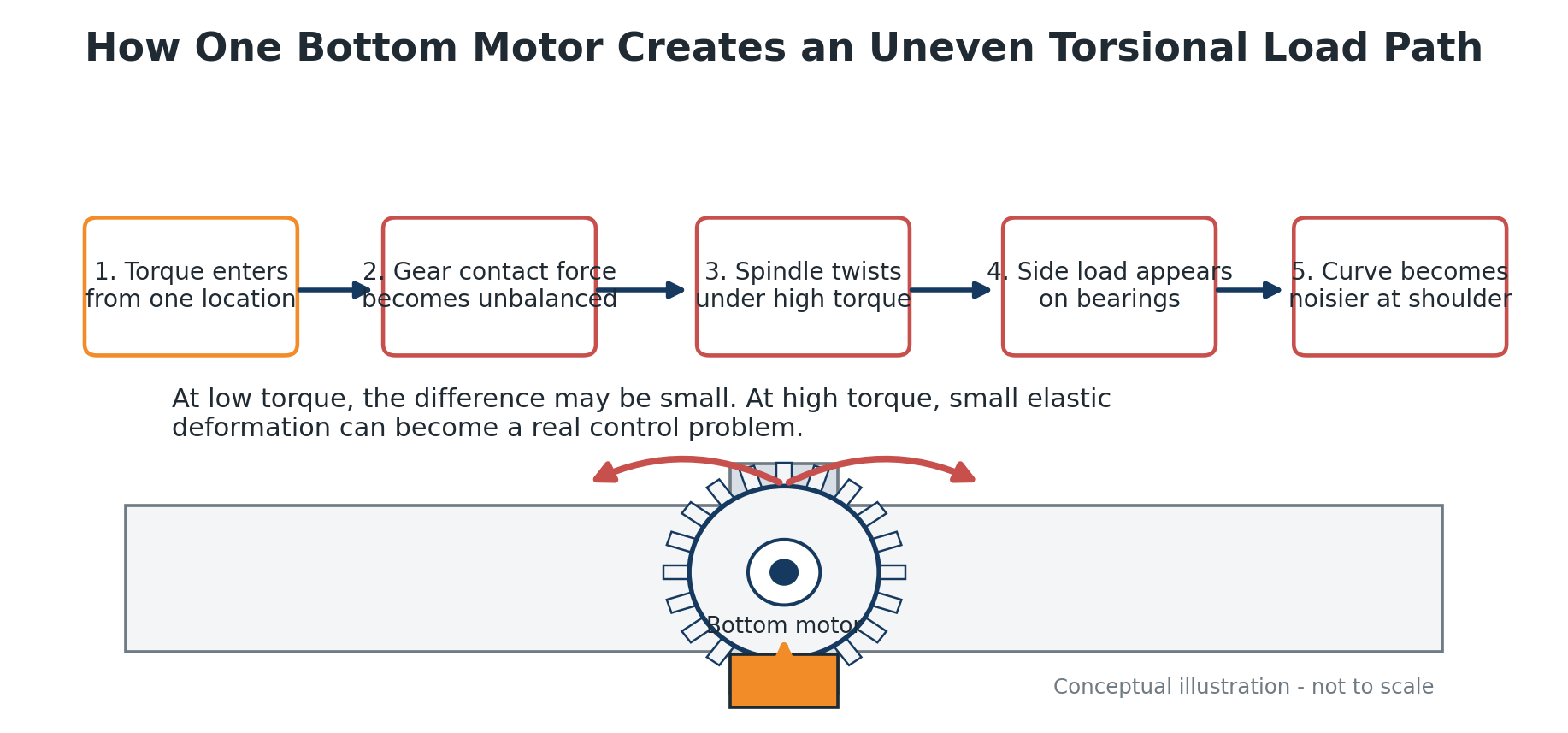
Figure 4. In a one-bottom-motor drive structure, torque enters from one lower point, so side reaction and elastic twist can influence the measured signal.
3.3 Spindle shaft twist: small deformation, big signal effect
Any spindle shaft twists slightly when torque is applied. This is normal mechanical behavior. Conceptually, shaft twist increases with torque and length, and decreases with material stiffness and polar moment of inertia. The amount is small, but it is not zero, and at premium-makeup precision it is enough to influence the recorded torque-turn relationship.
A single-bottom motor can create a directional wind-up effect. A lower dual-motor design reduces the load per motor, but if the inputs remain close together in the lower zone, the twist can still be biased. GALIP’s balanced left/right configuration spreads input symmetrically — the twist that does occur is more uniform and less likely to distort the curve where the operator is reading shoulder events. This curve discipline is documented in detail in our torque-turn graph interpretation guide.
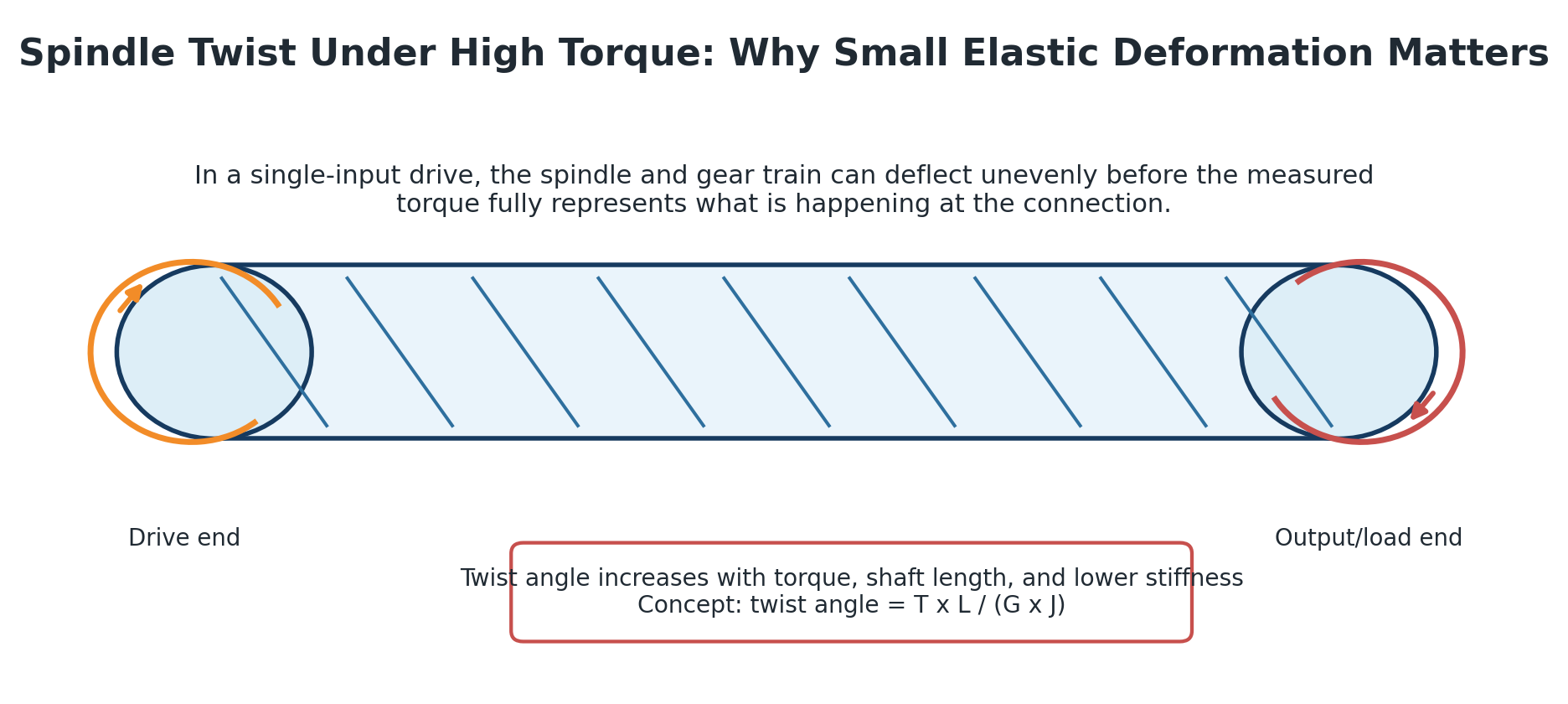
Figure 5. Spindle twist is small, but it can affect final-angle control and shoulder recognition in premium makeup.
3.4 Gearbox asymmetric load, side loading, and bearing wear
In a concentrated lower-drive design, gear tooth contact does not only rotate the spindle. It also creates a radial and tangential reaction that the bearings and frame must absorb. At high torque, this concentrated side loading accelerates bearing wear, can shift backlash behavior over time, and contributes to the kind of mechanical noise that masks shoulder slope changes in the torque-turn graph.
The lower dual-motor structure improves power sharing because each motor may carry less of the total load. However, if both motors still apply force from the same lower/front region, the bearing reaction concentrates in the same area. GALIP’s balanced left/right approach distributes the reaction across the housing, reducing peak bearing load and extending the practical service life of the mechanical chain — which is also why our hydraulic stability and clamp consistency matter so much in long-term operation.
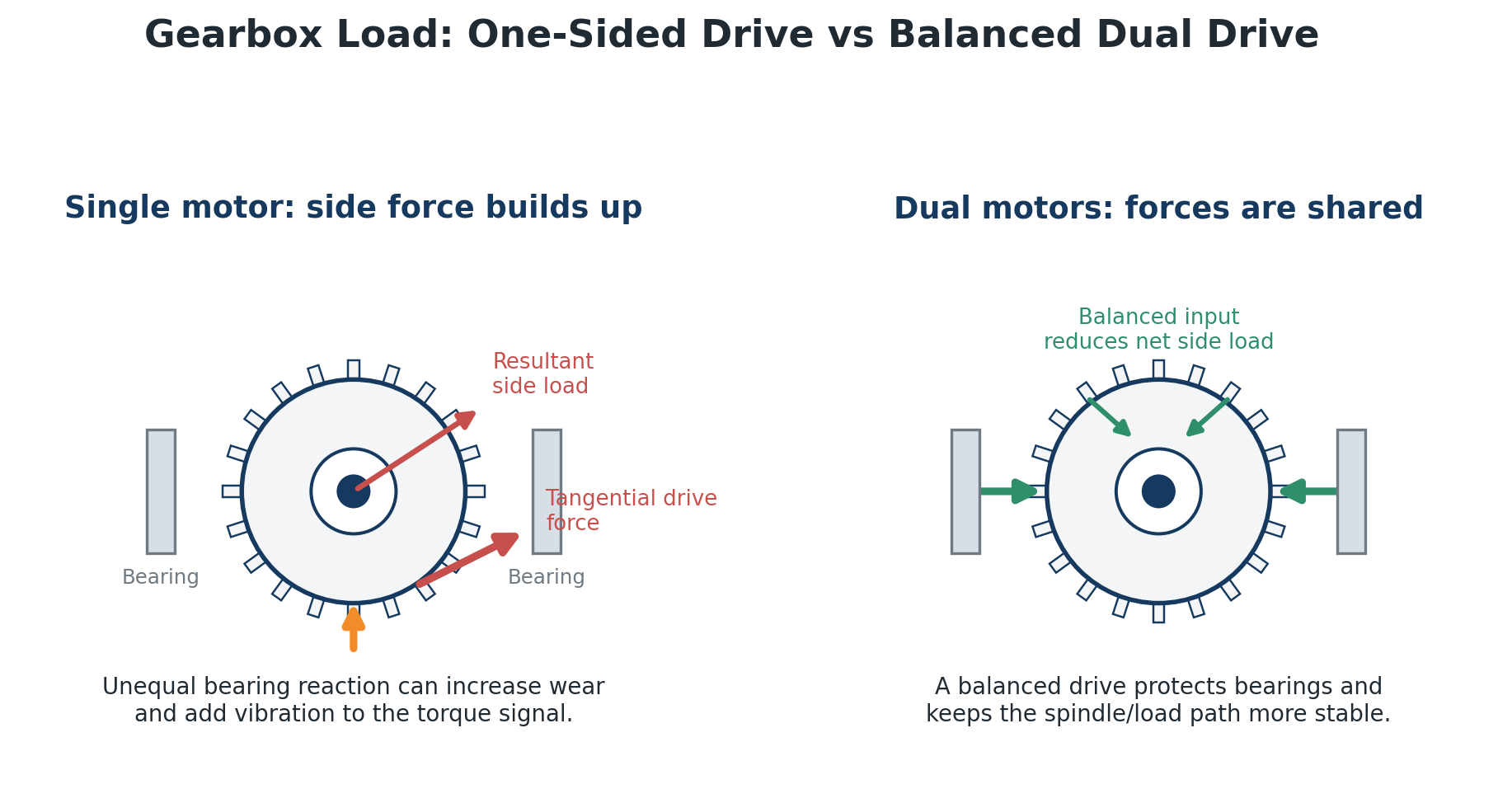
Figure 6. Gearbox and bearing reactions: sharing power is good, but balancing the side reaction is better for premium torque capture.
3.5 Micro vibration, stick-slip, and shoulder approach
Shoulder approach is one of the most important zones in premium connection makeup. The torque slope changes quickly as the shoulder or sealing surface begins to engage. The machine control system must rotate the spindle slowly and consistently so the operator (or the software) can see that slope change cleanly.
A single-bottom motor can store and release torsional energy, creating a higher stick-slip tendency. A lower dual-motor design has better torque reserve and may rotate more smoothly than one motor, but it can still suffer if the drive inputs share the same low position. The balanced left/right structure is built to avoid this — torque arrives evenly, the spindle creeps cleanly, and the resulting curve is easier to interpret. For operators reading those curves day-to-day, our torque-turn graph interpretation guide is the companion reference.
4. Torque-turn capture: the bucking unit drive structure creates the signal
Premium connection customers do not only ask, “Did the machine reach torque?” They ask, “Can you prove that the connection was made up correctly?” This is why torque-turn capture is central to premium-connection bucking units, and why the raw mechanical signal matters as much as the analytics layered on top of it.
Software can analyze the curve, but the machine creates the curve. If the drive structure produces vibration, side load, backlash, or stick-slip, the software receives noisy data. A clean torque-turn record starts at the gearbox, the bearings, and the spindle — long before the report is rendered. This is the operating principle behind GALIP’s premium connections bucking unit control guide, and it ties directly into the audit workflow in our QA acceptance criteria and audit-readiness reference.
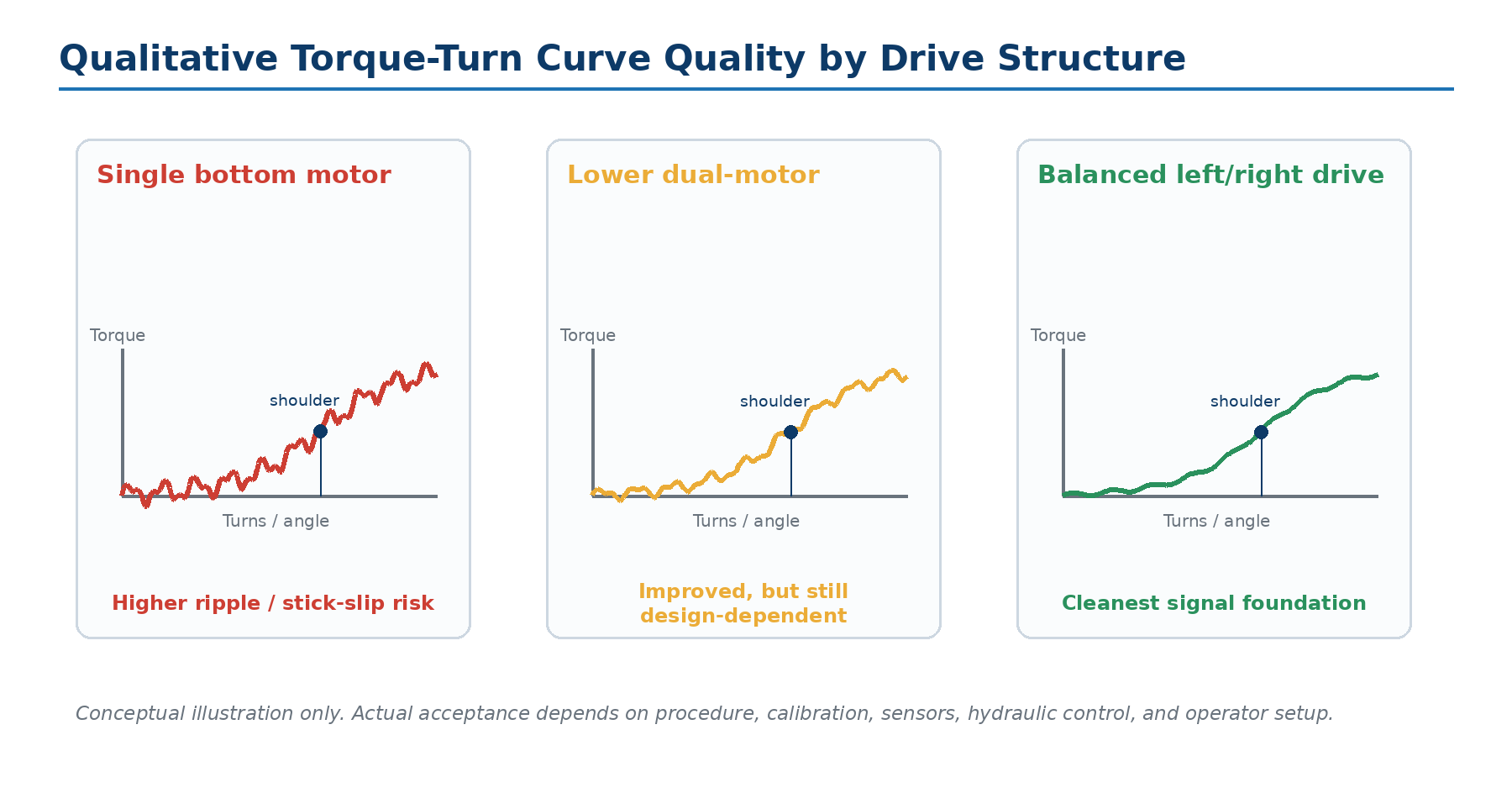
Figure 7. Same-time torque-turn comparison: cleaner drive geometry produces cleaner data for shoulder detection.
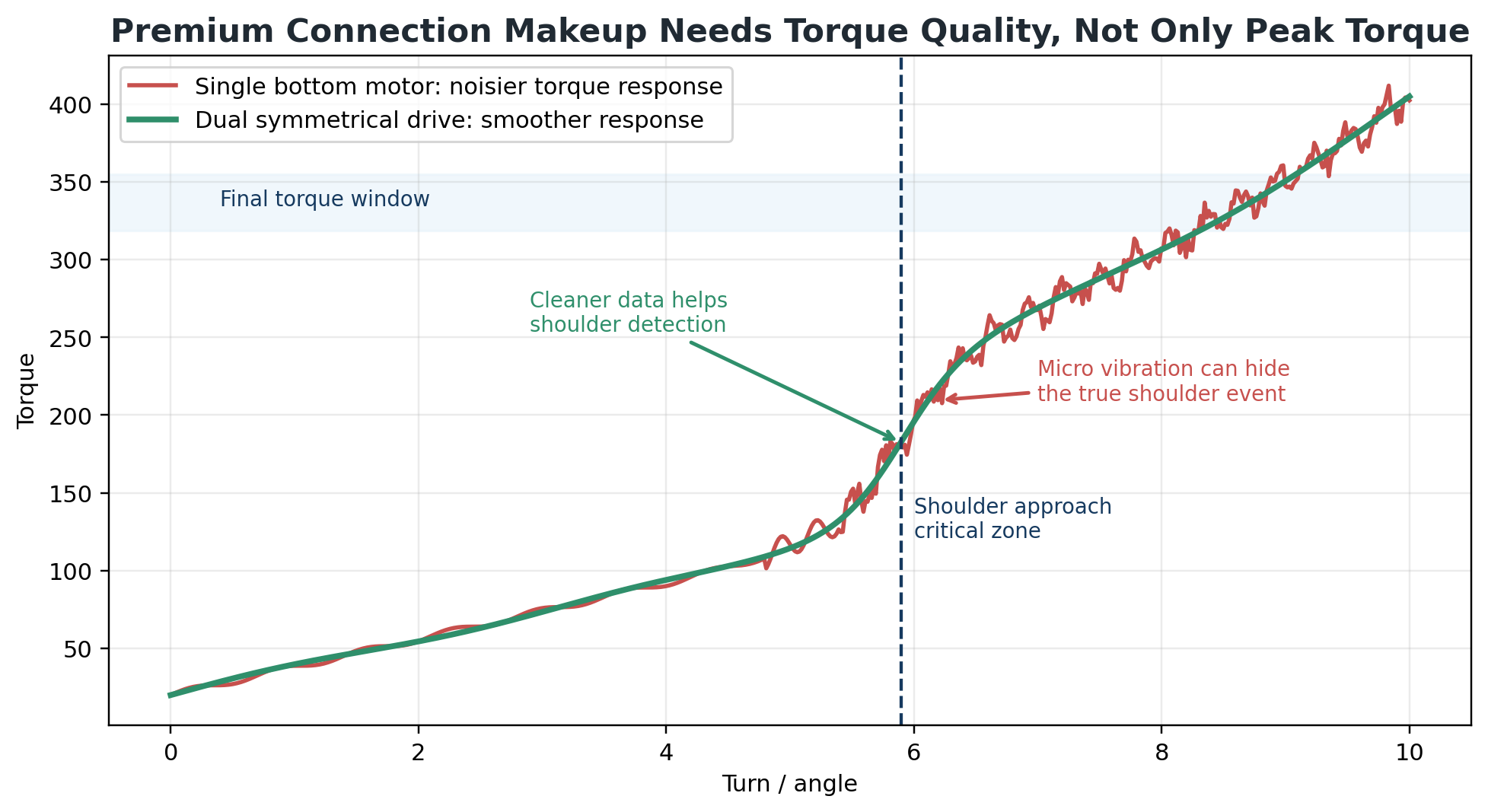
Figure 8. Premium connection makeup needs torque quality and clear shoulder response, not only peak torque.
| Comparison item | Single bottom motor | Lower dual-motor | GALIP balanced left/right dual drive |
|---|---|---|---|
| Torque stability | More ripple risk at high torque and low RPM. | Improved because load is split, but still depends on reaction balance. | Designed for smoother torque rise and lower mechanical signal noise. |
| Shoulder detection | Mechanical noise can hide the true shoulder slope change. | Usually better than one motor, but still not ideal if lower-biased. | Clearer slope transition supports more confident shoulder recognition. |
| Report quality | Curve may need more filtering and explanation. | Curve quality can be acceptable but design-dependent. | Cleaner raw data improves customer confidence in the report. |
5. Why premium thread systems are sensitive to small instabilities
Premium threads are designed around controlled contact. Thread flanks, torque shoulders, and metal-to-metal sealing surfaces must reach the correct condition without galling, over-torque, under-torque, or asymmetric loading. A bucking unit drive structure that introduces noise into the make-up event creates real failure modes — many of which we have catalogued in our broader premium thread connection failures checklist, alongside the operator habits in our CRA connection handling guide.
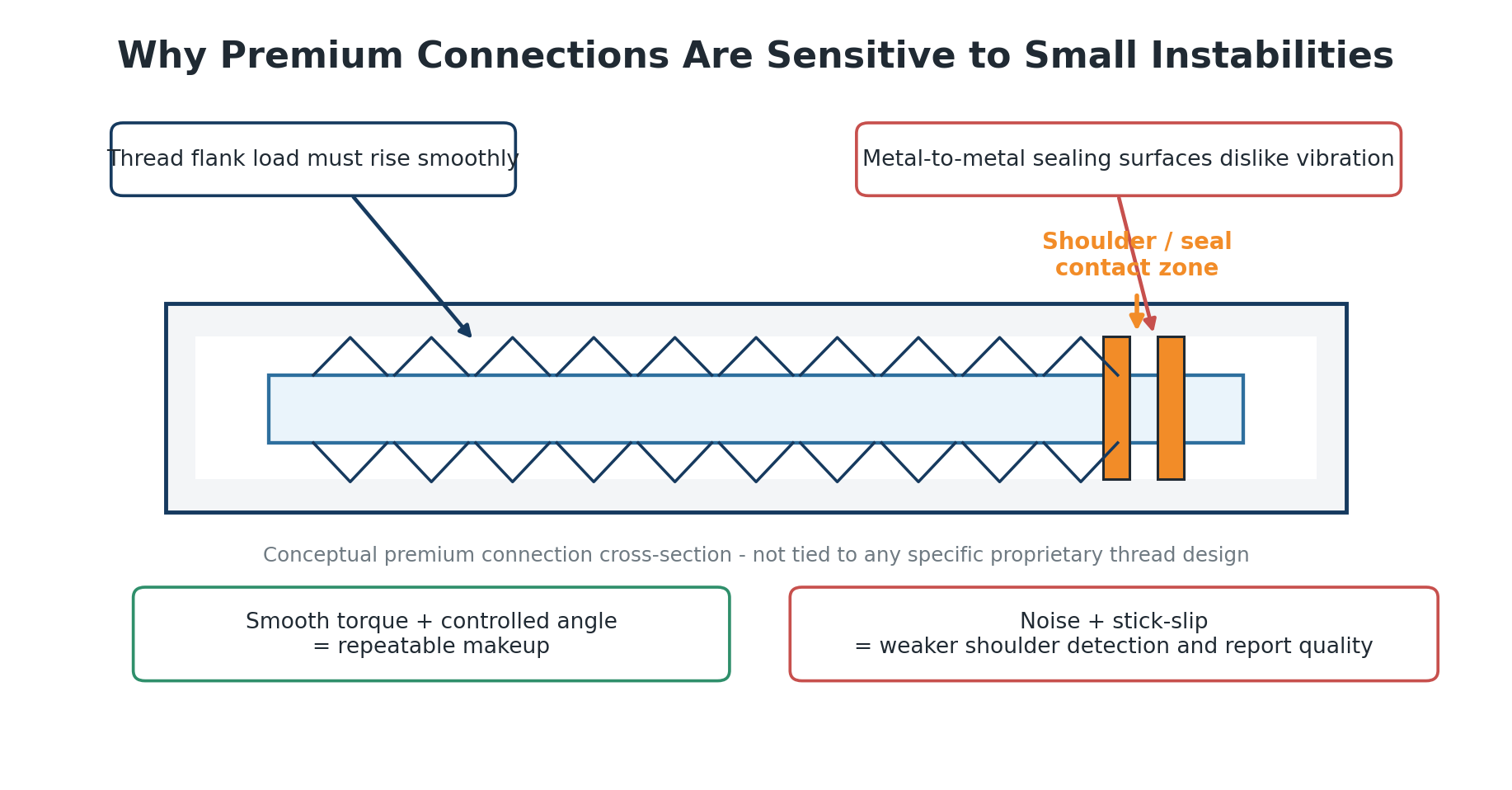
Figure 9. Premium connections are sensitive to vibration, stick-slip, unclear shoulder detection, and poor torque-turn quality.
- Poorer torque stability: the final torque may be reached, but the path to reach it may be unstable.
- Micro vibration during shoulder approach: small impacts or oscillations can occur exactly when smooth contact is required.
- Worse torque-turn curve quality: the graph can show ripple, noise, or an unclear slope change.
- Less accurate shoulder detection: mechanical noise can hide the real shoulder event.
- Higher stick-slip tendency: elastic wind-up and release can create sudden movement instead of controlled rotation.
6. Why GALIP’s bucking unit drive structure is better suited than price-focused units
Our advantage is not based on one feature alone. It is based on a complete premium-connection philosophy: balanced mechanical drive, rigid spindle support, low-backlash transmission, controlled hydraulic delivery, and a measurement chain designed to support an auditable torque-turn report. The full design intent is summarized on the GALIP bucking unit product page, with the complementary breakout unit covered separately.
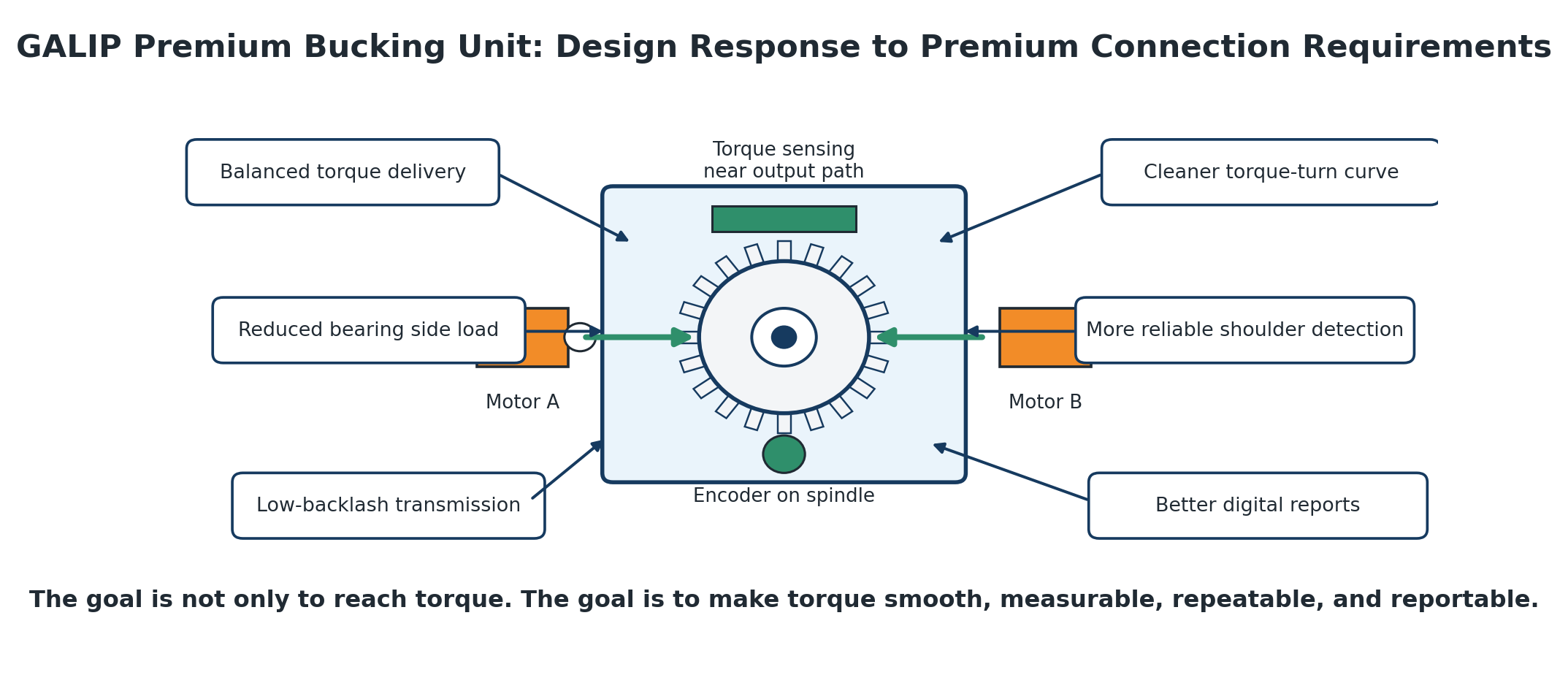
Figure 10. GALIP design response: the goal is not only to reach torque, but to make torque smooth, measurable, repeatable, and reportable.
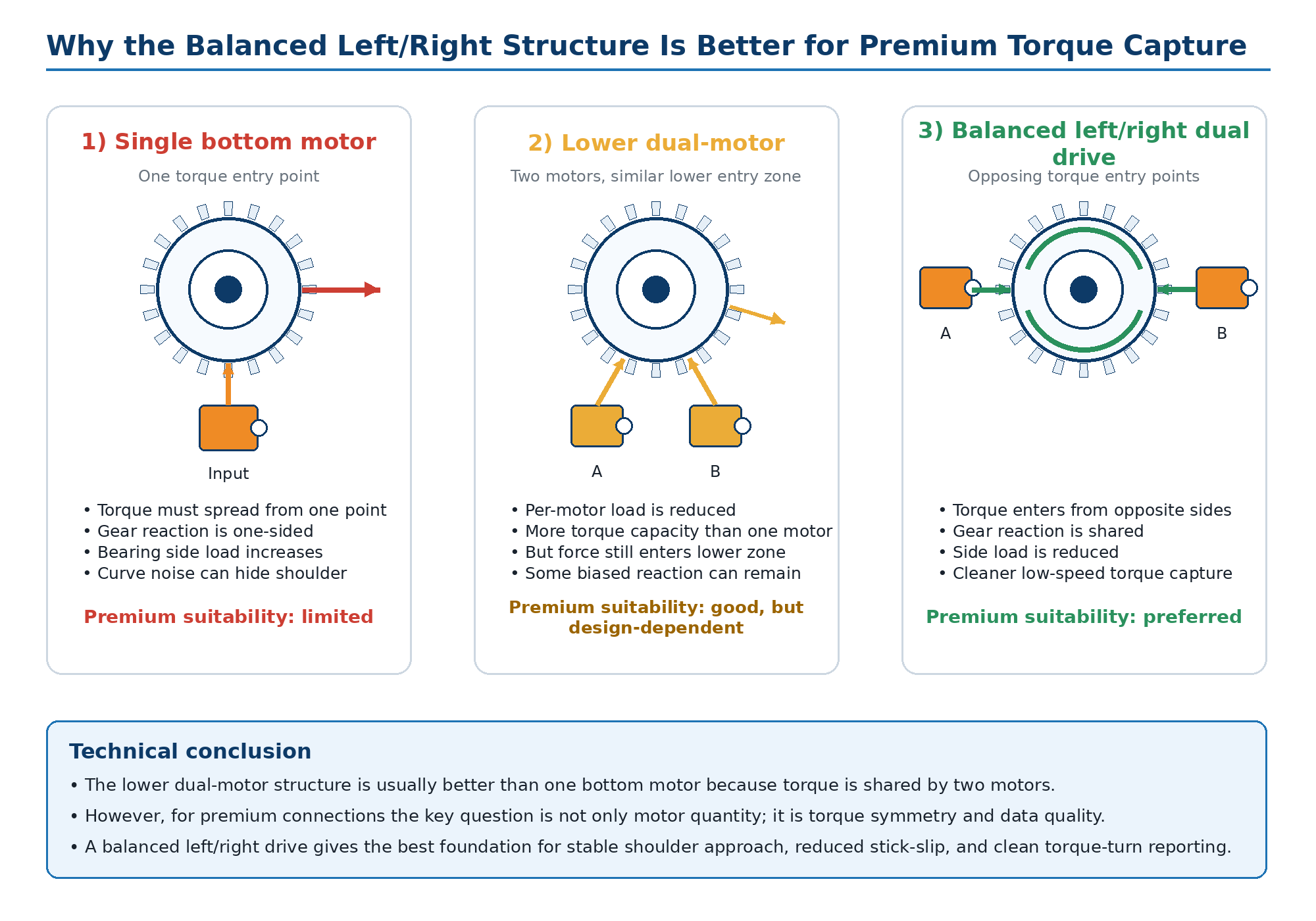
Figure 11. GALIP’s balanced left/right dual drive targets torque quality, not only motor quantity.
6.1 Balanced drive geometry
Compared with a single bottom motor, GALIP’s balanced left/right structure reduces the concentration of torque input. Compared with a lower dual-motor structure, it does more than share power: it balances where the torque enters the spindle. This produces a more symmetrical mechanical load path, lower net side reaction, and a cleaner foundation for shoulder detection and torque-turn capture.
6.2 Rigid spindle, bearing support, and low-backlash transmission
A premium bucking unit must control elastic deformation. A stronger spindle, properly supported bearing arrangement, and low-backlash transmission reduce twist, vibration, and delayed response. This helps preserve the integrity of the torque-turn signal exactly when the connection is most sensitive — during the shoulder approach. The same logic informs our non-marking jaw gripping system: balanced grip preserves the signal as much as balanced drive does.
6.3 Torque and angle capture designed for premium reports
Premium customers need documentation. GALIP’s bucking unit drive structure is designed to support torque-turn capture, shoulder detection, final torque verification, and report generation. This gives the customer a defendable record, supports witness inspections, and aligns with the kind of QA workflow described in our guide on connection traceability for oilfield operations.
6.4 Built to compete on quality, not only price
Many bucking unit suppliers compete mainly on machine size, motor count, maximum torque, and price. GALIP’s approach is different. We focus on the details that premium customers notice after installation: how smooth the torque rise is, how clean the shoulder event looks, how repeatable the report is across hundreds of joints, and how predictable the bearing and gearbox behavior remains across long service intervals. Buyers thinking about capacity, tooling, and ROI for service contracts often weigh exactly these characteristics first.
7. Customer benefits, ranked by bucking unit drive structure
| Comparison item | Single bottom motor | Lower dual-motor | GALIP balanced left/right dual drive |
|---|---|---|---|
| Premium makeup confidence | Basic solution for simpler work. | Better torque capacity, but still structure-dependent. | Smoother makeup behavior and cleaner shoulder response. |
| Torque-turn capture | More affected by mechanical ripple. | Improved but not automatically premium-grade. | Designed for cleaner raw data and better report confidence. |
| Machine life | Higher localized bearing/gearbox stress risk. | Reduced motor stress but possible lower-zone reaction concentration. | More balanced bearing and gearbox loading. |
| Sales value | Low price, basic function. | Intermediate upgrade from one motor. | Premium-positioned machine for customers who care about data, repeatability, and connection quality. |
8. Suggested sales message for the bucking unit drive structure choice
This message is effective because it shifts the customer conversation away from simple price and motor-count comparison. Instead of asking only “What is the maximum torque?” the customer starts asking the questions that actually matter for premium thread programs — the same questions covered in our bucking unit selection guide and specification reading guide:
- Is the torque delivery smooth enough for premium makeup?
- Is the drive structure balanced or still lower-biased?
- Can the system detect the shoulder with confidence?
- Can the unit generate a clean torque-turn report?
- Will the machine remain accurate and stable after long-term service?
9. Final recommendation on bucking unit drive structure
For general API connections — for example casing made to API standards without premium-thread sealing requirements — any of the three structures may be acceptable depending on price, torque range, and maintenance requirements. For premium connection work, the recommended ranking of bucking unit drive structure is clear:
- Best: GALIP balanced center-line left/right dual-drive structure — strongest foundation for torque quality, torque-turn capture, and shoulder detection.
- Good middle option: lower dual-motor structure — better than a single bottom motor for power sharing, but still design-dependent for premium data quality.
- Basic option: single bottom motor — simple and economical, but higher risk of asymmetric load path and noisy torque-turn response under high torque.
The lower dual-motor structure is not a bad design. It is genuinely better than a single-bottom motor for power sharing. But for customers who care about premium connection makeup, shoulder detection, and report defensibility, GALIP’s balanced left/right structure is the more complete answer — and the one we recommend for shops handling VAM, TenarisHydril, and other premium thread families. Buyers who want a final cross-check before specifying can review the trade-offs in our rotational vs traditional decision matrix and the throughput perspective in our bucking unit throughput guide.
10. Frequently asked questions about bucking unit drive structure
What is a bucking unit drive structure and why does it matter?
A bucking unit drive structure is the mechanical arrangement that delivers torque from the hydraulic motors to the spindle that rotates the pipe. It matters because where torque enters the spindle — not only how much — controls torque smoothness, side reaction, vibration, and torque-turn data quality. For premium connections, drive structure is often the single biggest factor separating a passable bucking unit from a premium-grade one.
Is a dual-motor bucking unit always better than a single-motor one?
For raw torque capacity and motor stress, yes — a lower dual-motor structure is generally better than a single bottom motor. For premium-connection torque-turn capture, not necessarily. If both motors still apply torque from the same lower zone, the structure remains bottom-biased and inherits many of the same signal-quality limitations as a single-motor design.
What makes GALIP’s balanced left/right drive structure different?
GALIP’s balanced center-line left/right dual drive places the torque-input points on opposing sides of the spindle. This reduces net side reaction, distributes bearing load more evenly, and produces a more symmetrical mechanical load path. The result is smoother low-speed rotation, cleaner shoulder slope changes in the torque-turn graph, and a torque-turn report that is easier for the customer to defend.
How does drive structure affect torque-turn graph quality?
The drive structure creates the raw mechanical signal that the torque-turn graph records. Vibration, side load, backlash, and stick-slip all degrade that signal. A balanced drive structure produces a cleaner raw signal, which means clearer slope changes at the shoulder, less noise across the curve, and more accurate shoulder detection without aggressive filtering. See our torque-turn graph interpretation guide for the operator-side reading.
Does the bucking unit drive structure affect bearing life?
Yes. Concentrated lower-drive structures load bearings asymmetrically — one side carries more reaction force than the other. Over thousands of make-up cycles, this accelerates wear on the loaded side, can change backlash behavior, and shortens practical service intervals. A balanced left/right drive distributes the reaction across the housing, reducing peak bearing load and extending the mechanical chain’s reliable service life.
Which bucking unit drive structure should I specify for VAM and Tenaris connections?
For VAM, TenarisHydril, and other premium families that depend on tight shoulder and seal tolerances, a balanced left/right dual-drive structure (such as GALIP’s) is the safest specification. Lower dual-motor structures can work for less demanding premium families, but the buyer must verify drive symmetry, gearbox stiffness, and torque-turn signal quality before committing. See our VAM and Tenaris guide for connection-specific rules.
Can I retrofit a single-motor bucking unit to a balanced drive structure?
In most cases no — the drive structure is a foundational mechanical decision that involves the frame, gearbox layout, bearing arrangement, and spindle support. Adding a second motor to a single-motor frame does not change the load path direction. If torque-turn quality is the goal, replacing the unit with one designed around a balanced drive structure is the realistic option.
11. Trademark and procedure note
VAM, TenarisHydril, Hunting, FOX, TMK, JFE and other names are used only as examples of premium connection systems. Actual makeup procedure, torque window, acceptance criteria, and certification status must always follow the connection licensor’s approved documentation and the customer’s specification. This article is a structural and design-philosophy comparison — not a substitute for connection-specific make-up instructions.
Talk to GALIP about your premium connection program
If you are specifying a new bucking unit for VAM, TenarisHydril, Hunting, FOX, TMK, JFE or other premium connections — and torque quality, shoulder detection, and torque-turn report quality matter more than price alone — talk to our engineering team about the balanced center-line left/right dual-drive bucking unit drive structure option.
Expert Consultation
Need more information on optimizing your equipment performance? Our engineering team is available for technical consultations.
Request a Quote
Tell us about your requirements and our engineering team will prepare a detailed proposal with specifications, pricing, and delivery timeline.
