
Bucking Unit, Breakout Unit & Premium Connection Technical Guides
Practical, field-tested technical content from Galip Equipment’s engineering team. The articles below cover bucking unit operation, torque-turn capture, premium connection make-up (VAM, TenarisHydril, Hunting, FOX, TMK, JFE), breakout unit safety, drilling motor testing, and the workshop QA workflows that keep premium-thread programs auditable. Written for supervisors, QA managers, operators and buyers specifying oilfield make-up equipment.
Technical Articles, Guides, and Field Notes
Browse recent technical articles, product guidance, and field notes covering premium connections, torque systems, drilling tools, and trenchless operations.
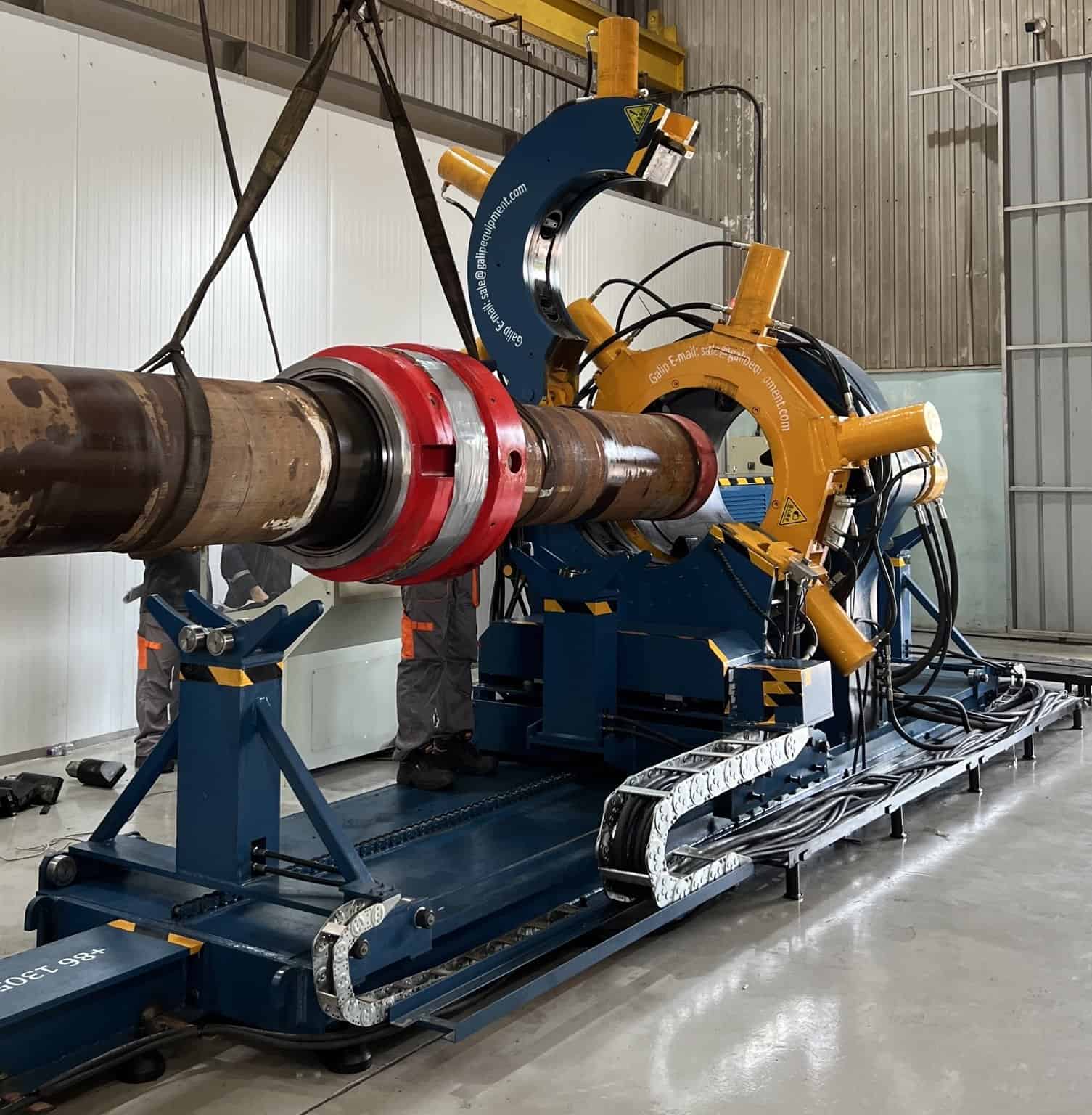 Directional Drilling: How a Well Is Steered, and Which of Its Tools Are Made Up Before the RigMost wells drilled today are steered. This page explains the directional well profile, how a mud motor with a bent housing and…Read Article
 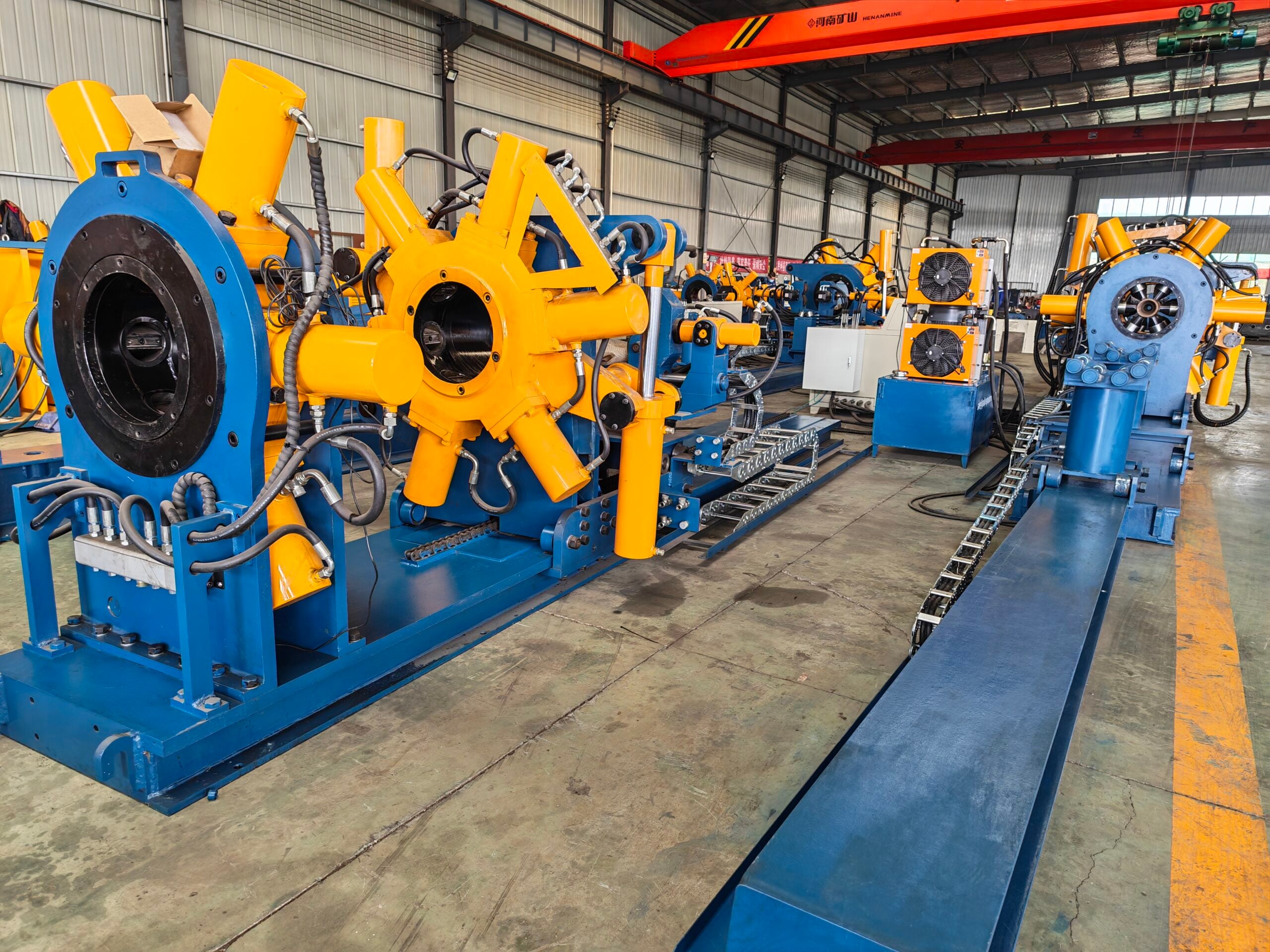 Well Cementing: How a Primary Cement Job Works, and the Shoe Track Made Up Before the Casing Is RunCement is the barrier element nobody sees. This page explains what a primary cement job does, the six steps it follows, the…Read Article
 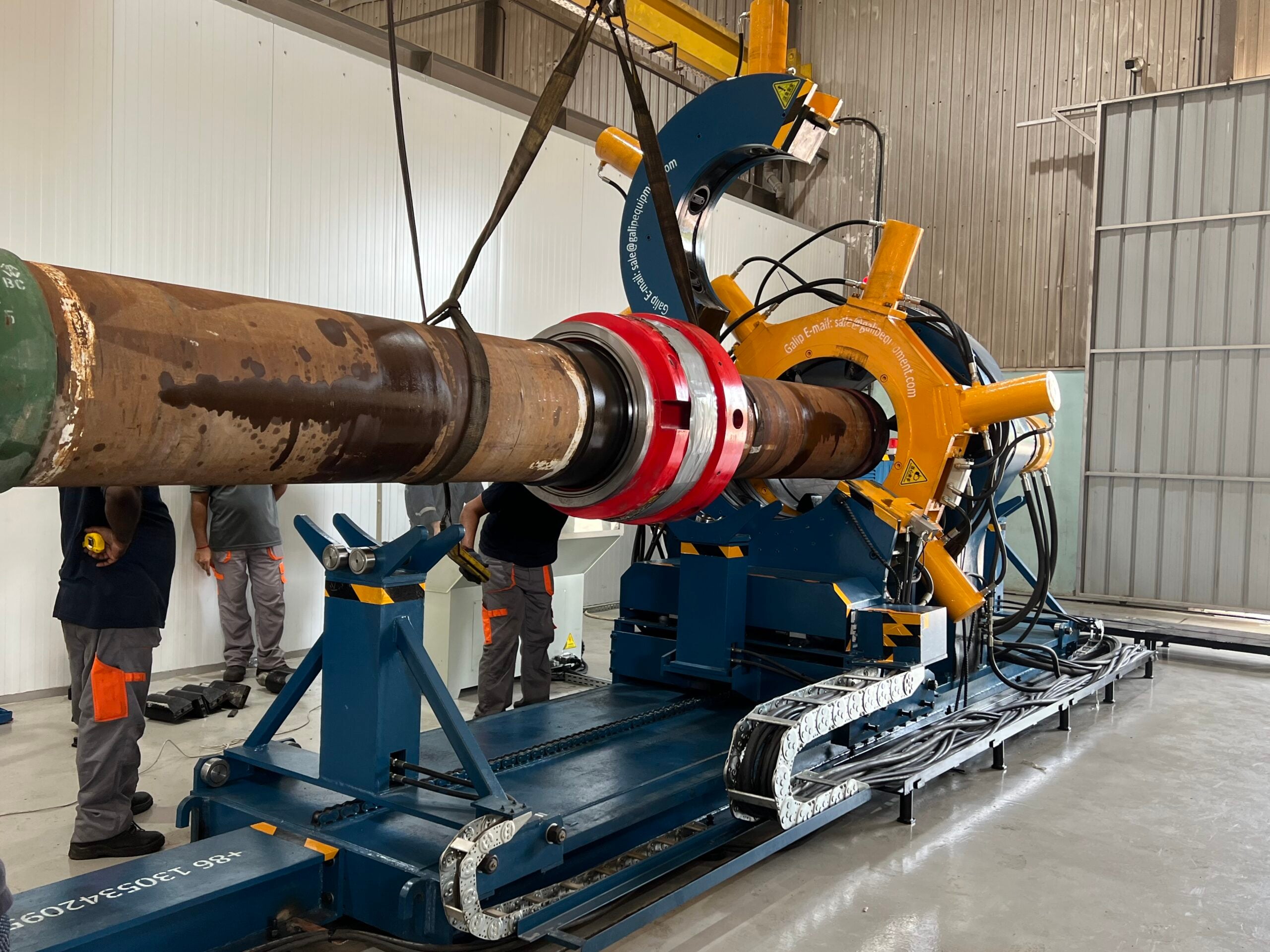 Well Integrity: The Two Barriers, What Actually Fails, and Why the Make-Up Record Is Part of ItWell integrity is the discipline that keeps a well from leaking for its whole life. This page explains the two-barrier rule and…Read Article
 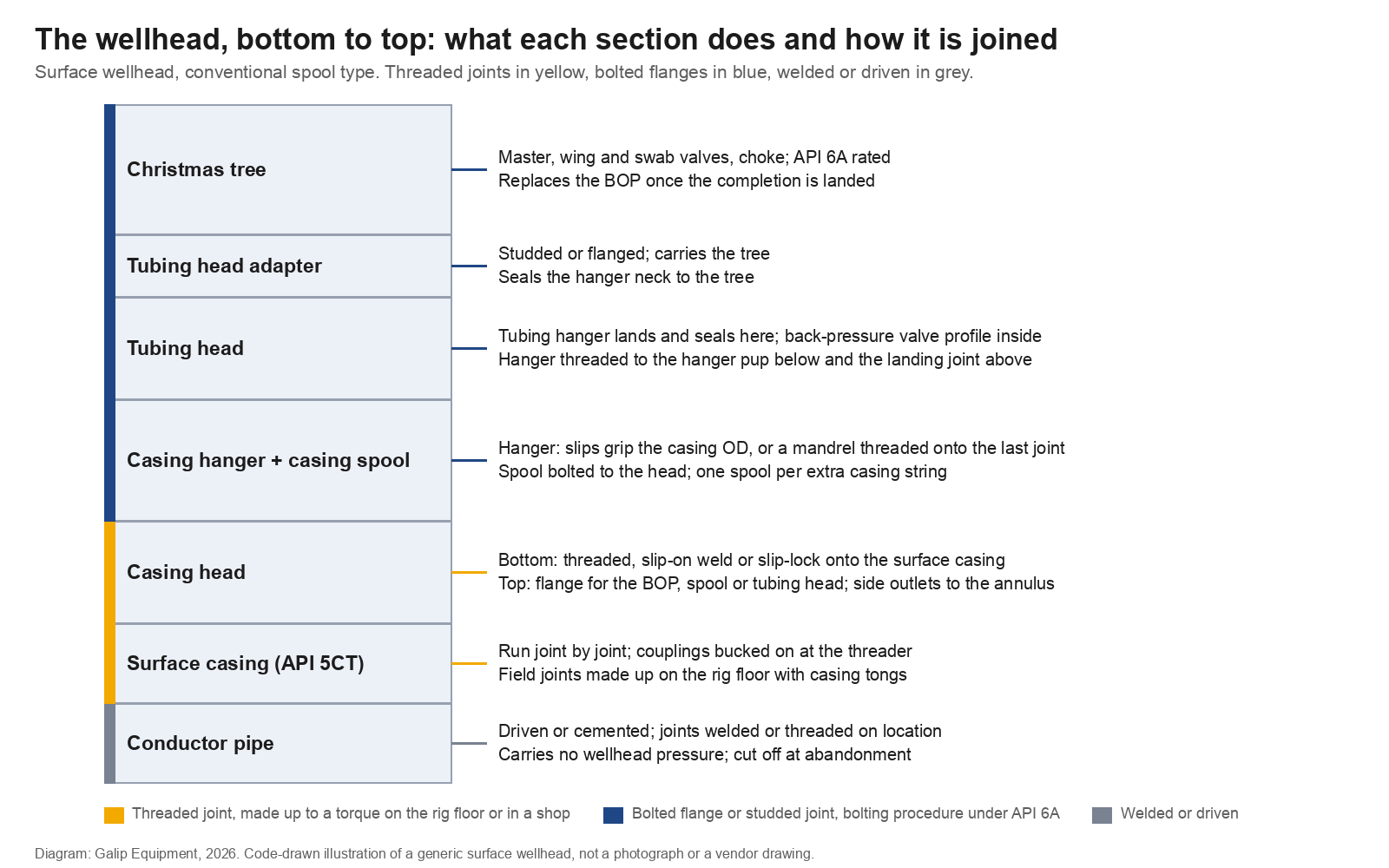 The Wellhead in Oil and Gas: Its Components, the Christmas Tree, and Where Threads Meet FlangesThe wellhead is where the threaded steel inside a well meets the bolted steel on top of it. This page walks the…Read Article
 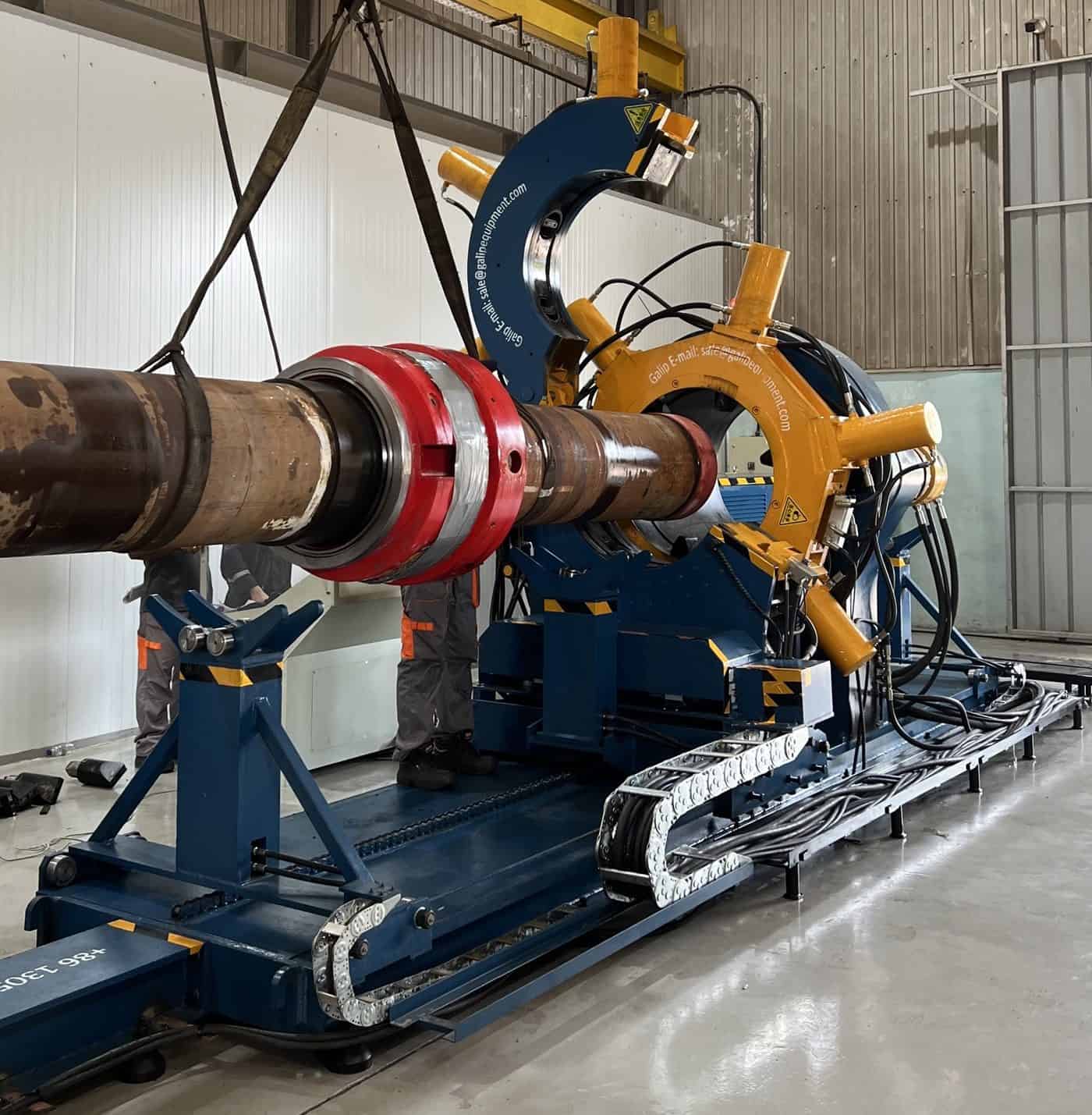 Plug and Abandonment: What Happens to a Well at the End, and to the Pipe That Comes Out of ItA well that can no longer pay for itself is plugged and abandoned. This page explains the three phases of a permanent…Read Article
  Artificial Lift: Rod Pumps, ESPs and Gas Lift, and What Each Sends to the WorkshopWhen a well stops flowing on its own, artificial lift keeps it producing. This page explains the five common methods, how each…Read Article
 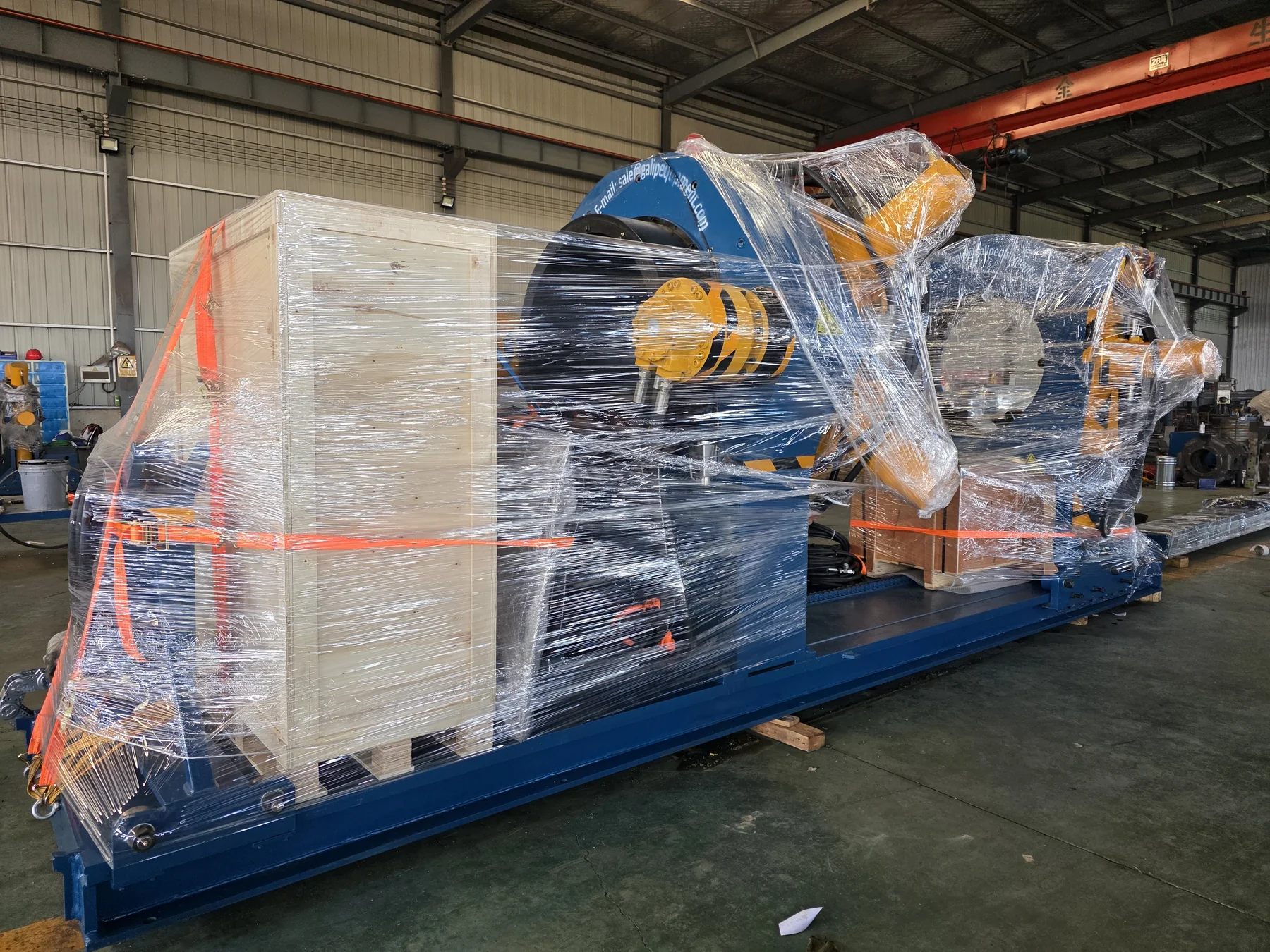 What Do Tubular Running Services Do, and What Do They Leave for the Yard?Tubular running services are the third-party crew and equipment that run casing and tubing into a well. This page lists the six…Read Article
  What Is a Drill String, and Which of Its Connections Are Made Up Before the Rig?The drill string is a threaded column from the bit to the top drive. This page names its eight component groups, explains…Read Article
 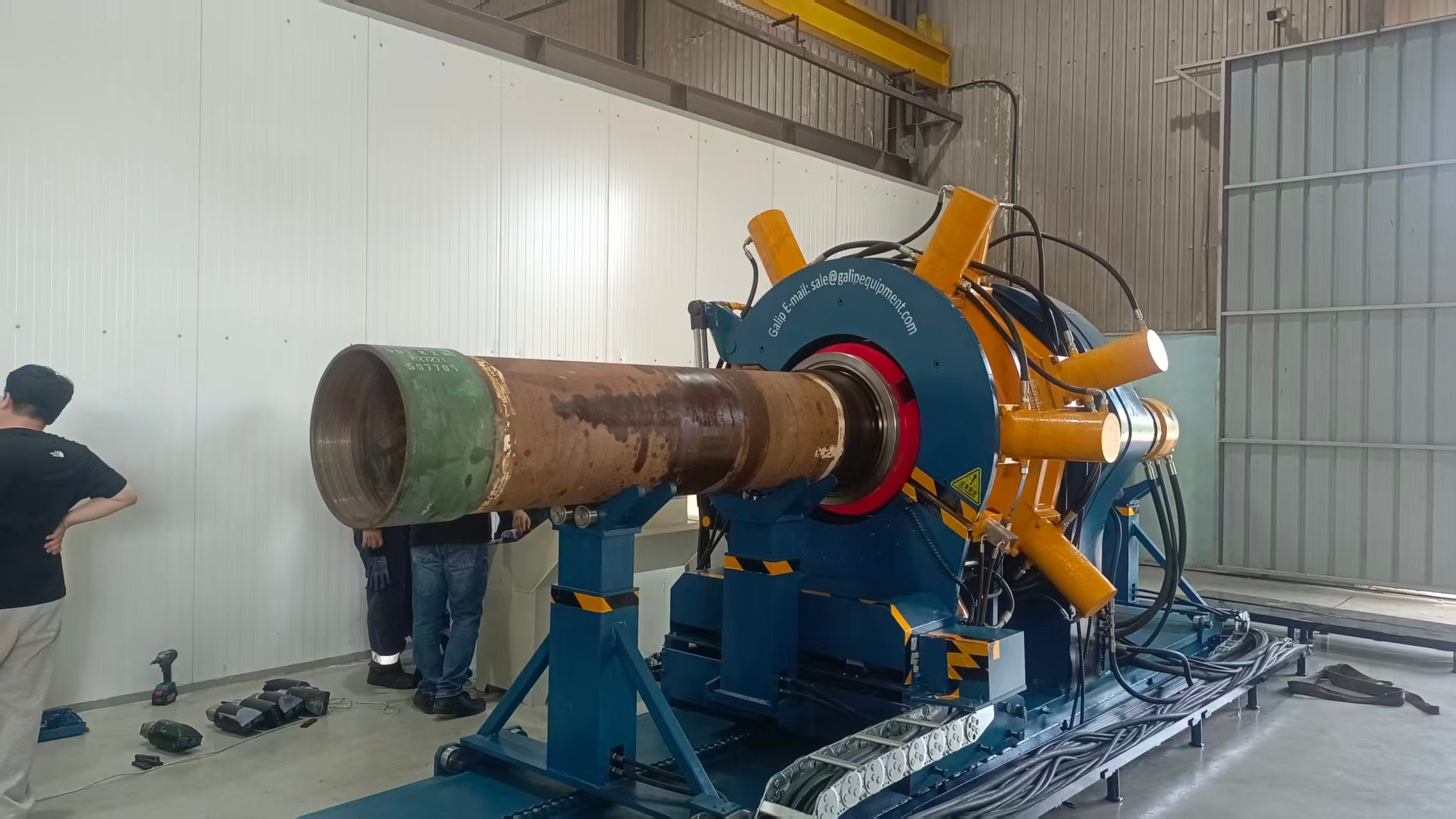 Downhole Tools: What They Are, Who Owns Them, and How They Are Made Up and TestedEverything that goes into a well on a string is a downhole tool, and every one of them is a threaded assembly…Read Article
 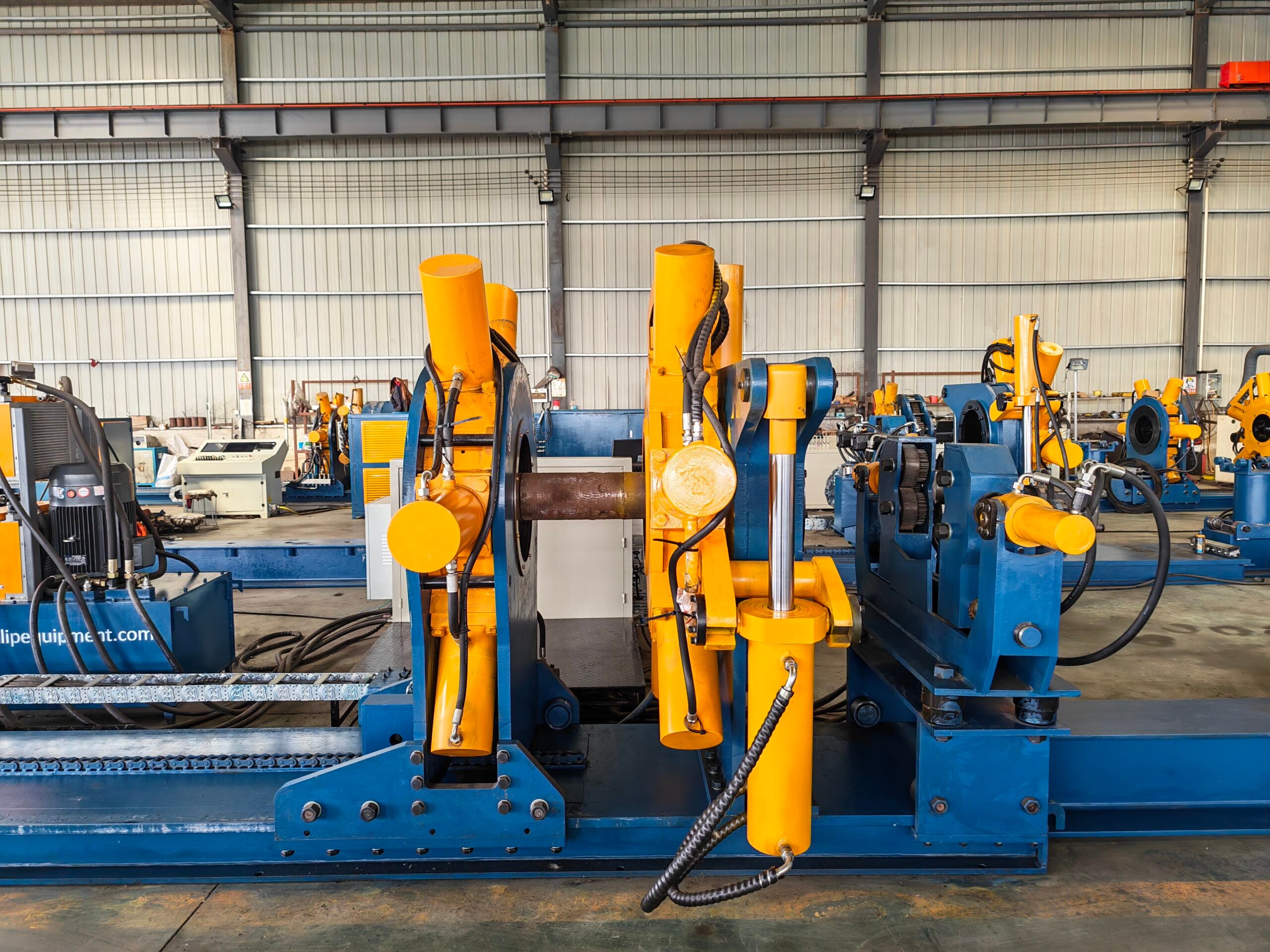 What Is Well Completion, and Which of Its Connections Are Made Up in a Shop?Completion turns a cased hole into a producing well. This page walks the completion string from the tubing hanger to the tailpipe,…Read Article
 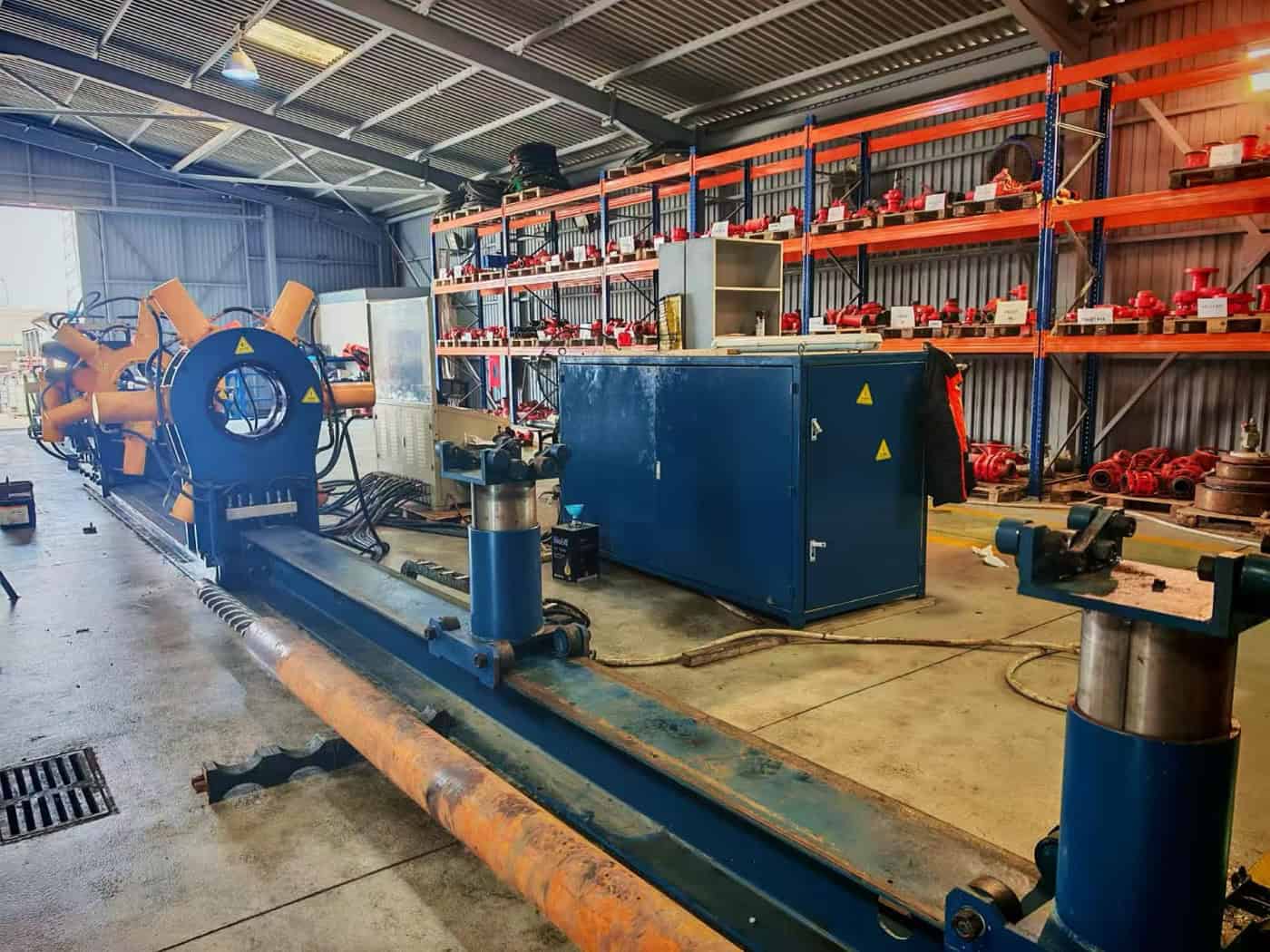 Workover Rig Operations: What Comes Out of the Well, and Where It Goes NextA workover rig is a small drilling rig that comes back to a producing well to pull and replace what is in…Read Article
 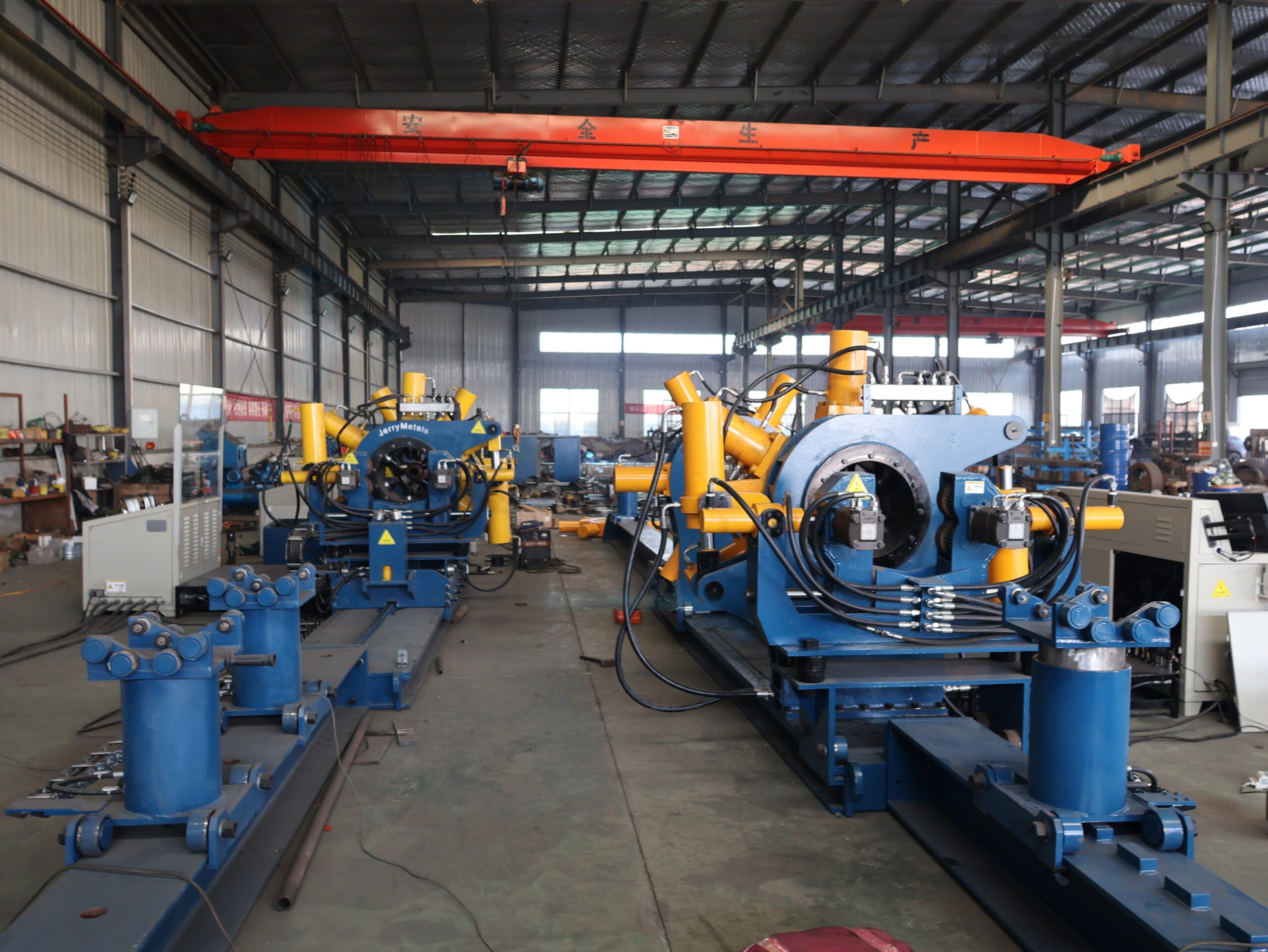 Downstream Oil and Gas: Why Torque Control Moves From Threads to FlangesRefining and petrochemicals read through their joints: welded spools, bolted flanges and small-bore threads, what torque control means when the joint is…Read Article
 Keep the Research Flow Moving
Use the archive to continue comparing equipment, reviewing technical guidance, or moving into a direct inquiry.
Read more articles
Keep exploring the archive when you need more maintenance guidance, QA references, or application-specific detail.
Compare equipment lines
Move into the product catalog when the article has already narrowed the likely equipment class.
Open the inquiry path
Use the contact route once the reader has enough context to send specifications or request a quotation.