
Downhole Tool Recovery: The 5 Decisions That Run a Fishing Job
How downhole tool recovery actually runs: locating the stuck point, choosing overshot or spear, jarring mechanics, and the daily fish-or-sidetrack arithmetic.
Downhole tool recovery, called fishing, is the retrieval of stuck or dropped equipment from a wellbore: locate the fish, dress its top, latch it with an overshot or spear, then work it free with jarring and controlled pull. Whether to fish at all is an economic decision, weighed daily against the cost of sidetracking past the fish.
At a glance
| What the work covers | Retrieving stuck drill string, dropped tools, parted tubing, wireline and junk from the hole — anything blocking the well that cannot simply be pulled |
| Who runs it | A fishing supervisor with a rented toolstring, on the operator’s rig time. The rig crew works the pipe; the fishing hand makes the calls |
| The five decisions | Is the fish worth catching · where is it stuck · catch it outside or inside · how hard and how long to jar · when to stop fishing and sidetrack |
| Where the money goes | Rig day rate while fishing, tool rental, and the risk of turning one fish into two. The tools are cheap next to the time |
| Decision this page supports | Reading a fishing proposal intelligently, and knowing which questions to ask before and during the job |
What counts as a fish
The word covers more than a parted drill string. A fish is anything in the hole that stops the well going forward: a string stuck by differential pressure against a permeable zone, a bottom hole assembly cemented in place by settled cuttings, a twisted-off connection with the lower half still downhole, a dropped hand tool, parted wireline, a packer that will not release, or cones shed by a worn roller bit. Each has its own recovery method, and the first discipline of the trade is naming the problem precisely before running anything in the hole.
The distinction that matters most at the start: is the string stuck or is it parted? A stuck string is still connected to surface, which means pull, torque and circulation can all reach the stuck point. A parted string leaves a fish with an open top somewhere down the hole, and everything then depends on the condition of that top — a clean break can be caught directly; a flared, splintered or bell-mouthed top has to be dressed with a mill before any catch tool will hold.
First, find out where and why it is stuck
Jarring at a guess wastes rig time and can make the fish worse. Two pieces of information shape the whole job.
| Question | How it is answered | What the answer changes |
|---|---|---|
| Where is the stuck point? | A free-point survey: stretch and torque measurements, or a wireline free-point tool, locate the deepest point at which pipe still moves freely | Sets where to back off the string, and how much free pipe is available to stretch as a jarring spring |
| Why is it stuck? | Circumstances at the moment of sticking: was the string moving, was circulation lost, did overpull build gradually or arrive suddenly | Differential sticking, mechanical sticking and pack-off each respond to different first moves — and the wrong first move can convert a recoverable stick into a permanent one |
Differential sticking usually calls for reducing mud weight or spotting a release fluid before any serious pull. A pack-off wants circulation restored first, because pulling into settled cuttings compacts them. Mechanical sticking — a key seat, an undergauge hole, a ledge — responds to working the string in the direction opposite to the one it was moving when it stuck. The diagnosis is cheap. Skipping it is not.
The toolstring: what each piece does
A fishing assembly is built for the specific fish, but the roles are standard. What follows is the vocabulary a buyer needs to read a proposal, not a running procedure — the fishing supervisor owns that.
| Tool | What it does | What to confirm before it runs |
|---|---|---|
| Overshot | The workhorse external catch: slips over the top of the fish and grips its outside diameter with a tapered grapple | Grapple sized to the actual fish OD, not the nominal pipe size — a worn or swollen fish top changes the number |
| Spear | Internal catch: enters the fish bore and grips from inside. Used when the outside is inaccessible or the annulus is too tight for an overshot | That the fish bore is clear and its wall will take the radial load without splitting |
| Fishing jar | Delivers a sharp upward impact at the fish after the string is stretched against it — the hammer of the operation | Bench-tested trip load with a certificate, before it leaves the shop. An untested jar is a guess at the exact moment guessing is most expensive — the same surface-proof rule that governs coiled tubing toolstrings |
| Intensifier / accelerator | Stores energy above the jar and sharpens the blow, compensating for shallow depth or heavy drill collars | Placement in the string per the tool maker’s tables — position, not preference |
| Bumper sub | Delivers downward blows and gives the string room to move; used to jar down when the fish must be driven off a ledge or a latch released | Stroke length against the movement the plan actually needs |
| Mill | Dresses a damaged fish top flat, or grinds away junk that cannot be caught | That milling debris is being circulated out and caught at surface, not left to become the next fish |
| Washover pipe | A large-bore pipe run over the outside of the fish to clear packed cuttings or cement from around it before a catch | Annular clearance both outside the washpipe and over the fish — two tight fits at once |
| Safety joint | A deliberately weak, releasable connection above the catch tool, so the fishing string itself can let go if the fish will not come | That it is actually in the string. Its absence is how one fish becomes two |
| Junk basket / magnet | Recovers small debris: cones, slips, hand tools, milled cuttings | Run before a bit goes back to bottom, not after the junk has been drilled on |
Jarring: how the blow actually works
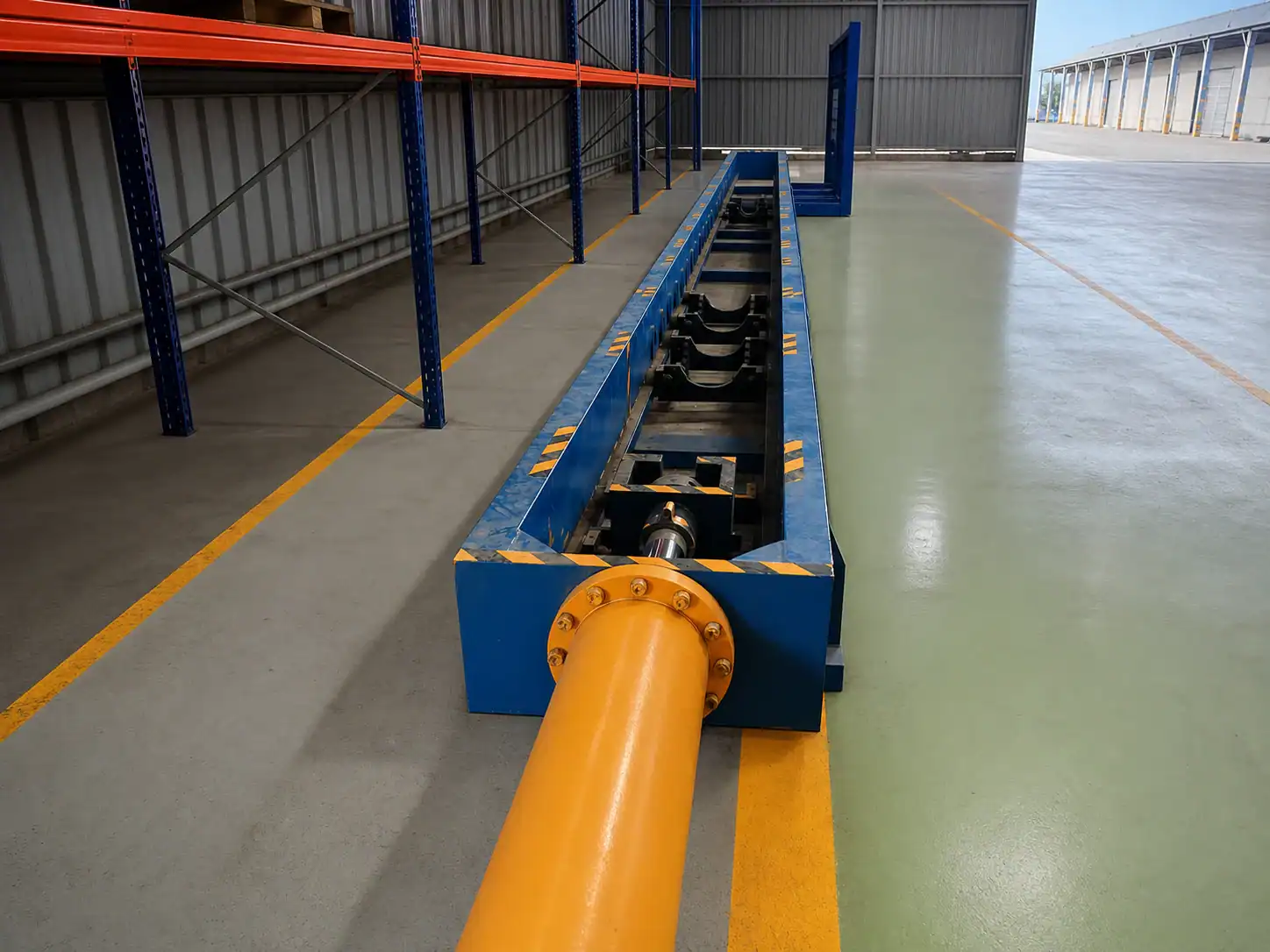
A fishing jar is not a hammer swung from surface. The crew pulls the string into stretch against the latched fish, storing energy in the free pipe like a drawn spring. At a set overpull — the trip load — the jar releases, and the stored stretch snaps the hammer mass into the anvil. The impact arrives at the fish as a shock far greater than any static pull the derrick could apply.
Two numbers govern the blow. Impact is the peak force of the strike; impulse is how long the force acts. A sharp, high-impact blow breaks cement bonds and shakes a differentially stuck string; a longer impulse moves mass. The intensifier exists to shape this — at shallow depths there is too little free pipe to store useful stretch, so the accelerator stores it instead.
What matters commercially is that the trip load is a setting, chosen for the fish, and it drifts with wear and seal condition. The only way to know what a jar will actually do downhole is to fire it on a calibrated bench first and read the release load off a gauge or a logged trace. That proof-before-use step is the same discipline as setting and verifying a jar trip load in the shop, and the reason service companies keep a jar test bench in the base rather than trusting a tool that has been on a shelf.
When fishing is the wrong call
There is no honest universal answer to “how long should we fish” — anyone quoting a fixed number of days is not doing the arithmetic. The comparison runs daily, and it is unsentimental.
On one side: the cost of the fish itself (replacement value of the BHA, less whatever a partial recovery saves), plus each additional day of rig time spent fishing, plus the rental of the fishing string. On the other: the full cost of the alternative — setting a cement plug, sidetracking past the fish, and re-drilling the lost section. While expected fishing cost stays below the sidetrack, fishing continues. The moment the curves cross, stopping is the professional decision, not an admission of failure.
Three situations tilt the answer early. Cheap fish in expensive holes: junk of little value in a deep offshore well often is not worth a single day of fishing when a magnet run on the next trip may catch it. Expensive fish in cheap holes: a directional BHA with survey instruments justifies persistence. And any fish involving well control stops being an economic question at all — safety runs the schedule.
What goes wrong: the second fish
Most fishing disasters are additions. The classic errors compound an already bad situation, and every one of them is avoidable at the planning table.
| Failure | Possible contributing factors | What to verify first |
|---|---|---|
| Fishing string parts during jarring | Connections not made up to specification; fatigued tool joints; jarring loads above the string’s rating | That every connection in the fishing string was made up to the governing torque on a recording bucking unit — and inspected joints, not yard pipe. Seized or galled connections in the string are a warning, and connection seizure has causes worth reading before the job |
| Catch tool will not release a fish that will not come | No safety joint in the string; release mechanism untested; grapple over-set | The release procedure, rehearsed at surface, and the safety joint’s presence and rating |
| Jar fires at the wrong load, or not at all | Trip load drifted from seal wear; wrong setting for the fish; tool run straight from storage | A dated bench-test certificate for the specific serial number, per the jar bench-test procedure — not the model line’s brochure figure |
| Milling creates junk faster than it removes it | Wrong mill dressing for the material; no junk recovery runs between mills; cuttings not circulating out | Sample returns at the shakers — steel in the returns is progress; clean returns during milling mean the debris is staying downhole |
| Fish top damaged by the first catch attempt | Catch attempted on an undressed top; wrong grapple size scoring the fish | An impression block run when the top’s condition is uncertain — one cheap run that shapes every later choice |
After the catch: the part everyone skips
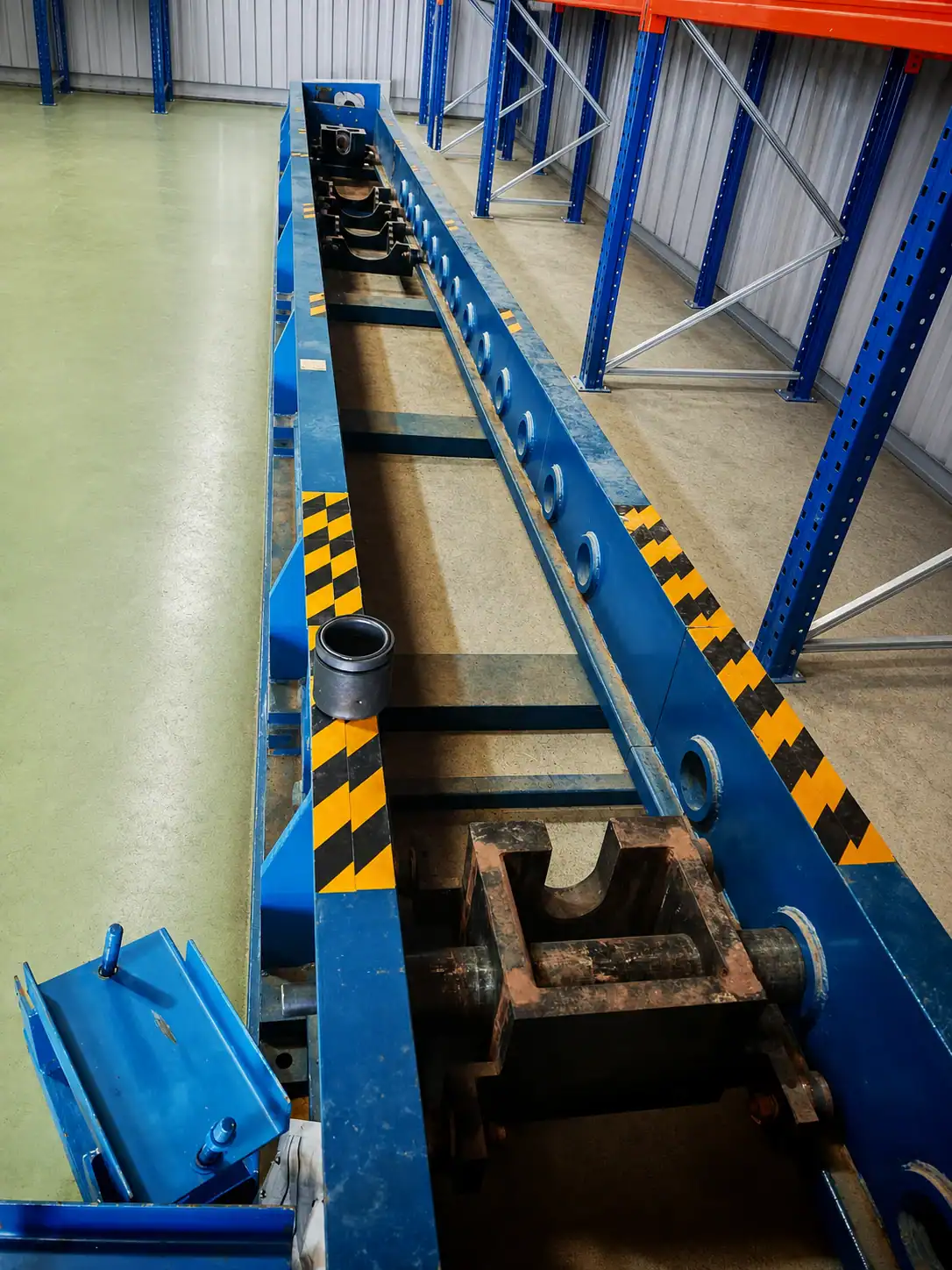
A recovered fish and a used fishing string both carry the job home with them. The connections that were jarred on deserve inspection before re-use — impact loading is exactly the duty that cracks tool joints already at the end of their fatigue life. The jar goes back to the bench to have its post-job trip load measured and its seals judged against the maintenance inspection points, because the next crew will trust the certificate, not the memory of this job. And the recovered tools themselves route through a controlled teardown — the workflow a downhole tool service center exists to run — before anything is declared fit to run again.
The paperwork matters more than it seems. A fishing job generates a record of what was run, what loads were applied and what came back; the service side generates test certificates on the tools. Operators award the next job to contractors whose records survive scrutiny. Keep both sets.
Frequently asked questions
What is downhole tool recovery?
It is the retrieval of stuck or lost equipment from a wellbore, known in the industry as fishing. The work covers locating the stuck point, dressing the top of the fish if damaged, catching it with an overshot or spear, and working it free with jarring, circulation and controlled pull.
What is the difference between an overshot and a spear?
An overshot catches the fish from outside, sliding over the top and gripping the outer diameter with a tapered grapple. A spear enters the bore and grips from inside. Overshots are preferred where the annulus allows, because the external grip is stronger and easier to release.
How does a fishing jar free a stuck tool?
The crew pulls the string into stretch against the latched fish, storing energy like a drawn spring. At the set trip load the jar releases and drives a hammer mass into an anvil, converting the stored stretch into a shock impact far greater than any static pull the rig could apply.
Why must a fishing jar be bench-tested before the job?
Because the trip load drifts with seal wear and service history, and the downhole blow cannot be observed. A calibrated bench firing proves the actual release load for that serial number and produces a certificate. Running an untested jar means discovering its condition at the fish, on rig time.
How long should a fishing operation continue?
Until the expected cost of one more day of fishing exceeds the cost of sidetracking past the fish. The comparison is run daily against rig rate, tool rental and the fish’s replacement value. There is no standard number of days; there is only the arithmetic, honestly updated.
What is a free-point survey?
A measurement locating the deepest point at which the stuck string still moves freely, made from surface stretch and torque readings or with a wireline tool. It tells the crew where the string is held, where to back off, and how much free pipe is available to stretch for jarring.
What is washover pipe used for?
Washover pipe is large-bore pipe run down over the outside of a stuck fish to clear the packed cuttings, barite or cement holding it. Once the annulus around the fish is washed clean, the fish can often be pulled with far less force, or caught cleanly where before it could not.
Equip the shop behind the fishing string
Galip does not run fishing jobs; we build the workshop equipment that stands behind them. If your base tests jars before they go out, or tears down and re-certifies recovered tools, send the job envelope: jar types and sizes in your fleet · maximum trip loads you need to verify · the tool OD range your shop handles · report format your customers require. Write to the contact page or sales@galipequipment.com for a specification against your actual fleet.
Before the fishing string goes in the hole: the checklist
- The fish named precisely: what it is, its top’s likely condition, its exact OD and ID from the tally, not from memory.
- Stuck point located by free-point survey before any jarring plan is set.
- Sticking mechanism diagnosed — differential, mechanical or pack-off — and the first move chosen accordingly.
- An impression block run if the fish top’s condition is in any doubt.
- Grapple or spear sized to the measured fish, with the release procedure rehearsed at surface.
- A safety joint in the string, rated and positioned above the catch tool.
- Bench-test certificate for the specific jar serial number, dated, with the trip load the plan assumes.
- Intensifier placement per the tool maker’s tables for the depth and collar weight.
- Every fishing-string connection made up to the governing torque, with the record kept.
- The daily fish-or-sidetrack arithmetic agreed with the operator before the job starts, not during it.
- Junk recovery runs scheduled between milling runs, with returns checked at the shakers.
- Post-job: jar retested on the bench, jarred connections inspected, records filed with the job.
Expert Consultation
Need more information on optimizing your equipment performance? Our engineering team is available for technical consultations.
Request a Quote
Tell us about your requirements and our engineering team will prepare a detailed proposal with specifications, pricing, and delivery timeline.
