
Drilling Jar Tester
Precision testing equipment for hydraulic and mechanical drilling jars. Ensures reliable jar performance before deployment.
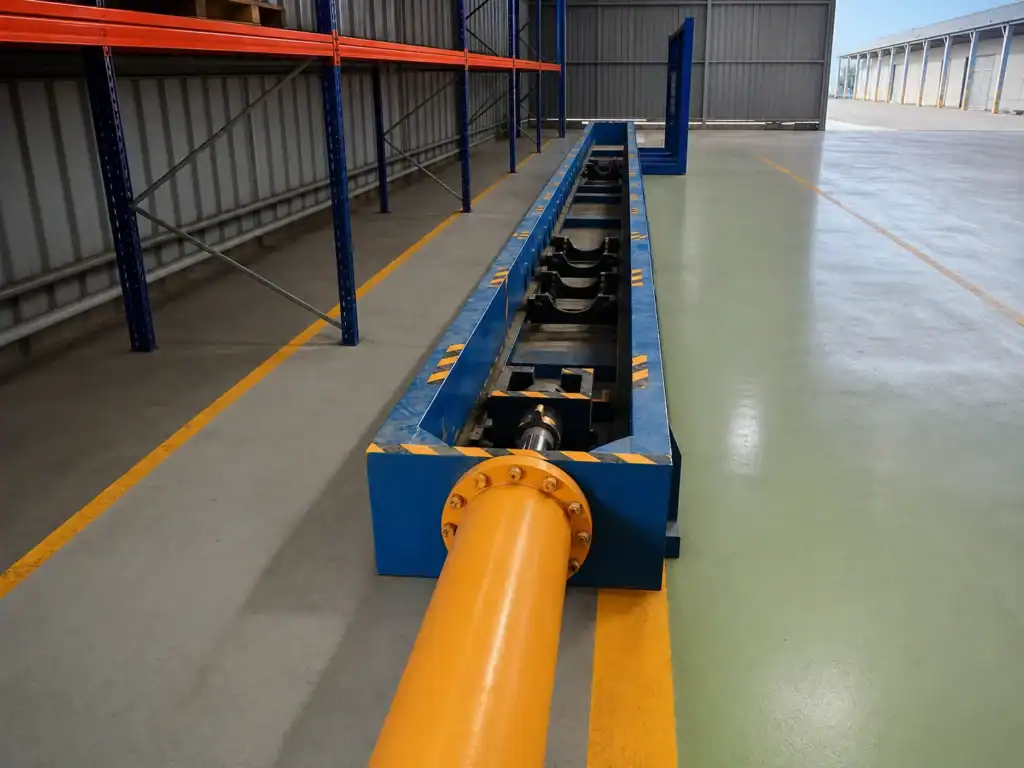
Precision Jar Verification & Testing
These units provide accurate verification of hydraulic delay times and mechanical tripping loads, preventing costly downhole failures. Automated cycling, real-time data capture, and comprehensive reporting ensure complete quality control before your tools enter the wellbore.
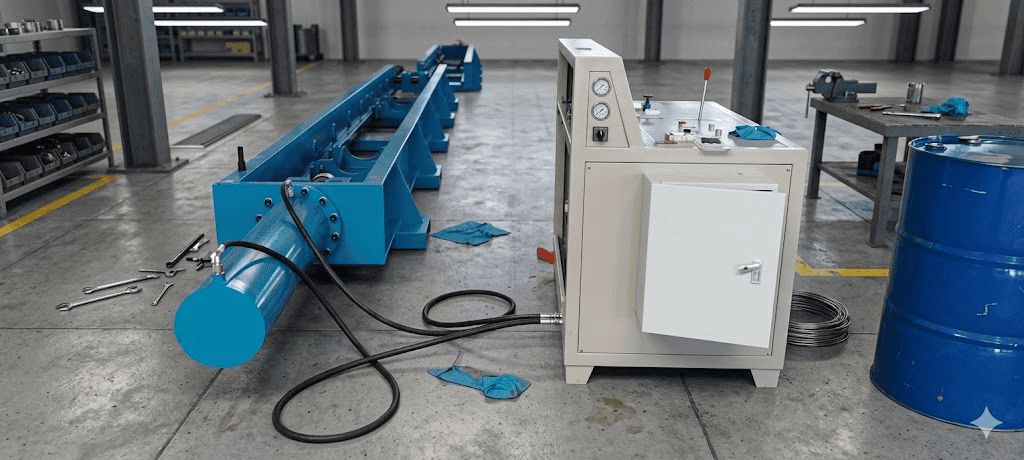
Jar Tester Technical Specifications
Engineered for accurate, repeatable testing with comprehensive data logging and reporting. Custom configurations are available for specialized jar types and testing protocols.
Detailed Technical Specifications
| Load CapacityCustomizable | Up to 500,000 lbs (2,224 kN) |
|---|---|
| Stroke LengthCustomizable | Up to 120 inches (3,048 mm) |
| Cycle Speed | Variable, programmable rate control |
| Test Types | Pull/push cycling, delay time verification |
| Torque Rating | Not applicable — this is an axial pull/push test stand; jar release (trip) load is the rated parameter |
| Displacement Resolution | +/-0.01 inch |
| Load Cell Type | High-precision digital strain gauge |
|---|---|
| Displacement Sensor | Configuration-specific; sensor model and certificate are documented in the FAT report. |
| Data Acquisition Rate | Up to 1,000 samples per second |
| Control System | PLC-based with touchscreen interface |
| Calibration | Traceable calibration certificate issued at the factory acceptance test; annual recalibration recommended. |
| Real-Time Display | Force-displacement curves during testing |
|---|---|
| Report Generation | Automatic PDF and Excel export |
| Data Storage | Onboard memory with USB export capability |
| Test Parameters | Customizable test protocols and acceptance criteria |
| Printer IntegrationOptional | Built-in thermal printer |
| Testing Chamber | Fully enclosed, safety-rated construction |
|---|---|
| Emergency Stop | Redundant E-stop system with safety interlocks |
| Tool AdaptersCustomizable | Multi-size adapter kit for various jar types |
| Frame Construction | Heavy-duty steel frame with anchor points |
| Power RequirementsCustomizable | 220V/440V 3-phase, 50/60Hz |
Operational Proof Points
Automation, data capture, and workshop reporting are the capabilities buyers review most when qualifying a jar tester.
Advanced Data Acquisition
Measurement and control components are configured to the supplied test specification. Sensor models and calibration certificates for the supplied configuration are documented in the factory acceptance test report.
Fully Automatic Operation
Configurable software supports up to six-up and six-down automatic tests so a full routine can run with minimal operator intervention.
Comprehensive Reporting
The system stores data automatically after each sequence, then reports whether each jar passed or failed the required criteria.
Durability and Reliability
One-year OEM warranty coverage and robust construction support high-heat, low-temperature, and extended workshop use.
Test Workflow, Instrumentation & Reporting
This section explains how measurement, reporting, and release documentation support jar-service operations.
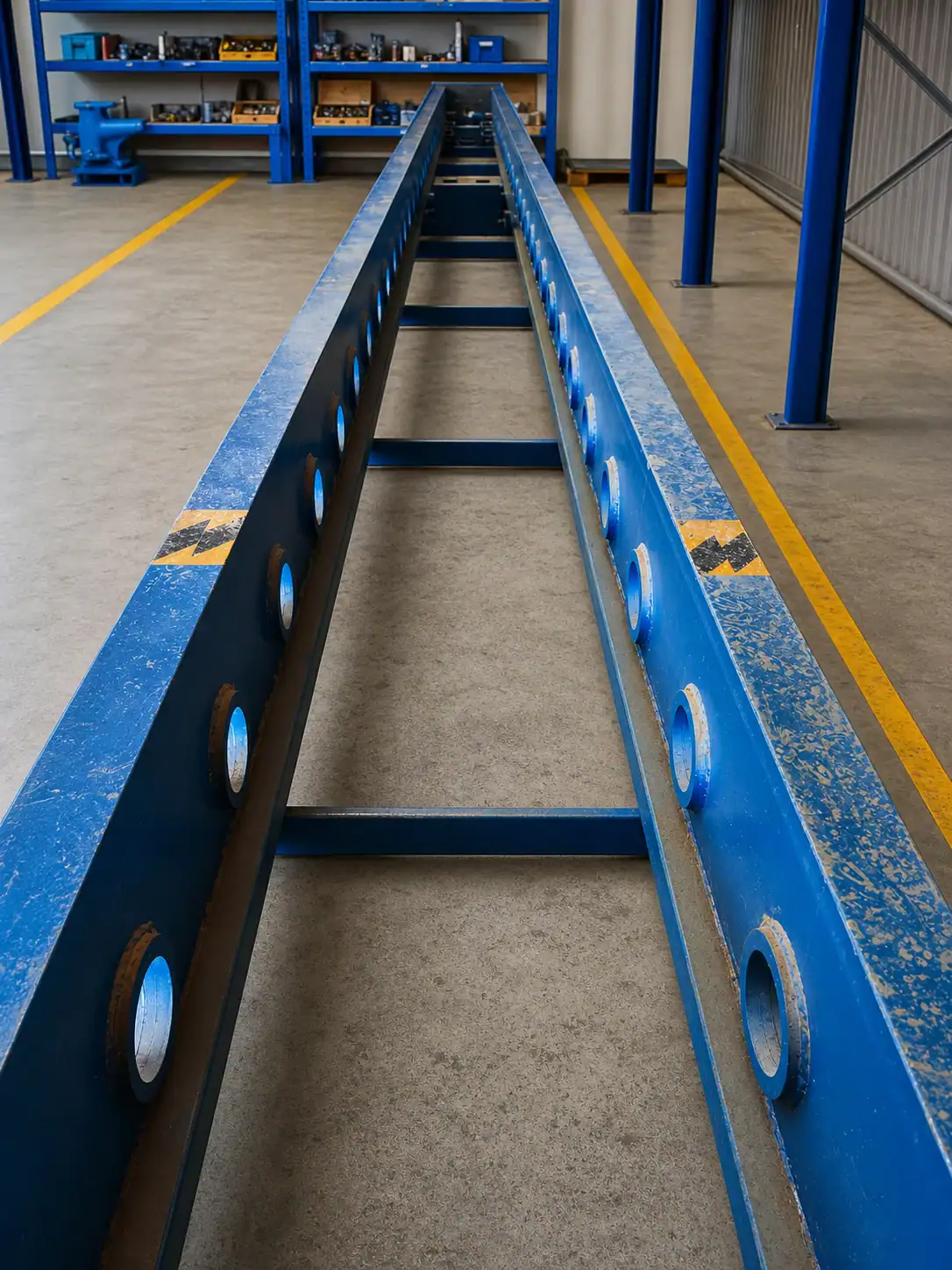
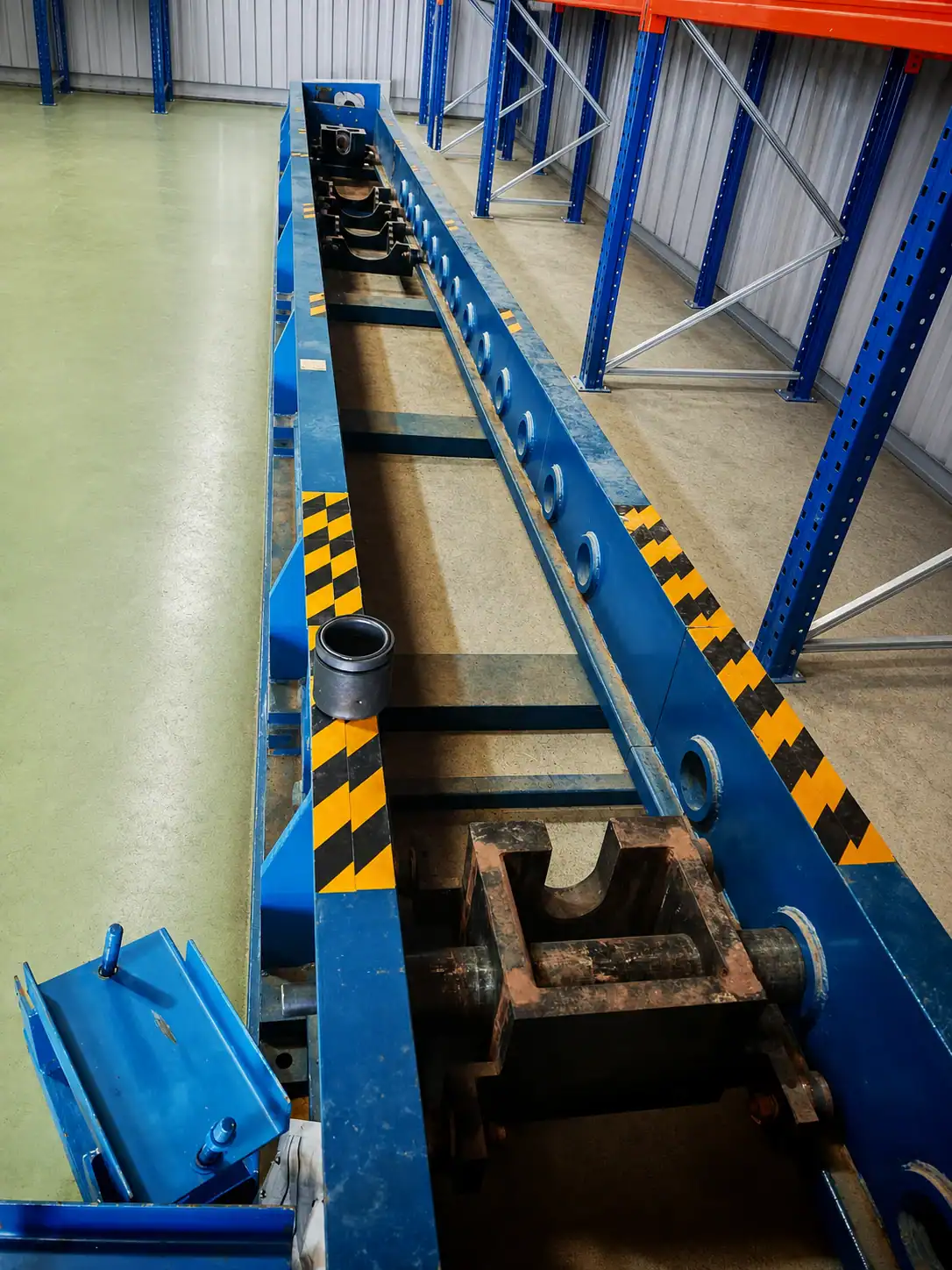
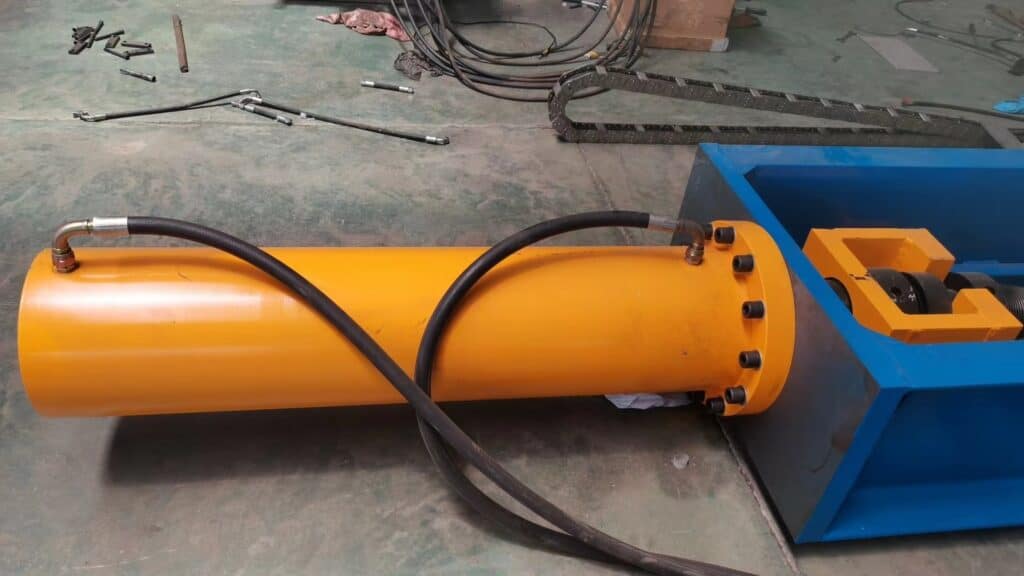
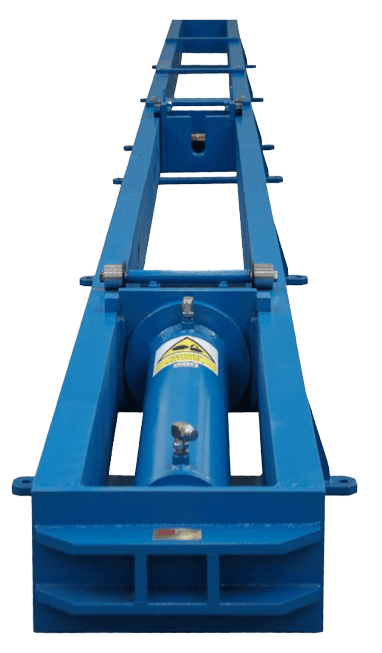
Controlled Load Paths for Repeatable Jar Verification
Hydraulic and mechanical jars need repeatable loading conditions to validate delay times, trip points, and overall tool readiness. The tester frame, actuator package, and sensor layout are designed to remove operator guesswork from that process.
Repeatable verification before the tool goes downhole prevents expensive NPT caused by jars that misfire, delay too long, or fail to reset correctly.
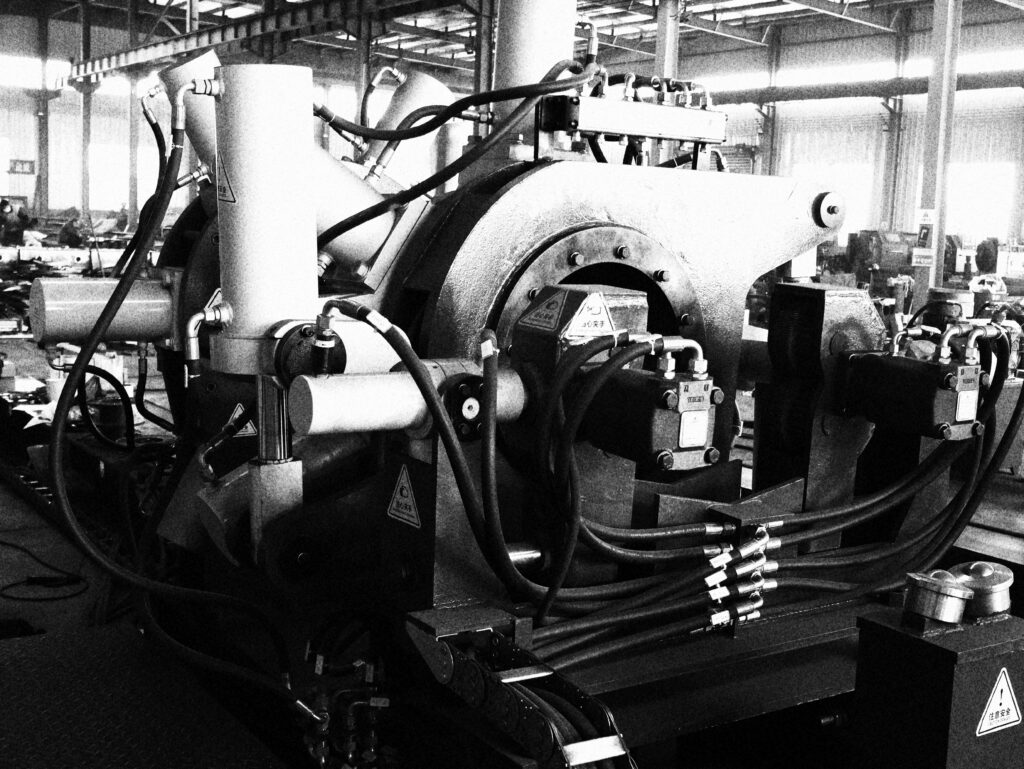
Data Capture, Acceptance Criteria & Stored Records
Every test run can be tied to a defined procedure, a calibrated instrument set, and an exported report package. That gives service centers a clean acceptance record for customer tools and simplifies later maintenance comparisons.
Force and displacement traces help technicians confirm trigger timing and reset behavior.
Custom test protocols make it easier to qualify different jar models on one platform.
Exportable PDF and spreadsheet reporting supports workshop QA documentation.
Buyer Questions
Drilling Jar Tester Buyer Q&A
Drilling-jar-tester buyers usually want to reduce field-return risk, improve workshop repeatability, and give customers a cleaner pass-fail record before jars go back into service.
Why does a jar tester matter before tools go back into field service?
Because the cost of sending an unverified jar back into the field is usually far higher than the cost of testing it correctly in the workshop. A proper tester helps confirm activation behavior, repeatability, and release readiness before the tool reaches the job again.
What should buyers look for in a drilling jar tester system?
Focus on clamp stability, repeatable load and travel measurement, automated cycle control, and a reporting workflow your shop can actually use. For related context, review how drilling and fishing jar testers are applied in practice, how hydraulic jar testers support workshop coverage, and which features matter most in a modern jar tester system.
Can Galip support automated test sequences and workshop documentation?
Yes. The value of an automated tester is not just machine movement; it is the consistency of the test routine and the quality of the records generated around each jar. That matters when customers expect evidence, not just verbal confirmation.
What details should be prepared for a quotation discussion?
Send jar type, size range, expected test cycle, force and travel expectations, and the kind of release record your workshop needs. With that information, the proposal can be built around actual operating requirements instead of a generic tester layout.
Request a Quote
Tell us about your requirements and our engineering team will prepare a detailed proposal with specifications, pricing, and delivery timeline.
Budget range: US$20,000 to US$30,000 for a new machine, depending on configuration. The quotation gives the exact price.
Send your inquiry
Share your product type, operating conditions, quantity, and timing so our team can prepare a practical quote or next-step recommendation.