
What Do Tubular Running Services Do, and What Do They Leave for the Yard?
Tubular running services are the third-party crew and equipment that run casing and tubing into a well. This page lists the six jobs the crew does on the rig floor, the equipment it brings, and the connections that were made up in a workshop before the crew ever arrived.
Tubular running services are the third-party crew and equipment that run casing and tubing into a well: power tongs, casing running tools, elevators, slips and torque-turn systems, with a crew that makes up each connection on the rig floor to the connection owner’s specification. What the crew runs was prepared elsewhere: couplings bucked on at the threader, accessories assembled in a shop, both to a recorded torque.
At a glance
| What TRS is | A specialist service, usually contracted by the operator, that brings the crew and equipment to run casing, liners and tubing, and to make up and break out their connections on the rig floor |
| The six jobs | Rig-up and pipe handling, make-up with power tongs, torque-turn monitoring and connection disposition, running with a casing running tool from the top drive, fill-up and circulation while running, and landing the string in its hanger |
| The equipment | Hydraulic power tongs with backups, casing running tools, elevators, slips and spiders, a torque-turn computer, fill-up tools, thread protectors and handling gear; some providers list bucking units for accessory make-up at the rig site |
| What was done first | Every coupling on every joint was made up at the mill or threading shop; pup joints, crossovers, float equipment and hanger joints were assembled in a yard or completion shop; all of it on a bucking unit, with a torque-turn trace |
| Decision this page supports | Understanding which connections a TRS crew owns and which a workshop owns, so a shop specifying a bench does not confuse the two |
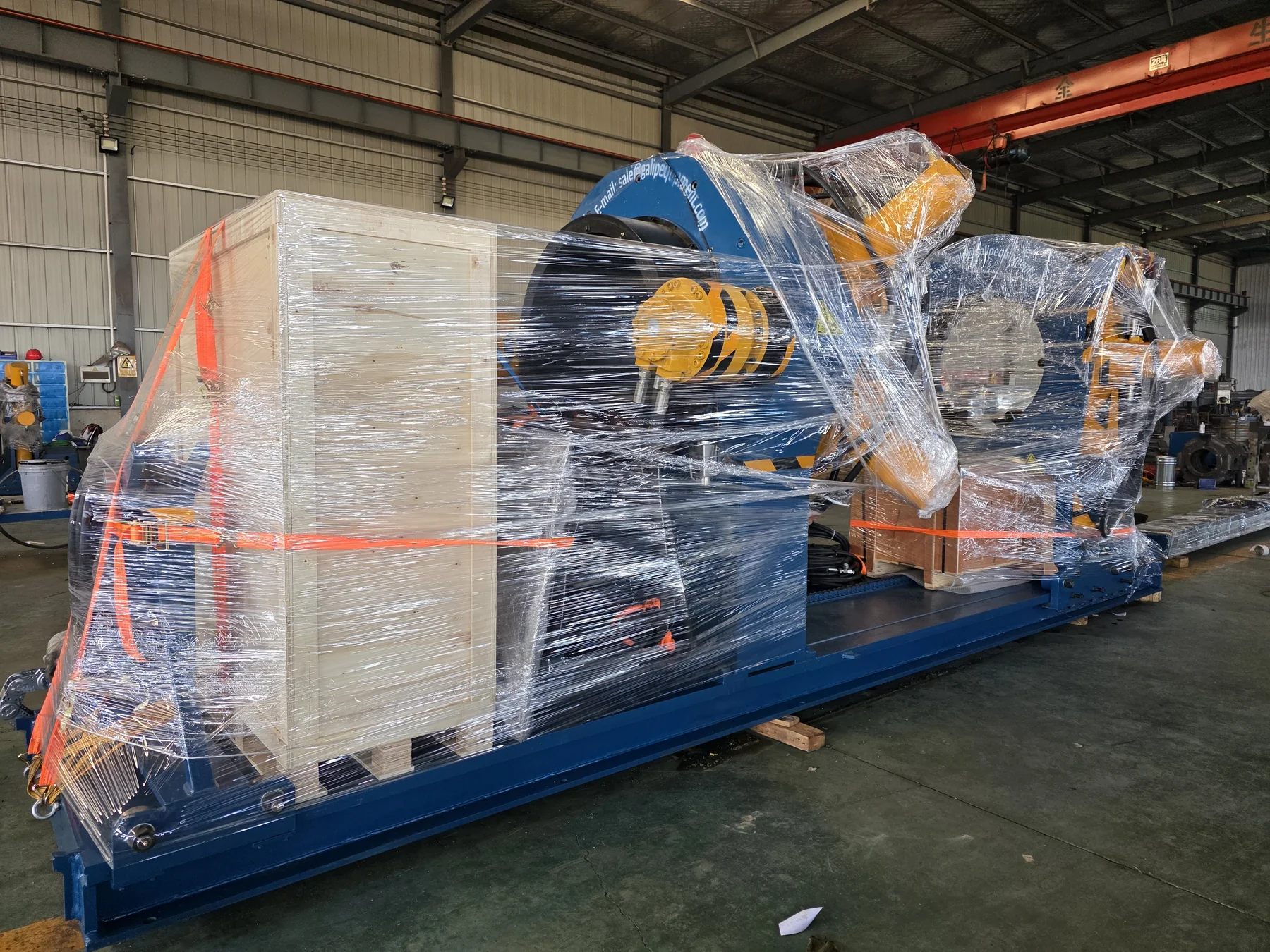
What tubular running services are
When a casing string is run, the drilling contractor’s crew does not usually make it up. A tubular running services company, TRS in the industry’s shorthand, brings its own tong operators, its own tongs and running tools and its own torque-turn system, and takes responsibility for every connection from the first joint to the hanger. The largest providers describe the service as covering the full range of tubulars, from large-diameter conductor and surface casing down to production tubing, with tongs, casing running tools and connection-monitoring systems as the core equipment (Expro, Frank’s Tubular Running Services). Smaller regional providers offer the same package with fewer options.
The service exists because casing connections are unforgiving and rig time is expensive. A casing string is run once, cemented, and expected to hold pressure for the life of the well; a connection made up wrong is either found by a pressure test and repaired at great cost, or not found at all. Operators therefore pay for a crew whose only job is the connection, with equipment built for it and a record of every make-up. The trade press has followed the same logic into automation, with tong operation moving from the red zone to the driller’s cabin (Drilling Contractor, Automation of Tubular Running Services).
The six jobs a TRS crew does
| Job | What happens on the rig floor | Equipment |
|---|---|---|
| Rig-up and pipe handling | The tong, backup and running tool are hung and aligned at well centre; joints are brought from the pipe deck, thread protectors removed, threads cleaned and doped | Tong hanging and positioning gear, elevators and single-joint elevators, protectors, dope applicator |
| Make-up with power tongs | Each joint is stabbed into the box of the previous one and rotated by the tong at controlled speed until the target torque is reached, with a backup holding the lower joint | Hydraulic power tong sized for the casing, backup tong, hydraulic power unit; the tool is described in the power tong guide |
| Torque-turn monitoring and disposition | Torque against turns is recorded for every connection; the operator or the system accepts or rejects the make-up against the connection owner’s criteria, and rejected joints are backed out and remade or laid down | Torque-turn computer with a load cell on the tong and a turns counter; the principles are set out in torque-turn monitoring systems |
| Running with a casing running tool | On many rigs the top drive picks up each joint with a casing running tool that grips it internally or externally, makes up the connection by rotating the top drive, and can circulate and rotate the string while running | Casing running tool, top drive interface, torque sub |
| Fill-up and circulation | The string is filled with fluid as it is run so it does not collapse or float, and circulated when needed to clear the hole; the crew manages the fill-up tool and the float equipment | Fill-up and circulating tool, float shoe and collar already made up in the string |
| Landing the string | The last joint or hanger joint is made up, the string is landed in its hanger and the load transferred; the connection record is closed out and handed over | Hanger joint or landing joint, slips and spiders, the final torque-turn report The hanger and the stack it lands in are described in what is a wellhead. |
Tubing is run the same way at completion, with smaller tongs and, on premium connections, the same torque-turn discipline; the completion accessories the crew makes into the string are described in well completion explained.
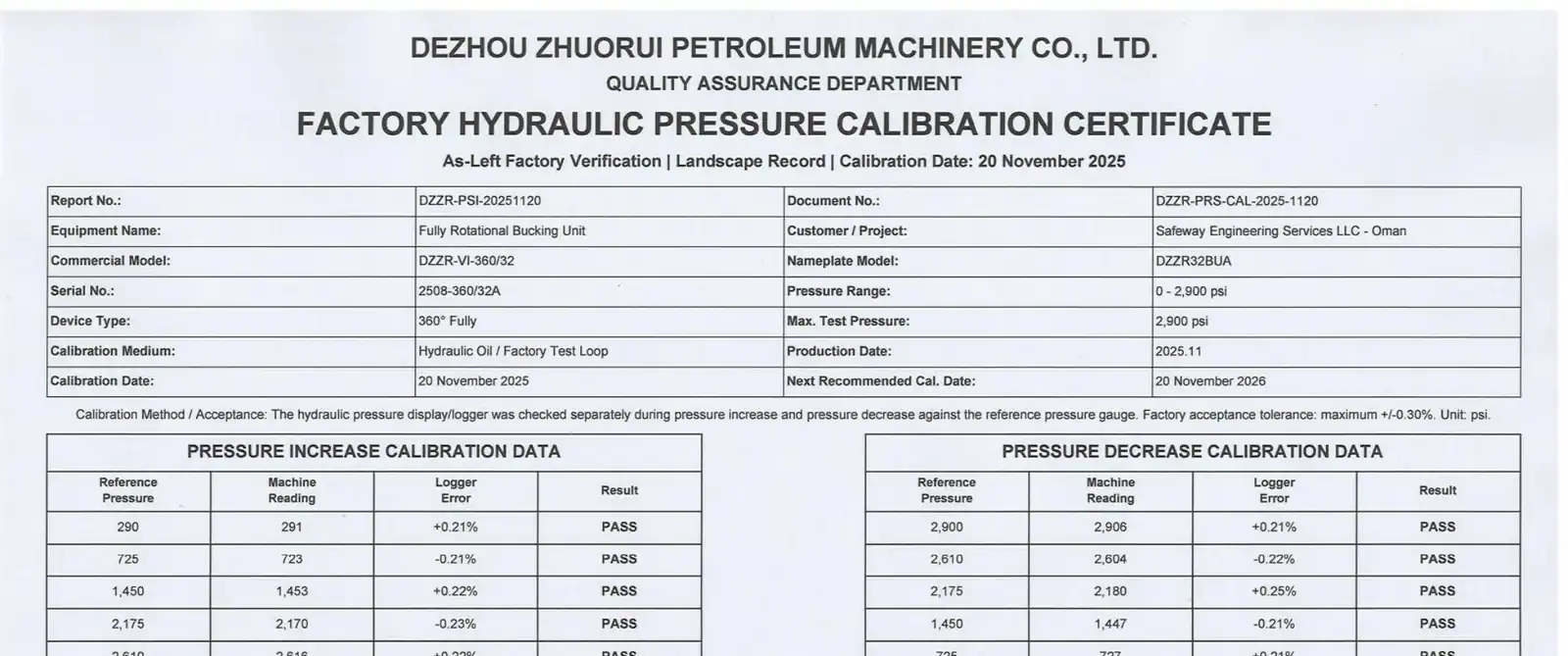
What the TRS crew inherits from the shop
Look at the joint the tong makes up and it is only half a connection. The box end of that joint is a coupling, and the coupling was made up onto the pipe long before it reached the rig, at the mill or the threading shop, on a horizontal hydraulic bucking unit, to the connection owner’s torque, with its own torque-turn trace. The controls that shop applies to the coupling side are set out in casing coupling make-up for OCTG threading shops. When the TRS crew records a make-up on the rig, the coupling it is screwing into already has a record of its own.
The same is true of everything in the string that is not a plain joint. Float shoes and collars are made up onto the bottom joints in the pipe yard; pup joints are made up to their couplings; crossovers between casing sizes, centralizer stop collars, hanger joints and landing joints are assembled beforehand. On a completion, mandrels, sleeves and nipples arrive as sub-assemblies from a shop. The rig floor sees only the joint-to-joint connections, and it sees each of them once. The yard and the shop see the accessory connections, and they make them up horizontally, slowly and with a saved trace, which is the reason those connections are made there. Some TRS providers list bucking units, fixed or portable, in their own equipment for exactly that purpose: making up accessories at the rig site rather than on the floor. Why that shoe track is locked and recorded before it leaves the yard is covered in well cementing and float equipment.
A third party sometimes sits between the two. Where an operator wants the coupling make-up verified independently of the threader, a third-party torque-turn service records the shop make-up and issues the report; what that service covers is described in third-party torque turning. The chain of records for one casing string can therefore run from the mill through the threader, the third party, the yard and the TRS crew, and a connection integrity audit will ask for all of them.
Where the machines differ, and why it matters
The tong on the rig and the bench in the shop both apply torque to the same connection, and buyers moving between them sometimes assume they are interchangeable. They are not. The rig tong works on a vertical string hanging in the slips, one joint at a time, in whatever time the rig allows; the bench works on a horizontal, supported component, at whatever speed the connection needs, with the component clamped and the trace saved. The comparison in bucking unit versus power tong goes through the differences; the short version is that a tong belongs where the string is, and a bench belongs where the accessories are. A TRS company that also assembles accessories owns both.
The one thing that must be identical is the number. The coupling torque in the shop and the joint torque on the rig come from the same connection owner’s data, and both records must show the torque was reached inside the owner’s window. A discrepancy between the shop’s trace and the rig’s is a question for the connection owner; neither crew can settle it alone, and that is the reason both traces are kept.
Where TRS sits in the industry
Tubular running services are drilling-phase and completion-phase work in the upstream sector, contracted by the operator and performed on the drilling contractor’s rig; the phase view is in upstream oil and gas. The threading shops, pipe yards and completion shops that prepare what the crew runs are upstream as well, and the sector map in upstream, midstream and downstream oil and gas explains why the whole chain, from the coupling to the hanger, stays inside the well’s own sector.
When another page is the better start
An operator selecting a TRS provider is choosing a service, and this site does not supply it; the providers’ own capability statements and the connection owners’ approved-equipment lists are the place to start. A threading shop or pipe yard preparing what the crew will run should go to the bucking unit product page and the acceptance checklist, and should note that its record will sit next to the rig’s in any audit. A TRS company thinking of adding accessory make-up to its own service should read the bucking unit versus power tong comparison first and specify the bench for the accessories it will make up, since the string stays with the tong. And a reader whose question was really about the tong should be in the power tong guide.
The usual limit applies. Acceptance criteria, torque windows and connection dimensions belong to the connection owner. This page describes who applies them and where, not what they are.
Frequently asked questions
What are tubular running services?
The third-party crew and equipment contracted to run casing, liners and tubing into a well: power tongs and backups, casing running tools, elevators, slips and spiders, fill-up tools and a torque-turn system, with tong operators who make up every connection on the rig floor to the connection owner’s specification and hand over a record of each.
What does a casing running tool do?
It lets the top drive pick up, make up and run casing directly. The tool grips the joint, the top drive rotates it into the previous joint to the target torque, and the string can be circulated and rotated while running to help it reach depth. It replaces or supplements the conventional tong and elevator sequence on many rigs.
Who makes up the couplings on casing before it is run?
The mill or an independent threading shop, on a horizontal bucking unit, to the connection owner’s torque, with a torque-turn trace per coupling. The TRS crew on the rig screws the pin of each new joint into a coupling that already carries that record. Accessories such as float equipment and pup joints are likewise made up in a yard or shop beforehand.
What is torque-turn monitoring on the rig floor?
Recording torque against turns for every connection as the tong makes it up, and accepting or rejecting the make-up against the connection owner’s criteria: torque window, shoulder point, turns and the shape of the curve. Rejected connections are backed out and remade or laid down. The final report is handed to the operator with the string.
Do TRS companies use bucking units?
Some list bucking units, fixed or portable, among their equipment, for making up accessories and sub-assemblies at the rig site rather than on the floor. The main make-up work of a TRS crew is done with power tongs and casing running tools on the vertical string; a bucking unit is the horizontal bench used for the accessories that are prepared beforehand.
Is tubular running upstream, midstream or downstream?
Upstream. Casing and tubing are run during the drilling and completion phases of a well, on the drilling contractor’s rig, under contract to the operator. The shops and yards that prepare the couplings and accessories are upstream too. Nothing in midstream or downstream runs threaded tubulars into a hole, so the service does not exist there.
Send the string, not the service
A shop or yard that prepares tubulars for a TRS crew is quoted from the string it prepares. The useful set for a bucking unit quotation is: the casing and tubing sizes and connection families, the accessories made up (float equipment, pups, crossovers, hanger joints, completion sub-assemblies) with their dimensions, the connection owners’ make-up torques, whether a third party will witness or verify the shop make-up, the record format the operator and the TRS provider expect, the site power supply and a sketch of the bay. The Galip team quotes from that list and will say which record fields make the shop trace match the rig trace.
The tubular running checklist
- Separate the joint-to-joint connections, which the TRS crew makes up on the floor, from the coupling and accessory connections, which a shop makes up first.
- Confirm every coupling was made up to the connection owner’s torque with a saved trace before the pipe left the threader.
- Assemble float equipment, pups, crossovers, hanger joints and completion sub-assemblies in the yard or shop, horizontally, with a trace per connection.
- Use one torque source for the shop and the rig: the connection owner’s data, applied inside the same window.
- Keep the shop trace, any third-party report and the rig torque-turn report together, per string, for the integrity audit.
- Specify a yard or shop bench for the accessories it makes up; the rig-floor job stays with the tong.
- Where a TRS provider adds accessory make-up at the rig site, treat it as a shop operation with shop records.
- Reject and remake any connection whose trace falls outside the window, on the rig or on the bench; the record is only useful if it is acted on.
{“@context”: “https://schema.org”, “@type”: “FAQPage”, “mainEntity”: [{“@type”: “Question”, “name”: “What are tubular running services?”, “acceptedAnswer”: {“@type”: “Answer”, “text”: “The third-party crew and equipment contracted to run casing, liners and tubing into a well: power tongs and backups, casing running tools, elevators, slips and spiders, fill-up tools and a torque-turn system, with tong operators who make up every connection on the rig floor to the connection owner’s specification and hand over a record of each.”}}, {“@type”: “Question”, “name”: “What does a casing running tool do?”, “acceptedAnswer”: {“@type”: “Answer”, “text”: “It lets the top drive pick up, make up and run casing directly. The tool grips the joint, the top drive rotates it into the previous joint to the target torque, and the string can be circulated and rotated while running to help it reach depth. It replaces or supplements the conventional tong and elevator sequence on many rigs.”}}, {“@type”: “Question”, “name”: “Who makes up the couplings on casing before it is run?”, “acceptedAnswer”: {“@type”: “Answer”, “text”: “The mill or an independent threading shop, on a horizontal bucking unit, to the connection owner’s torque, with a torque-turn trace per coupling. The TRS crew on the rig screws the pin of each new joint into a coupling that already carries that record. Accessories such as float equipment and pup joints are likewise made up in a yard or shop beforehand.”}}, {“@type”: “Question”, “name”: “What is torque-turn monitoring on the rig floor?”, “acceptedAnswer”: {“@type”: “Answer”, “text”: “Recording torque against turns for every connection as the tong makes it up, and accepting or rejecting the make-up against the connection owner’s criteria: torque window, shoulder point, turns and the shape of the curve. Rejected connections are backed out and remade or laid down. The final report is handed to the operator with the string.”}}, {“@type”: “Question”, “name”: “Do TRS companies use bucking units?”, “acceptedAnswer”: {“@type”: “Answer”, “text”: “Some list bucking units, fixed or portable, among their equipment, for making up accessories and sub-assemblies at the rig site rather than on the floor. The main make-up work of a TRS crew is done with power tongs and casing running tools on the vertical string; a bucking unit is the horizontal bench used for the accessories that are prepared beforehand.”}}, {“@type”: “Question”, “name”: “Is tubular running upstream, midstream or downstream?”, “acceptedAnswer”: {“@type”: “Answer”, “text”: “Upstream. Casing and tubing are run during the drilling and completion phases of a well, on the drilling contractor’s rig, under contract to the operator. The shops and yards that prepare the couplings and accessories are upstream too. Nothing in midstream or downstream runs threaded tubulars into a hole, so the service does not exist there.”}}]}
Expert Consultation
Need more information on optimizing your equipment performance? Our engineering team is available for technical consultations.
Request a Quote
Tell us about your requirements and our engineering team will prepare a detailed proposal with specifications, pricing, and delivery timeline.
