
Casing Coupling Make-Up: 12 Controls for OCTG Threading Shops
A practical casing coupling make-up guide for OCTG threading shops: alignment, compound, batch control, torque-turn records, rework, and release.
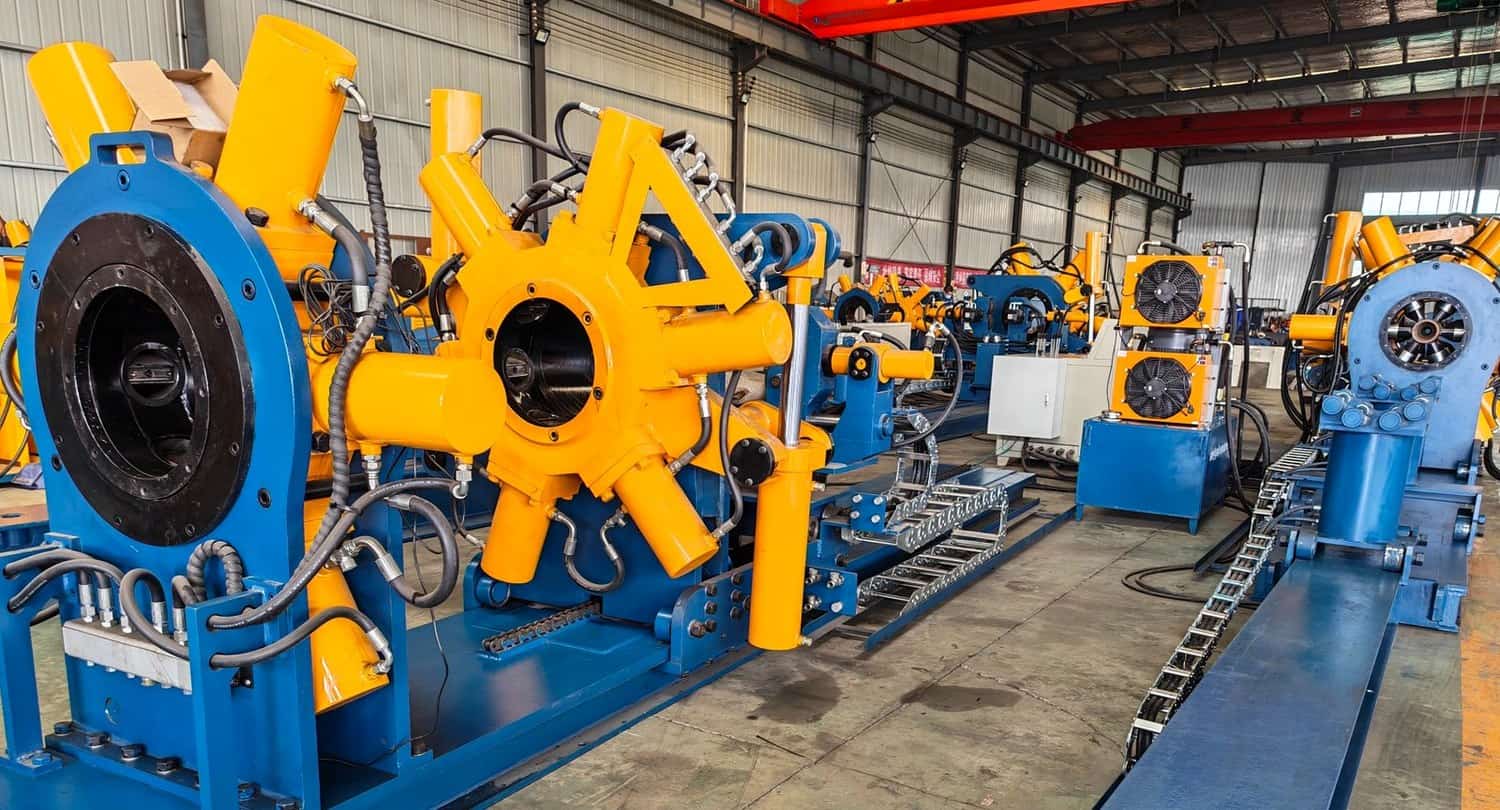
Casing Coupling Make-Up: Why the Release Decision Starts Before Torque
Casing coupling make-up looks simple from a distance: hold the pipe, start the coupling, rotate to the approved requirement, and move the joint forward. In a high-volume OCTG threading shop, however, the difficult part is not producing one acceptable connection. The difficult part is producing the same defensible result across sizes, grades, connection families, operators, shifts, and customer orders without allowing identity, setup, or record drift to enter the batch.
A coupling can reach a familiar final torque and still create a downstream question. The connection may have started out of line. The wrong procedure revision may have been loaded. Thread compound may have been applied inconsistently. The joint identity may not match the report file. A remake may have been returned to the good-product lane before the exception was closed. None of these problems is solved by quoting a higher machine torque rating.
The practical goal is therefore larger than tightening a coupling. An OCTG threading shop needs a controlled release process that connects the physical joint to the approved requirement, the machine setup, the operator action, the inspection result, and the final record package. The twelve controls below are designed around that real workflow.
Quick answer: Reliable casing coupling make-up depends on twelve linked controls: correct work-order revision, positive product identity, clean and inspected threads, procedure-compliant compound, supported alignment, controlled thread start, suitable clamping, approved make-up criteria, first-piece approval, batch-change control, disciplined rework handling, and a searchable release record. Final torque is evidence, but it is not the entire quality decision.
- Support and alignment should be stable before the coupling is allowed to carry the connection into torque.
- The equipment envelope must match the real OD, length, mass, handling route, and operator access at the customer site.
What Is Casing Coupling Make-Up?
Casing coupling make-up is the controlled assembly of a threaded coupling onto a casing or tubing joint before the product is released to storage, shipment, service preparation, or field use. The operation may take place at a pipe mill, an independent threading shop, a coupling or pup-joint line, an OCTG service center, or another controlled workshop. Depending on the connection, acceptance may involve torque, position, turns, torque-turn behavior, visual condition, or a combination defined by the applicable standard, connection owner, customer specification, and approved work instruction.
The process is different from field running. In a threading or processing shop, the team normally has better access to the full workpiece, fixed support, controlled tooling, dedicated records, and the opportunity to quarantine a questionable joint before it enters the logistics chain. That advantage is only useful when the workflow is designed to preserve evidence rather than simply increase pieces per hour.
Why Final Torque Is Not a Complete Release Record
Final torque answers one question: what torque value was present at the end of the recorded operation? It does not, by itself, prove that the correct joint was loaded, the right connection procedure was selected, the coupling started squarely, the correct compound was used, the thread was clean, the clamp contact was suitable, or an abnormal event did not occur and disappear during a remake.
For common API connections, the controlling requirement may be different from a premium connection workflow. For proprietary or premium connections, the licensor's latest procedure may define shoulder, position, turns, delta values, speed, compound, or other acceptance criteria. A shop should never replace the official requirement with a generic article or an operator's remembered setting. The equipment record must support the approved procedure, not become a substitute for it.
| Control point | What can drift | Evidence before release |
|---|---|---|
| 1. Revision control | Old drawing, torque table, or customer instruction | Approved document number and revision linked to the job |
| 2. Product identity | Mixed grade, OD, wall, heat, connection, or customer order | Joint/coupling identity matched to traveler or digital job |
| 3. Thread condition | Damage, contamination, corrosion, burrs, or protector debris | Inspection status and hold/release decision |
| 4. Compound discipline | Wrong product, coverage, amount, or contaminated applicator | Compound requirement and preparation check |
| 5. Support and alignment | Sag, offset, angular entry, unstable workpiece | Setup verified before thread start |
| 6. Controlled thread start | Cross-threading, impact start, or forced engagement | Low-load start observed and accepted |
| 7. Clamping/contact setup | Slippage, body marking, or unstable reaction | Correct jaws/inserts and clamp setup for the product |
| 8. Make-up criteria | Wrong target, range, speed, or acceptance logic | Approved profile and recorded result |
| 9. First-piece approval | Batch starts before setup is proven | First article signed off before normal production |
| 10. Batch/changeover control | Settings carried into a new size or order | Changeover checklist and profile confirmation |
| 11. Rework/quarantine | Rejected piece re-enters good flow without closure | Exception record, disposition, and remake link |
| 12. Release package | Good physical joint with weak or missing documentation | Searchable report, inspection, and QA release record |
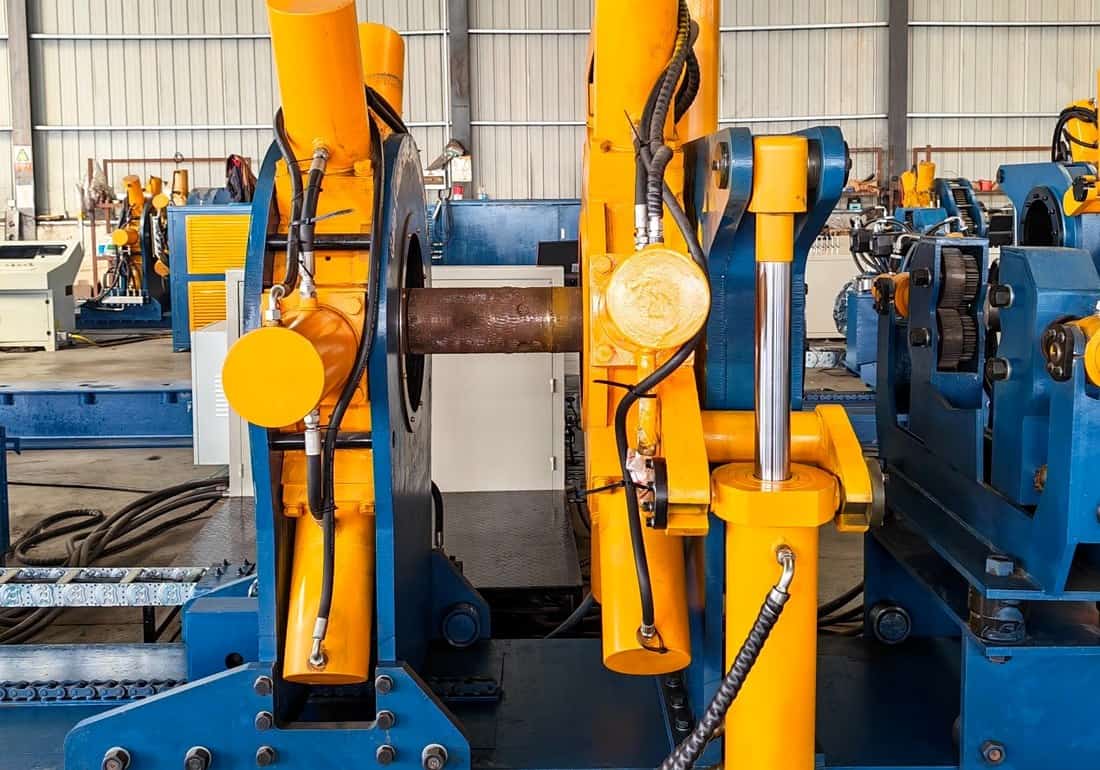
The 12 Controls for Casing Coupling Make-Up
1. Control the work-order and procedure revision before the machine is set
The operator should not begin by searching for a remembered torque value. The job should begin with one approved package that identifies the customer, pipe product, size, grade, wall, connection, coupling identity where required, applicable procedure, and document revision. If a customer changes a requirement, the old profile and printed sheet should be removed from use or clearly locked out. A machine setting is only as reliable as the instruction that created it.
2. Keep pipe, coupling, and record identity connected
High-volume shops are vulnerable to ordinary mixing errors. Similar-looking couplings may belong to different grades, thread forms, lots, or customer orders. Identity should remain visible at receiving, staging, machine loading, inspection, report generation, and release. The report name should not depend on a vague description such as “Job 1” or “today batch.” Use a searchable convention that connects the result to the joint, coupling lot, work order, customer, and date.
3. Inspect the connection before compound hides the evidence
The last clean visual inspection should happen before compound application. Threads, seal areas, shoulders, coupling faces, and protectors should be checked according to the approved procedure. A questionable connection should move to hold status before make-up. Once compound is applied and the connection is assembled, it becomes harder to distinguish pre-existing damage from make-up damage.
4. Treat thread compound as a controlled input
Compound type, condition, mixing, applicator cleanliness, coverage, and amount can influence make-up behavior. The shop should use the product and application method specified by the connection owner or customer. “More” is not automatically safer. Excess compound can hide contamination and change hydraulic behavior; too little or uneven coverage can increase friction and local loading. Record the compound requirement at the job level so that a later reviewer does not have to rely on memory.
5. Support the pipe and coupling on the connection centerline
A coupling should not be asked to correct poor support. If the pipe sags, the coupling approaches at an angle, or the support changes as the machine moves, thread start and torque behavior can be affected. Roller stands, jacks, rails, and handling tools should hold the workpiece naturally on centerline. The best setup is one where the connection meets without visible forcing before significant torque is applied.
6. Use a controlled, observable thread start
Many expensive failures begin in the first turns, not near final torque. The start should be slow enough for the operator to confirm smooth engagement, correct axial approach, and absence of binding or impact. If resistance appears earlier than expected, the correct response is to stop and inspect—not to use more power to pull the connection through. A controlled start is one of the clearest differences between an assembly process and a force-only process.
7. Match jaw and clamp contact to the product surface
The clamp system must transmit reaction without slipping, crushing, or creating unacceptable marks. The correct choice depends on OD, wall, material, coating, customer acceptance, and whether the product is damage-sensitive. CRA or chrome tubulars may require a different contact strategy than a standard carbon-steel product. Clamp force should be sufficient for stability but should not be treated as a universal maximum setting.
8. Load the approved make-up criteria and review the whole run
Before production, confirm the correct job profile: target or acceptable range, rotation behavior, report fields, and any connection-specific hold points. During make-up, the operator and QA team should review the result required by the procedure, which may include more than final torque. For monitored work, the curve and recorded events provide context that a single number cannot. The public article should describe report output and workflow without revealing confidential internal measurement or calculation methods.
9. Approve a first piece before releasing normal production
The first completed joint after setup, maintenance, tooling change, size change, software/profile change, or shift restart should receive deliberate review. Check physical condition, identity, machine setup, report fields, final result, and file naming. If the first piece is weak, running another fifty pieces faster only creates a larger problem. A short first-piece hold is usually cheaper than a batch investigation.
10. Control every batch and changeover
A threading shop may move between casing and tubing sizes, grades, connection families, customer orders, and surface requirements in one shift. Changeover should reset the entire job, not only the jaws. Confirm profile, tooling, supports, compound, report naming, customer fields, and acceptance reference. A simple changeover checklist prevents the previous job from leaking into the next one.
11. Separate rework from normal flow
A joint that stops abnormally, slips, starts incorrectly, produces a questionable record, or requires break-out should be physically and digitally separated. The original report should not be overwritten or discarded. Record the event, the supervisor decision, the inspection result, and the relationship between the first attempt and the remake. This protects both the customer and the workshop when the history is reviewed later.
12. Release the connection with a complete, searchable evidence pack
A finished joint is not truly released until the physical product and the record agree. The pack should include identity, procedure reference, inspection status, make-up report, exception closure, operator/time information, and QA approval required by the job. The file should be named and stored so it can be found months later without asking the original operator. Traceability is not the volume of data collected; it is the ability to retrieve the right evidence for the right joint.
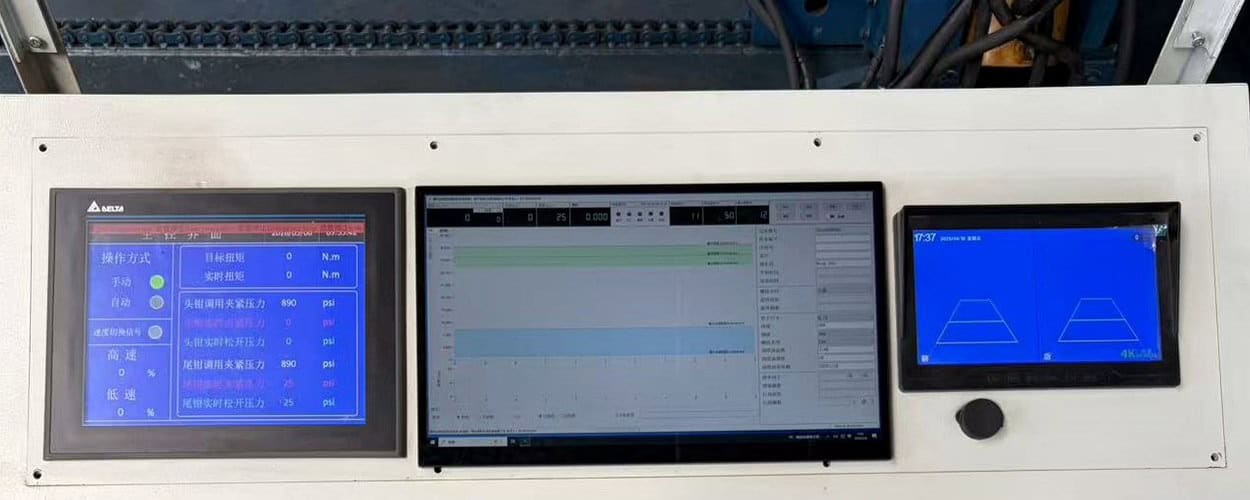
High-Volume Coupling Lines: Protect Throughput Without Hiding Drift
Throughput matters in a pipe mill or threading shop, but the fastest line is not the one with the highest instantaneous rotation speed. It is the line that avoids repeated setup loss, rework, searching for reports, mixed product, and large-batch containment. The most productive controls are often simple: pre-stage the correct coupling lot, verify the next job before changeover, keep approved profiles controlled, maintain clean applicators, and make first-piece review quick and visible.
Supervisors should watch trends across the batch, not only individual passes. Are clamp pressures being increased to compensate for worn contact surfaces? Are early stops becoming more common? Are operators renaming files manually after the job because identity was not loaded correctly? Are remakes concentrated on one shift or one product family? These patterns are operational evidence. They help the workshop improve before a customer complaint forces the investigation.
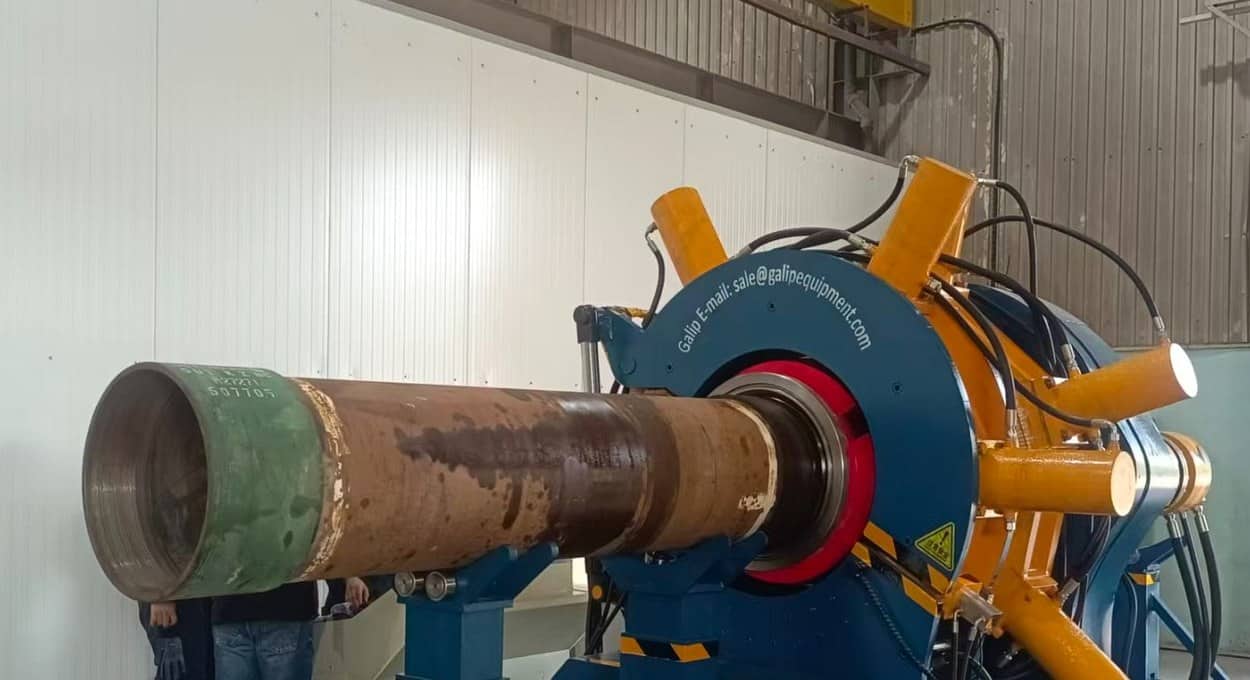
Where a Fully Rotational Bucking Unit Fits in a Coupling Make-Up Line
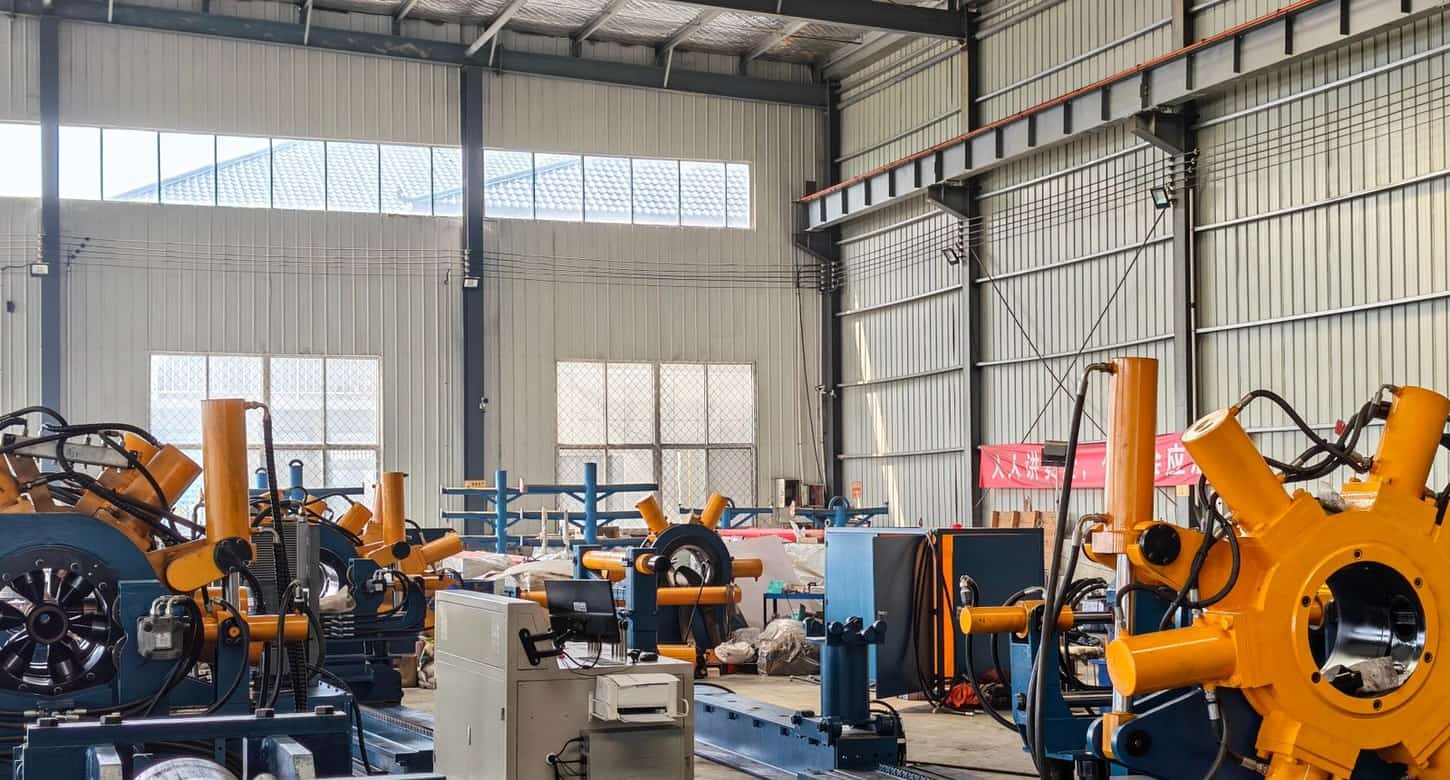
The main search topic of this article is casing coupling make-up, not the machine itself. Equipment becomes relevant when the threading shop decides how to make the process controlled, repeatable, and reportable. A fully rotational hydraulic bucking unit can serve as the make-up station for casing couplings, tubing couplings, pup joints, and other threaded OCTG work when the configuration matches the product envelope.
Its role is to provide stable workpiece support, controlled rotation, suitable clamping, defined torque delivery, and a record that can be tied to the job. The machine does not replace thread inspection, compound discipline, correct procedure selection, or QA review. It turns a prepared connection into a controlled and documented assembly step.
Safe product conclusion: Galip hydraulic bucking units can be configured for casing coupling and pup-joint make-up workflows that require controlled rotation, torque-turn monitoring, and traceable report output.
What to Specify for a Casing Coupling Make-Up Machine
Do not request a quote with only “maximum torque” and pipe OD. The supplier needs the actual process envelope. The following inputs determine whether the proposed machine will fit the work, the workshop, and the customer record requirement.
| Input | What the buyer should provide |
|---|---|
| Product range | Casing, tubing, coupling, pup joint, crossover, or mixed service work |
| OD and length envelope | Minimum and maximum pipe/coupling OD, typical length, mass, and support conditions |
| Connection families | API and/or proprietary/premium connections expected in the shop |
| Torque requirement | Typical, minimum, and peak make-up values; breakout requirement if the same cell will handle rework |
| Surface sensitivity | Carbon steel, CRA, chrome, coating, or customer marking limits |
| Daily output | Normal pieces per shift, peak campaign volume, and expected changeover frequency |
| Record format | PDF, Excel, customer template, serial/joint fields, witness sign-off, retention rules |
| Workshop layout | Available length, crane/forklift route, operator position, maintenance clearance, and finished-product flow |
| Power/site conditions | Voltage, phase, frequency, ambient conditions, cooling, and any site restrictions |
| Acceptance plan | FAT witness points, sample report, first-piece review, training, spares, and commissioning expectations |
Questions a Buyer Should Ask Before Approving the Equipment
- Can the supplier show real machines handling a similar OD and workpiece length?
- How are support, alignment, jaw selection, and damage-sensitive surfaces addressed?
- Can the operator load a job profile without exposing or changing protected settings?
- What fields appear in the exported make-up report, and can a sample be reviewed before purchase?
- How are first-piece approval, abnormal events, remakes, and report retrieval handled in the workflow?
- What parts, tooling, training, commissioning support, and FAT evidence are included?
- Can the proposal be tied to the buyer’s actual daily output and changeover pattern rather than a generic catalog rating?
Casing Coupling Make-Up FAQ
Is final torque enough to accept a casing coupling?
Not always. The approved standard, connection-owner procedure, and customer work instruction determine acceptance. Identity, thread condition, compound, alignment, start behavior, physical condition, and the complete recorded result may all be relevant.
Do API and premium connections use the same make-up criteria?
No. Requirements vary by connection type and procedure. The shop should use the latest approved documentation for the exact connection and customer job rather than applying a generic torque table.
What is the most common high-volume coupling-line risk?
Process drift. The first pieces may be correct, then identity, compound, clamp setup, file naming, or profile control gradually changes across shifts and batches. First-piece approval and changeover discipline reduce this risk.
Should a remake delete the original make-up record?
No. The original event should remain traceable. Record why the joint was stopped or broken out, what inspection and disposition followed, and which new record represents the approved remake.
Can one torque machine handle both coupling make-up and service-tool work?
It may be possible when the frame, OD range, torque range, supports, jaws, controls, and workflow are configured for both. The buyer should define the full job envelope before purchase instead of assuming one setup covers every product.
What should be sent to Galip for a coupling-line review?
Send the product and connection list, OD and length range, normal and peak torque, output target, report fields, surface-protection requirements, workshop layout, power supply, and any FAT or witness requirements.
Related reading: for what happens to these connections downstream, see our guide on OCTG connection integrity after the mill; for moving tubulars safely through the shop, see pipe handling equipment for OCTG workshops. Browse more technical guides.
Couplings, pup joints and crossovers all sit inside the OCTG category; see OCTG explained for how the grades and connection types fit together.
Talk to Galip About an OCTG Coupling Make-Up Cell
A useful proposal starts with the real product flow. Galip can review casing, tubing, coupling, pup-joint, and mixed OCTG make-up requirements and configure a hydraulic torque-machine package around the OD range, torque range, connection family, surface condition, output target, report format, workshop layout, and site power.
Request a coupling make-up configuration and sample torque-turn report
Send your product list, OD range, torque range, connection family, daily output, report requirements, workshop layout, power supply, and destination country — hydraulic bucking unit · sales@galipequipment.com
Expert Consultation
Need more information on optimizing your equipment performance? Our engineering team is available for technical consultations.
Request a Quote
Tell us about your requirements and our engineering team will prepare a detailed proposal with specifications, pricing, and delivery timeline.
