
Shale Completion Workshop Make-Up: How Bucking Units Handle High-Volume Jobs
A practical guide for shale completion service workshops on using bucking units to control repeated high-volume make-up jobs, records, QA review, batching, and throughput.
Galip Equipment — a practical guide for shale completion service workshops, QA/QC leads, operations managers, and procurement teams running repeated high-volume make-up jobs.
Shale completion work is different from a one-off repair job. Shale completion workshop make-up is rarely about one critical assembly made up once and then stopped. It may be preparing repeated batches of well completion tools, subs, pup joints, drill-out components, BHA parts, test assemblies, and customer-specific packages that all need to leave the yard on schedule. A hydraulic bucking unit only adds value here when it is run as part of a controlled, repeatable process — not just a torque machine.
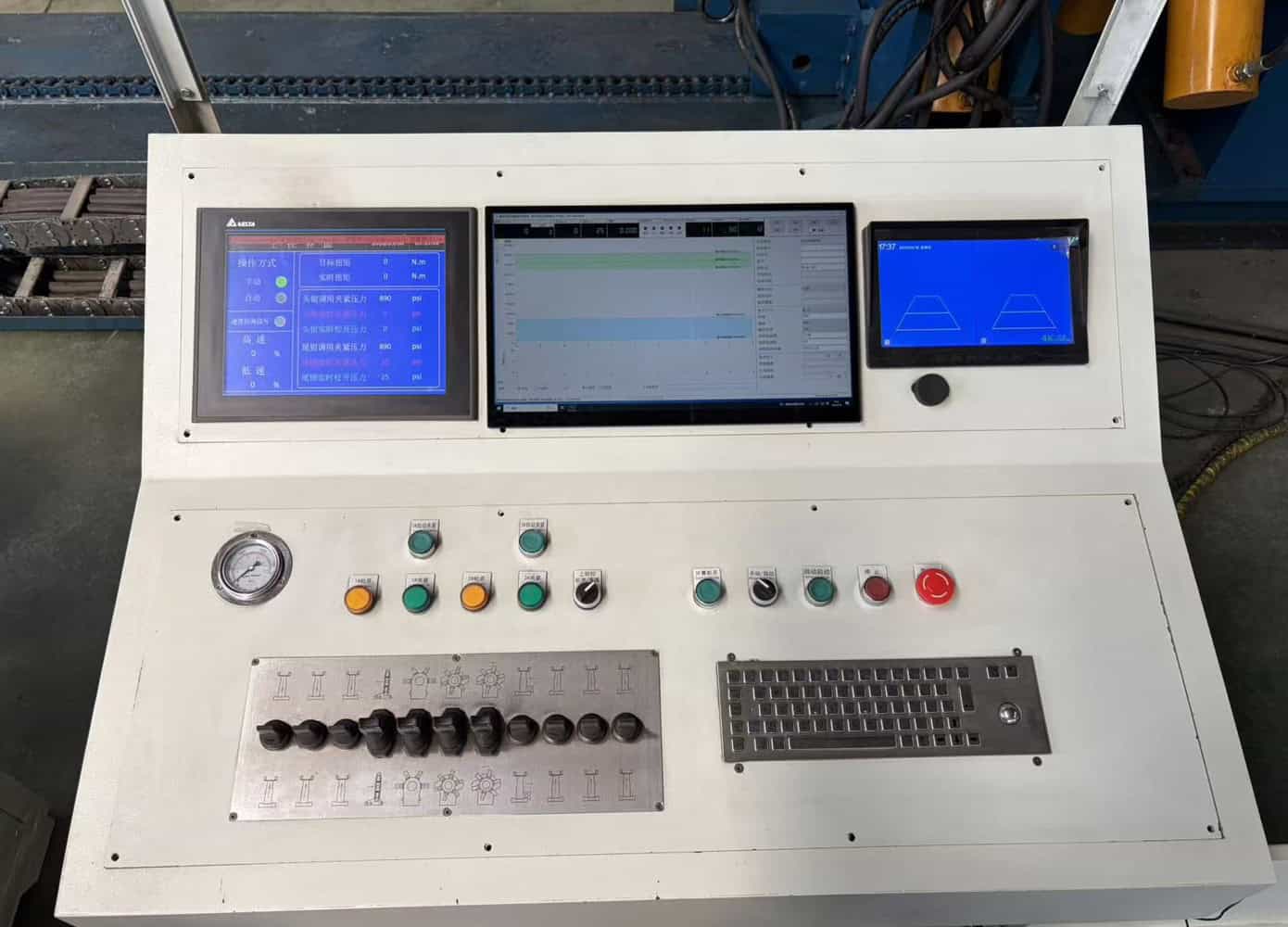
This article explains how bucking units help workshops handle repeated high-volume shale completion jobs without losing control of setup, records, operator variation, and quality review.
Why shale completion workshop make-up becomes a high-volume problem
In shale programs, the commercial pressure is usually not one dramatic lift or one unusual connection. The pressure is repeated execution. Multiple wells, pad schedules, frac windows, tool availability, and customer delivery dates all push the workshop toward faster turnaround.
That does not mean the workshop can accept rough make-up practices. If a connection is damaged, a report is missing, or a component has to be reworked, the delay can move from the shop floor into the field schedule. A small workshop mistake can become a much larger completion problem.
The high-volume nature of the work changes what the bucking unit must do. It must help the team run the same controlled process many times, not just reach a target value once.
What repeated make-up jobs actually stress
High-volume jobs expose weak process habits, and shale completion workshop make-up is no exception. A machine may perform well during a demonstration, but the real test is a full production day with repeated loading, support adjustment, clamping, make-up, record saving, QA review, and shift handover.
The common weak points are usually not mysterious. They are practical workshop issues: incorrect batching, setup drift, tooling wear, unclear job names, missed hold points, poor handover, and reports saved in the wrong place.
A bucking unit helps when it is placed inside a disciplined workflow. The machine provides controlled make-up and record output; the workshop still needs a job system that keeps the work organized.
Where high-volume make-up jobs lose control
| Weak point | What actually happens |
|---|---|
| Setup drift | The first few jobs are correct, then support height, jaw condition, clamping-pressure discipline, or tool placement slowly changes. |
| Operator variation | Day shift and night shift follow the same procedure differently unless the job setup and report review are standardized. |
| Batch pressure | Urgent orders can lead to skipped checks, weak report naming, or poor exception notes. |
| Tooling wear | Repeated cycles increase the importance of jaw inspection, insert condition, hose checks, lubrication, and maintenance handover. |
| Missing traceability | The make-up may be physically acceptable, but the customer cannot match the record to the exact item later. |
The role of the bucking unit in a shale completion workshop
In shale completion workshop make-up, a bucking unit gives the team a controlled place to make up and break out threaded components before they leave for the field. For shale completion support work, that often means repeated jobs in similar OD ranges, similar connection families, and similar customer procedures.
The machine does not replace the customer procedure or the connection owner’s requirements. It gives the workshop a repeatable platform for applying the approved procedure, reviewing the result, and keeping a useful record.
For Galip, the public product position is clear: the bucking unit with torque-turn recording and PDF/Excel report export supports controlled rotation, real-time curve display, and records built for QA and audit retention. In a high-volume shale workshop, those features matter because the same work has to be repeated and defended later. If your team is still learning to read those records, the torque-turn graph interpretation guide explains what a clean make-up curve should look like.
High-volume work is won before the first item enters the machine
A busy shale completion workshop should not start by loading the first component and figuring out the process on the fly. The job should be organized before the machine runs.
Good batching reduces unnecessary setup changes. Group work by OD range, tool family, connection type, customer procedure, and due time. When the workshop jumps between unrelated sizes and connection requirements, cycle time increases and the chance of setup error rises.
The pre-job review should answer four questions: What are we making up? Which approved procedure applies? What record name will be used? Who signs off before the batch continues? If those answers are unclear, the bucking unit operator is being forced to solve a planning problem at the control console. A documented operation procedure keeps that decision off the operator and inside the system.
Build a repeatable make-up cell, not just a machine station
A bucking unit works best when the surrounding cell is designed for flow. The receiving rack, cleaning area, support stands, jaw/tooling storage, report station, QA review point, and outgoing rack should all be arranged so the job moves in one direction. This is the same logic behind a dedicated completion tool service make/break cell.
Many shops lose time because the make-up area becomes a mixed zone: incoming items, completed items, rework items, tools, dope, protectors, and paperwork all compete for the same space. High-volume work needs separation. The operator should know what is next, what is on hold, and what is already released.
The most useful question for a workshop manager is not only, “How much torque can the machine deliver?” It is also, “Can our team load, set up, record, review, and release jobs without confusion for a full shift?”
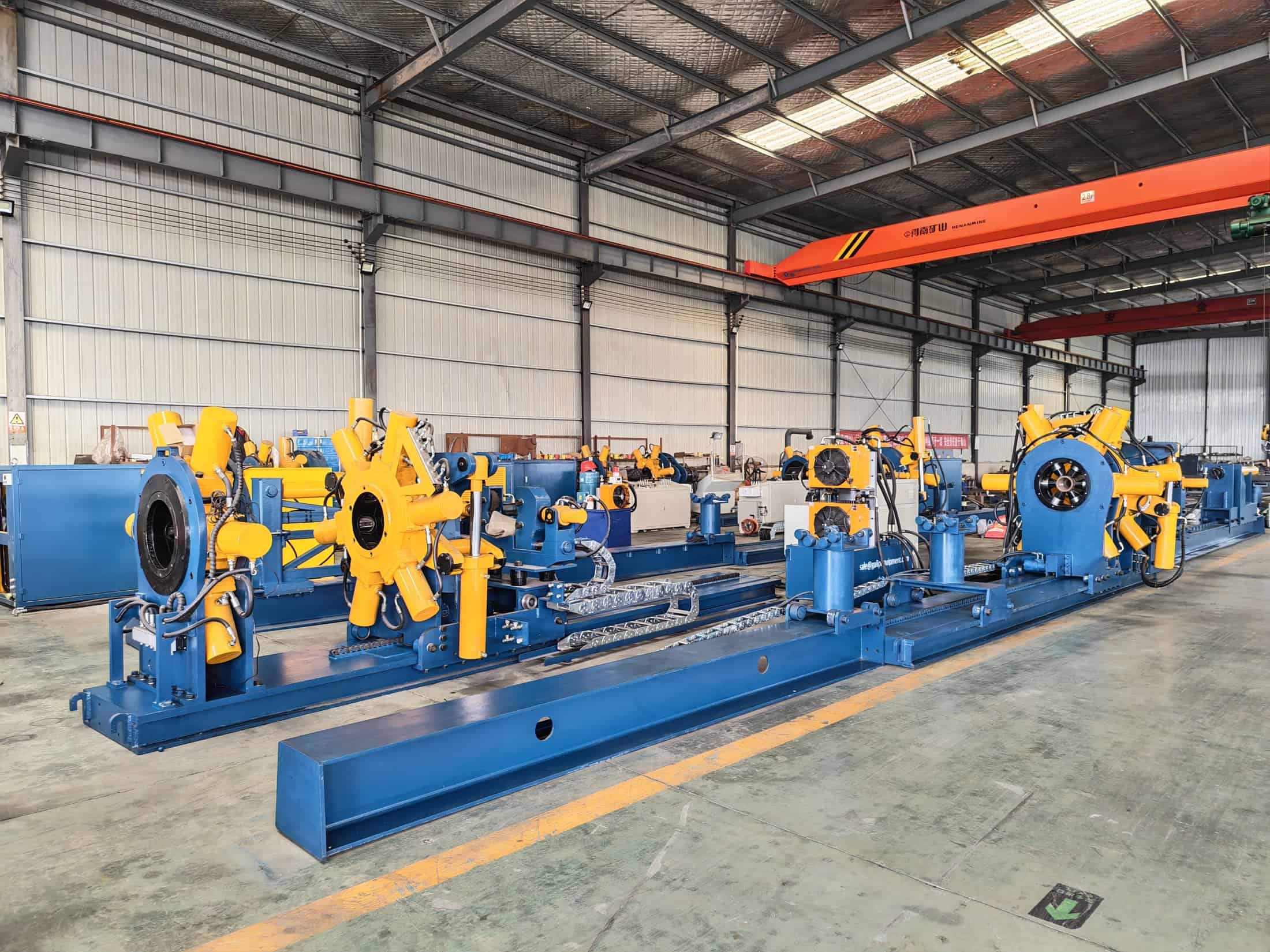
Recommended high-volume cell layout logic
| Cell stage | What happens there |
|---|---|
| Incoming queue | Items are tagged by work order, customer, pad/well, connection, and priority before they reach the bucking unit. |
| Setup point | Operator confirms support height, jaw/tooling choice, procedure basis, and report name before make-up starts. |
| Make-up station | Bucking unit controls the make-up and displays the curve for operator/supervisor review. |
| QA review point | Supervisor checks the saved report, exception notes, and traceability fields before release. |
| Outgoing rack | Completed items are physically separated from incoming and on-hold items. |
Use hold points so one mistake does not repeat across the batch
In shale completion workshop make-up, a hold point is a deliberate pause where the operator or supervisor confirms that the job is still under control. In high-volume shale work, hold points are essential because the same error can repeat quickly.
The first item in a batch should always be treated as a verification job. Review the setup, make-up result, and report before running the rest. The same rule applies after shift change, jaw/tooling change, abnormal curve behavior, or an urgent schedule change.
This does not slow the workshop down in the long run. It prevents the expensive version of slow: reworking a full batch because nobody stopped after the first warning sign. The same first-item discipline appears in our buyer acceptance checklist for new machines.
Report discipline is throughput discipline
For shale completion workshop make-up, report discipline is part of throughput. A job is not truly complete until the record can be found, matched to the component, and reviewed by the customer or internal QA team. Reliable connection traceability is what lets that record survive shift changes and customer review.
The record should not only say that a target value was reached. It should make the job easy to understand later: what item was worked, which procedure applied, who ran the job, what curve/report was saved, whether anything unusual happened, and who released the item.
This is where the bucking unit helps commercially. Galip’s bucking-unit page emphasizes torque/turn recording and PDF/Excel export. In high-volume shale work, the message is simple: these jobs need records that survive shift changes, batch pressure, and customer review.
Minimum record fields for repeated shale completion jobs
| Record group | Fields to capture |
|---|---|
| Job identity | Customer, work order, pad/well if applicable, batch number, and due date. |
| Component identity | Component type, serial number, size, connection family, and position in the assembly if applicable. |
| Procedure basis | Customer work instruction, connection-owner procedure, torque range, compound requirement, and any witness requirement. |
| Make-up record | Saved curve/report, final result, operator, time, and any exception note. |
| QA release | Reviewer name, review time, release status, and rework/hold decision if applicable. |
How to think about throughput without hiding quality problems
A workshop should not measure shale completion workshop make-up performance only by peak torque. Peak torque matters, but a shale completion support shop also has to ask how many acceptable, documented jobs can be released per shift.
The useful metric is not raw cycle time. It is accepted jobs per shift after setup, report saving, QA review, rework, maintenance interruptions, and handover are included. A machine that runs fast but creates missing reports or repeated rejects is not actually a high-throughput solution.
When specifying a bucking unit for shale completion work, buyers should send the daily output target, product mix, OD range, torque range, connection families, reporting requirements, and floor-space limitations. That allows the manufacturer to configure the machine around the real workload rather than a single maximum value.
What a bucking unit helps prevent in repeated jobs
High-volume shale completion support work has a specific failure pattern: the shop does not fail because nobody knows how to make up one connection. It fails because the same avoidable mistake repeats across the batch. Poor thread discipline is one of the most common — see the common galling causes during premium make-up.
A bucking unit helps reduce this risk when the workshop uses it as part of a controlled system. The machine supports stable make-up and saved records, but the people around the machine must still enforce batching, hold points, report names, tooling inspection, and release discipline. In practice, it helps prevent:
- Repeated setup errors after a rushed batch start.
- Operator variation between shifts without a clear job handover.
- Missing or misnamed reports that cannot be matched to the component later.
- Unnoticed abnormal curve behavior that should have triggered a hold point.
- Excessive rework because quality review happens only after the batch is finished.
- Buyer confusion when a quotation is based only on maximum torque instead of workload.
For service companies, this is the practical message: Galip is not only selling force. Galip is helping shops build a controlled make-up process that can handle repeated shale completion workload without losing traceability.
Stop / continue table for high-volume shale jobs
| Decision | Trigger |
|---|---|
| Stop the batch | First item does not match expected setup or report identity. |
| Stop the batch | Curve behavior looks abnormal compared with the approved procedure or previous acceptable jobs. |
| Stop the batch | Slippage, marking, unusual noise, or movement is observed. |
| Stop the batch | Report cannot be saved, found, or matched to the item. |
| Stop the batch | Shift handover is unclear or the active job/profile is uncertain. |
| Continue with note | Minor housekeeping issue corrected before the next item and recorded in the job note. |
RFQ checklist for shale completion service workshops
For a shale completion workshop, the best bucking-unit RFQ is not “quote your standard model.” The buyer should describe the repeatable workload. Galip can then match the configuration to OD range, torque range, tool families, support needs, reporting needs, and daily output target.
- Product mix: completion tools, subs, pup joints, drill-out assemblies, BHA components, repair/rework jobs, or customer-specific assemblies.
- Minimum and maximum OD range handled in the same cell.
- Typical and peak make-up/break-out torque requirements.
- Connection families and approved procedures used by customers.
- Daily output target in accepted, documented jobs per shift.
- Expected setup changes per day: OD changes, tooling changes, connection changes, customer changes.
- Report requirements: PDF, Excel, customer witness package, internal QA template, file naming rules.
- Available workshop space, crane/forklift access, incoming/outgoing racks, and maintenance access.
- Surface protection needs for premium, chrome, CRA, or damage-sensitive components.
- Training, spare parts, commissioning, and first-batch support requirements.
FAQ
Is a bucking unit useful for shale completion support work?
Yes, when the workshop handles repeated make-up or break-out jobs and needs controlled operation, consistent records, and a cleaner QA release process. The exact configuration depends on OD range, torque range, tool family, connection requirements, and daily workload.
Is maximum torque the most important buying factor?
No. Maximum torque matters, but high-volume shale workshops should also evaluate setup change time, support layout, tooling, report workflow, operator access, maintenance access, and the number of accepted documented jobs per shift.
Does the bucking unit replace the connection manufacturer procedure?
No. The machine supports the approved procedure; it does not replace the connection owner’s latest make-up requirements, customer work instruction, or inspection criteria.
What should QA review after each batch?
QA should review job identity, component identity, saved report, curve/result, exception notes, and release status. In high-volume work, missing file identity can create almost as much trouble as a physical rework.
When should a high-volume batch be stopped?
Stop after abnormal curve behavior, slippage, unclear setup, report failure, questionable handover, or a first-item result that does not match the approved expectation. Stopping early prevents the same issue from repeating across the batch.
Send Galip your OD range, torque range, product mix, connection families, daily output target, report format, and workshop layout. Galip can recommend a configuration focused on controlled make-up, repeatability, and audit-ready records.
Expert Consultation
Need more information on optimizing your equipment performance? Our engineering team is available for technical consultations.
Request a Quote
Tell us about your requirements and our engineering team will prepare a detailed proposal with specifications, pricing, and delivery timeline.
