
Torque Master: The Premier Breakout Unit for the Oil and Gas Industry
A practical look at what buyers really want from a breakout unit sold into oilfield service: stiffness, control, predictable gripping, and less drama when a connection finally moves.
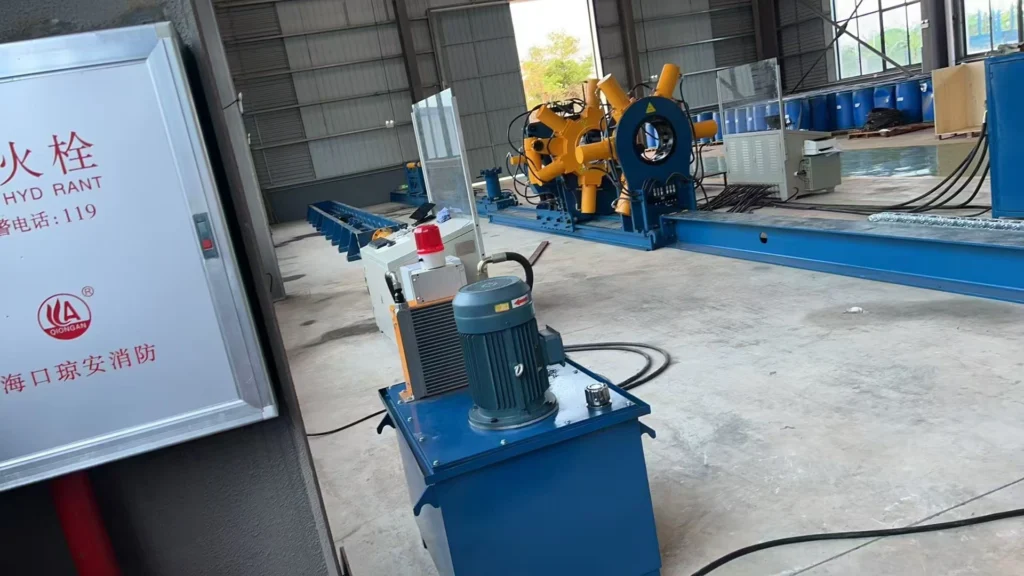
Nobody on a service floor calls a breakout unit premier because of the brochure. The label only means something after the machine has seen difficult joints, changing crews, and the kind of production pressure that exposes weak equipment quickly.
That is why breakout units are judged in very practical terms. Does the machine grip properly? Does it hold alignment? Does it apply force in a controlled way when the connection is finally ready to let go? Those are the questions that matter once the unit is on the floor.
What earns trust in the first week
Crews trust a breakout unit when it removes wrestling from the job. A stubborn connection still takes torque, but the event feels controlled instead of chaotic. The joint stays supported, the operator can read what is happening, and the machine does not make release look like an accident waiting for permission.
That first-week impression is important because it tells buyers whether the machine will reduce improvisation or simply give the crew a more expensive way to improvise.
Why control beats brute force
Oilfield connections do not all release the same way. Corrosion, compound condition, field wear, and previous handling all change the breakout behavior. Extra power helps only if the unit stays stable at the moment the connection breaks loose.
That is why gripping, frame stiffness, reaction control, and operator visibility matter as much as raw hydraulic capacity. Force without control is just a different kind of risk.
- Stable gripping across the range you actually run.
- Enough stiffness that the joint does not walk when torque rises sharply.
- Controls that let the operator manage the release instead of waiting for it.
- Changeover that suits production reality, not only ideal workshop conditions.
What a buyer should still ask before ordering
Even strong-looking equipment can be a bad fit if the job mix is wrong. Buyers should ask about the actual pipe range, surface sensitivity, maintenance access, and how the machine behaves when the connection is damaged or unusually tight.
Those questions sound ordinary, but they are usually the difference between a unit that becomes part of the workflow and one that is only impressive on the sales page.
If you are sizing equipment for stubborn field connections, Galip’s breakout unit line is the best place to continue, and you can send your operating range to the team for a more useful discussion.
Expert Consultation
Need more information on optimizing your equipment performance? Our engineering team is available for technical consultations.
Request a Quote
Tell us about your requirements and our engineering team will prepare a detailed proposal with specifications, pricing, and delivery timeline.
