
Rotational vs Traditional Bucking Units: Decision Matrix for Make/Break Efficiency and Risk
Comparing rotational and traditional setups is only useful when the decision is tied to workload profile, risk tolerance, and support capability. This page presents a practical decision matrix instead of generic feature lists. Keep broad BU product intent on the cluster pillar page and use this article for comparative evaluation intent. #image_title Execution note: maintain…
Comparing rotational and traditional setups is only useful when the decision is tied to workload profile, risk tolerance, and support capability. This page presents a practical decision matrix instead of generic feature lists. Keep broad BU product intent on the cluster pillar page and use this article for comparative evaluation intent.
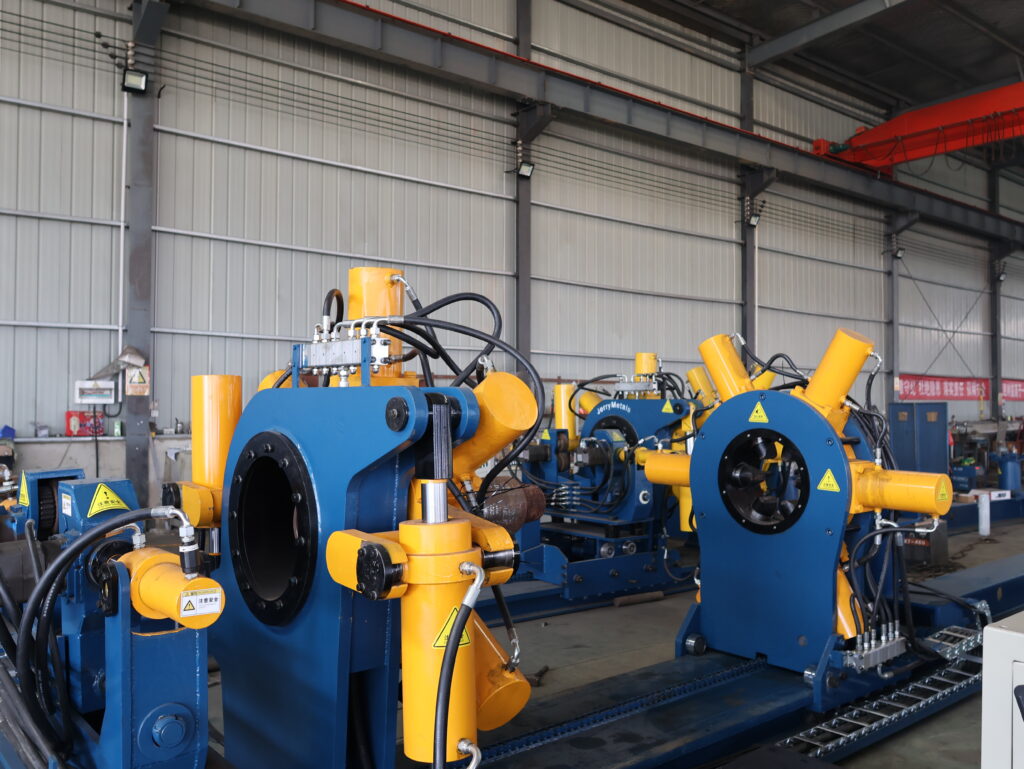
Execution note: maintain one clear sub-intent per article and route broad BU intent to the main BU page to avoid cannibalization.
Define the Decision Context First
Start with connection mix, quality targets, throughput requirement, and field constraints. Without context, equipment comparison becomes misleading. Decision quality depends on matching system behavior to actual operating conditions.
Efficiency Comparison Beyond Headline Speed
Rotational systems may improve cycle time, but true efficiency includes changeover loss, QA interruptions, and rework burden. Traditional setups can still outperform when workflows are stable and complexity is lower. Use total-cycle efficiency, not isolated speed claims.
Risk Profile: Where Each Setup Fails
Rotational setups can introduce complexity risk if crew readiness and process controls are weak. Traditional setups can limit agility under high-mix demand. Evaluate failure modes explicitly before selecting the architecture.
Cost and Support Reality Check
Include lifecycle cost, spares, service responsiveness, and training overhead in the comparison. Lower purchase price does not guarantee lower operating cost. Support model quality often determines real long-term value.
Decision Matrix for Procurement and Operations
Use a weighted matrix across efficiency, quality risk, maintainability, and ROI horizon. Keep scoring transparent and review assumptions with operations and QA together. The best choice is the one that sustains both output and acceptance confidence.
Implementation Checklist
- Validate title/H1/focus alignment before publish.
- Keep three contextual BU-hub links where relevant.
- Use intent-specific FAQ only.
- Document deviations in cluster control sheet.
FAQ
Is rotational always the better option?
Not always. It depends on workload variability, crew capability, and support infrastructure.
What metric should break a close decision?
Use rework-adjusted productivity and acceptance consistency, not just nominal cycle speed.
Can teams transition gradually from traditional to rotational?
Yes, phased adoption with pilot validation is usually safer than full immediate replacement.
Cluster governance: this page is rewritten to reduce overlap and reinforce BU cluster hierarchy.
Expert Consultation
Need more information on optimizing your equipment performance? Our engineering team is available for technical consultations.
Request a Quote
Tell us about your requirements and our engineering team will prepare a detailed proposal with specifications, pricing, and delivery timeline.

Send your inquiry
Use the existing contact workflow so the section stays editable inside Bricks without a custom HTML form block.