
Oilfield Connections That Should Be Made Up With a Bucking Unit
Learn which oilfield connections need a bucking unit, how torque-turn control prevents failures, and the checklist that improves make-up quality.
Oilfield connections should be made up with control, not guesswork. In most operations, a bucking unit gives that control. It helps crews apply stable torque, low and steady RPM, and clean alignment. As a result, teams protect thread profiles, reduce galling risk, and improve connection integrity.
This guide is for workshop teams, field supervisors, and maintenance crews in oil and gas. It explains which connections need tighter control, why torque-turn data matters, and how to build a repeatable make-up process.
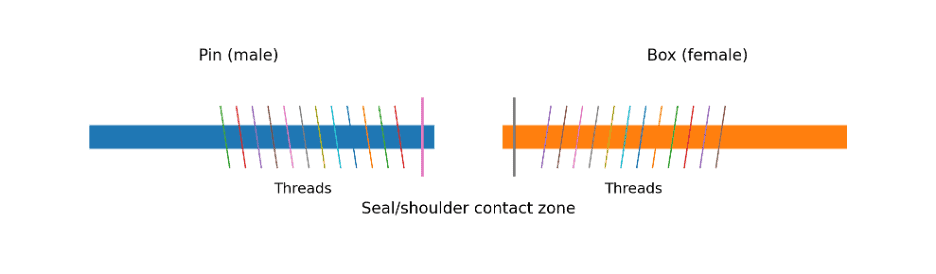
What counts as an oilfield connection?
In simple terms, an oilfield connection is a threaded joint between tubulars or tools. You will see these joints on casing, tubing, drill string components, and completion assemblies. Although the geometry looks familiar, each connection family needs its own make-up procedure.
- First, API round thread connections offer broad availability and straightforward field use.
- Second, API buttress connections provide higher load capacity for many casing jobs.
- Third, premium connections target high sealability, fatigue resistance, and tighter tolerance windows.
Therefore, one torque chart does not fit every joint. Teams should confirm connection type, size, and recommended final make-up position before work starts.
Why a bucking unit matters for premium and high-risk jobs
A bucking unit grips both sides of the connection and controls rotation. Because it stabilizes the joint, crews can monitor torque-turn behavior with less variation. Moreover, the system supports documented quality checks when clients request traceable make-up records.
For practical reference, you can review our bucking unit for premium thread connections. This page shows common use cases for controlled make-up workflows.
Connections that benefit most from torque-turn control
- Premium OCTG casing and tubing: These joints rely on precise shoulder and seal contact.
- Large-diameter casing: High torque plus poor alignment can damage threads quickly.
- Completion string assemblies: Multiple interfaces require repeatable make-up quality.
- Workover re-make jobs: Controlled handling reduces damage across repeated cycles.
- Client acceptance jobs: Many customers require torque-turn records per connection group.

API vs premium: what changes in make-up practice?
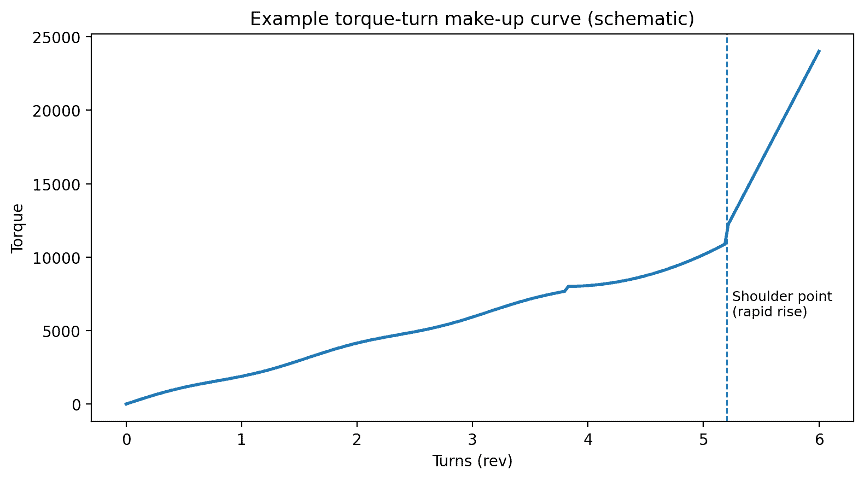
API connections can run successfully with standard control methods. However, premium designs usually demand tighter monitoring. In premium operations, crews often hold lower RPM in the sealing phase and watch the torque-turn curve for early warning signs.
Consequently, if a curve rises too early, stalls, or shifts shoulder behavior, teams should stop and inspect. Early intervention prevents expensive downstream failures.
Practical make-up checklist for field and workshop teams
- Confirm the exact connection specification. Match charts to thread family, size, and service condition.
- Inspect pin and box surfaces. Remove debris, check seal faces, and reject damaged protectors.
- Apply the correct compound correctly. Use the recommended amount and full thread coverage.
- Start straight and by hand. If resistance appears early, stop and inspect before power rotation.
- Control RPM in the seal phase. Keep speed low and stable to protect sealing surfaces.
- Monitor torque-turn continuously. Compare curve shape against known-good signatures.
- Stop at final target values. Do not over-bump to chase a higher number.
- Record traceable data. Store torque, turns, remarks, and joint IDs for QA and client review.
Common failure causes and fast prevention actions
Most failures come from avoidable process gaps. For example, cross-threading often starts with poor stabbing alignment. Likewise, galling often follows contamination or wrong lubrication coverage. In addition, over-torque can deform shoulders and compromise seal performance.
To reduce those risks, standardize pre-job checks, train operators on curve interpretation, and audit records regularly. If your team needs setup support, you can contact Galip about bucking units.
External technical references
- API Standards overview for broader context on standards and practices.
- Odfjell Technology resources discussing casing make-up torque-turn guidance.
- Hunting PLC technical materials on premium threaded connection running procedures.
FAQ
Do all connections need torque-turn monitoring?
Not always. Still, torque-turn monitoring adds value in most operations, and it is especially important for premium, gas-tight, or high-consequence connections.
Is a bucking unit only useful at very high torque?
No. The main advantage is repeatability and control. High torque capacity helps, but alignment quality and process consistency deliver the bigger benefit.
How can teams reduce galling risk quickly?
Keep threads clean, apply the correct compound, control RPM, and stop early when curve behavior looks abnormal. These four actions prevent many avoidable failures.
Conclusion
In short, a bucking unit is the right choice when connection integrity, traceability, and repeatability matter. By using clear procedures, active monitoring, and stable equipment, teams protect both uptime and connection quality. If you want a practical recommendation for your operation, review our product pages and reach out for a tailored setup plan.
Expert Consultation
Need more information on optimizing your equipment performance? Our engineering team is available for technical consultations.
Request a Quote
Tell us about your requirements and our engineering team will prepare a detailed proposal with specifications, pricing, and delivery timeline.
