
What a makeup torque machine actually changes in the bay, from stab quality and alignment to readable final torque and fewer arguments over whether a joint was made up correctly.
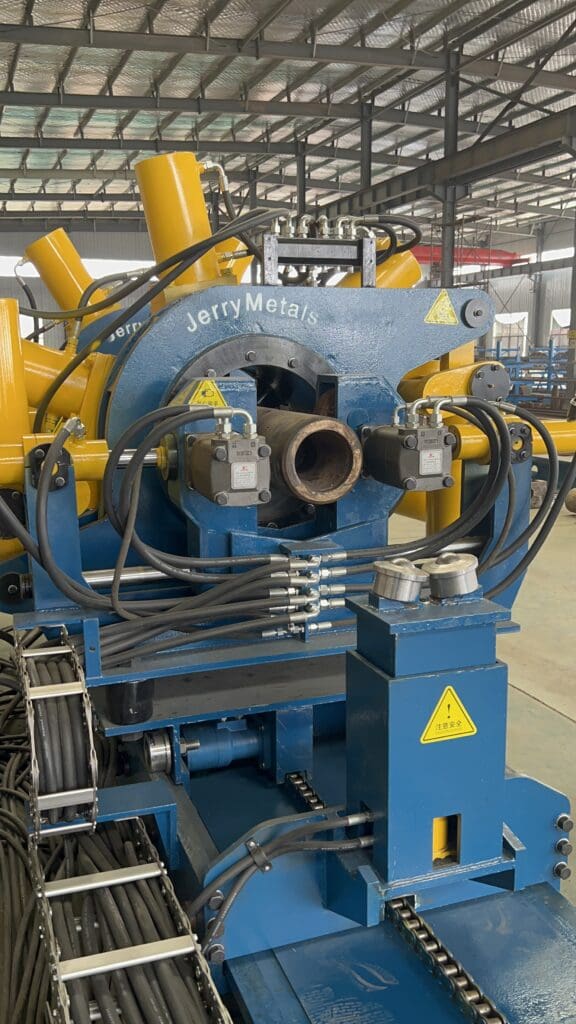
A makeup machine proves its value in the joints that would otherwise turn into arguments. On easy work, almost anything looks acceptable. The difference shows up when thread condition varies, shift pressure rises, and the operator needs the process to stay calm anyway.
That is the real point of a makeup torque machine. It is not there to make torque. It is there to help the shop start the thread cleanly, keep the joint centered, and finish the cycle with data and operator confidence pointing in the same direction.
What experienced operators actually want from the machine
Most operators are not chasing headline numbers. They want clean stab-in, stable rotation, predictable shoulder approach, and enough visibility that an abnormal joint can be stopped before it becomes a remake. In other words, they want the machine to make the correct process easier than the rushed one.
That sounds simple, but it only happens when clamping, alignment, speed control, and the final make-up stage all work together. One weak point is enough to turn a controlled cycle into guesswork.
Where bad make-up starts before torque ever rises
A lot of make-up trouble starts long before the final torque number. Dirty dies, poor support, bad dope application, thread damage, or a recipe left over from the wrong connection family can all push the joint off course while the machine is still technically doing what it was told.
That is why the best shops treat the machine as one part of a controlled cell. Inspection, preparation, setup, and operator pause discipline matter as much as the hardware itself.
- Check alignment and gripping condition before the first joint of the shift.
- Confirm the active recipe matches the connection family on the floor.
- Stop on abnormal sound, erratic torque rise, or visible misalignment instead of trying to save the cycle with more force.
Questions worth settling before you buy or reconfigure one
Buyers get better outcomes when they think about range, changeover, and record quality early. Pipe size range matters, but so does how quickly the machine can move from one job to the next without inviting operator improvisation.
If the work includes premium connections or customer scrutiny, the conversation also needs to include data. A machine that runs smoothly but leaves the team unable to explain what happened during make-up is only solving half of the problem.
If you are comparing systems for controlled make-up work, Galip’s bucking unit range is the logical next step, and the team can review your pipe range and torque window before you commit.
Related equipment: see the Galip hydraulic breakout unit.
Expert Consultation
Need more information on optimizing your equipment performance? Our engineering team is available for technical consultations.
Request a Quote
Tell us about your requirements and our engineering team will prepare a detailed proposal with specifications, pricing, and delivery timeline.
