
Introduction to Galip Trenchless and Oil Equipment
A straightforward introduction to Galip’s trenchless and oilfield equipment range, framed around where each product family fits in a real drilling or connection-handling workflow.
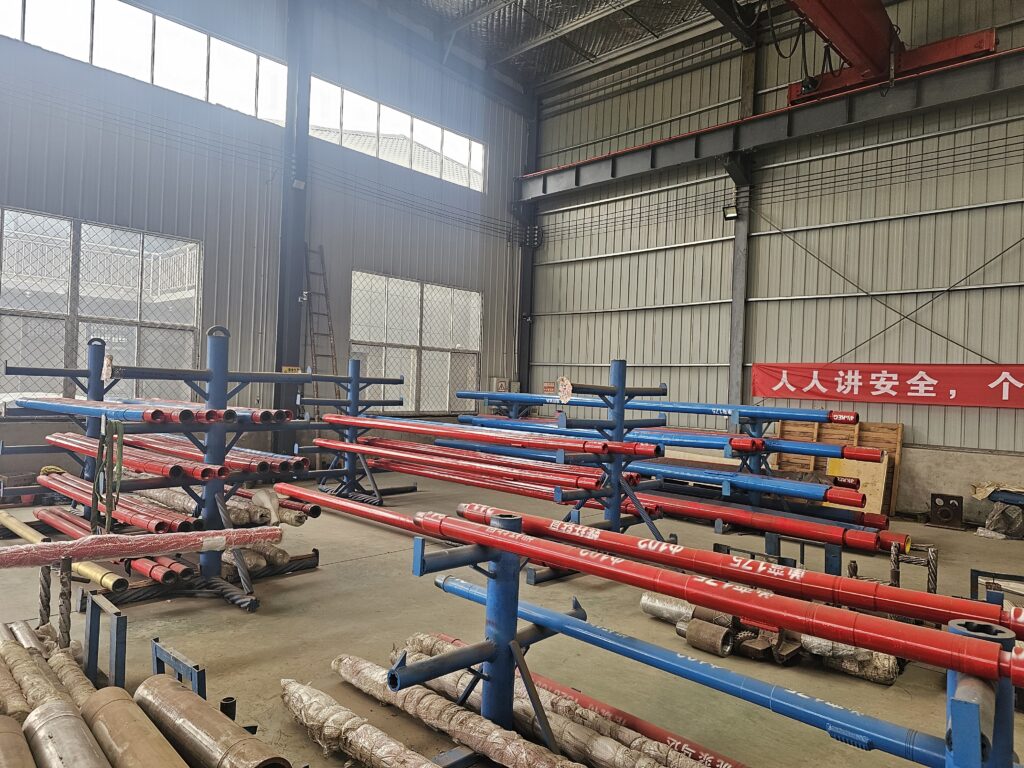
Galip’s catalog reads better when you picture the job sequence, not the menu of products. Buyers in trenchless and oilfield work are rarely shopping for abstract equipment categories. They are usually trying to remove friction from a specific stage of the job.
That makes a simple company introduction more useful than a broad one. The question is not just what Galip makes. The better question is where each product family fits once the work starts moving on the floor, in the yard, or at the drilling site.
Where Galip tends to show up in the workflow
Galip’s equipment is most relevant when a team is handling threaded connections, supporting drilling assemblies, or sourcing specialized components that sit too close to production risk to be treated as generic hardware.
In practice, that means make-up and break-out work, drilling motor support, HDD tooling, and related equipment that has to do more than exist on the purchase order. It has to behave predictably in a workflow that is already expensive when something drifts out of control.
The product families worth understanding first
A quick way to read the range is to separate it by the job it helps control. Bucking units and breakout units deal with threaded connection handling. Mud motors and related drilling tools support downhole or trenchless drilling performance. Then there are the specialized supporting items that matter because they keep the main process honest.
That workflow view is helpful because it stops buyers from comparing unrelated tools only by product name. A yard trying to control premium thread make-up should not think about equipment the same way an HDD contractor thinks about steering performance and downhole response.
- Connection-handling equipment for make-up, break-out, and shop control.
- Drilling support equipment for trenchless and oilfield applications.
- Specialized components that sit around the critical tool string and supporting process.
How buyers usually narrow the choice
The first useful filter is the job environment: yard, service shop, rig support, or trenchless crew. The second is the operating risk: damaged threads, unstable make-up quality, poor breakout control, drilling response, or inadequate fit between tool and workflow.
Once those two things are clear, the product conversation gets much easier. Buyers stop asking for a general recommendation and start asking the kind of question that leads to a better fit.
If you want to map the product range to your own workflow, start with Galip’s products page and then ask for a technical discussion around the stage of the job you are trying to tighten up.
Expert Consultation
Need more information on optimizing your equipment performance? Our engineering team is available for technical consultations.
Request a Quote
Tell us about your requirements and our engineering team will prepare a detailed proposal with specifications, pricing, and delivery timeline.

Send your inquiry
Use the existing contact workflow so the section stays editable inside Bricks without a custom HTML form block.