
Bucking Unit Operations: Must-Have Torque-Turn Graph Guide
Mastering bucking unit operations starts with the torque-turn graph—an essential tool that ensures secure pipe connections by visualizing torque and rotation in real-time. Learn how this graph keeps your operations safe and efficient!
- What Is a Bucking Unit?
- The Importance of Proper Torque in Pipe Connections
- What Is a Torque-Turn Graph?
- How Does the Torque-Turn Graph Work?
- Why Is the Torque-Turn Graph Important in Bucking Unit Operations?
- 1. Ensures Consistent and Reliable Connections
- 2. Detects Potential Issues Early
- 3. Validates Proper Makeup Procedures
- How to Interpret a Torque-Turn Graph
- Applications of Torque-Turn Analysis in the Oilfield
- Conclusion: The Role of Torque-Turn in Efficient Operations
Understanding Bucking Unit Operations: The Torque-Turn Graph and Its Significance
Bucking unit operations are a critical aspect of tubular running processes in the oil and gas industry. These operations ensure that threaded connections between pipes are properly secured to prevent leaks or failures under high-pressure conditions. One of the most important tools used in these operations is the torque-turn graph, which provides valuable insights into the connection’s integrity. This article explores what the torque-turn graph means, how it works, and why it is essential in bucking unit operations.
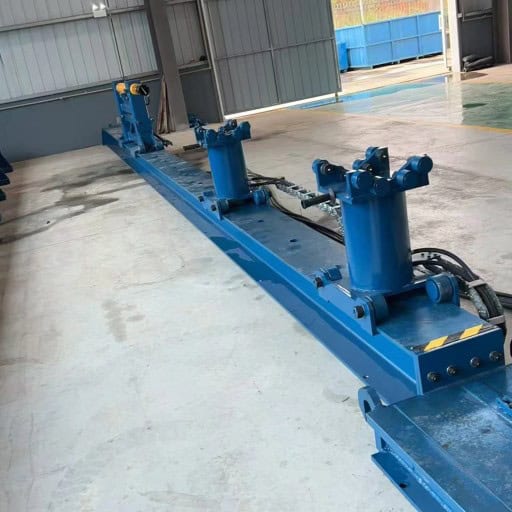
What Is a Bucking Unit?
Before diving into the torque-turn graph, it’s important to understand the role of a bucking unit. A bucking unit is a hydraulic or pneumatic device used to make up (tighten) and break out (loosen) threaded pipe connections. Common in drilling, completions, and workover operations, these units ensure that threaded connections meet industry standards, preventing potential hazards like leaks or joint failures.
The Importance of Proper Torque in Pipe Connections
Applying the correct torque is crucial when connecting tubulars. Too little torque can result in a weak connection that may fail under pressure, while excessive torque can damage threads or deform the pipe. This is where the torque-turn graph becomes an invaluable tool.
What Is a Torque-Turn Graph?
A torque-turn graph is a visual representation of the torque applied versus the rotation (turn) during the makeup of a threaded connection. It plots torque (force required to rotate) on the Y-axis and turns (degrees of rotation) on the X-axis. This graph helps operators:
- Monitor the tightening process in real-time.
- Verify that connections meet required specifications.
- Detect potential issues like galling, cross-threading, or improper lubrication.
How Does the Torque-Turn Graph Work?
- Initial Engagement (Shoulder Contact) – The graph typically starts with a gradual increase in torque as the threads engage, followed by a steeper rise when the connection reaches the shoulder (the point where metal-to-metal sealing occurs).
- Plastic Deformation (Final Tightening) – After the shoulder contact, a controlled amount of additional rotation is applied, leading to plastic deformation (permanent tightening) of the threads. This ensures a secure seal.
- Final Torque Value – The peak torque is recorded, confirming that the connection has been tightened to industry or manufacturer specifications.
If the graph deviates from the expected profile—such as showing an erratic torque spike or insufficient turn—it may indicate a problem that needs immediate attention.
Why Is the Torque-Turn Graph Important in Bucking Unit Operations?
The torque-turn graph serves multiple essential functions:
1. Ensures Consistent and Reliable Connections
By tracking torque and rotation, operators can ensure that every connection meets the required standards. This minimizes the risk of failures during drilling or production.
2. Detects Potential Issues Early
Abnormalities in the graph—like unexpected torque drops or spikes—can indicate:
- Cross-threading: Misaligned threads leading to connection damage.
- Lubrication Problems: Insufficient thread compound causing excessive friction.
- Galling: Metal surfaces welding together due to excessive heat and friction.
Identifying these issues early prevents costly downtime or equipment failures.
3. Validates Proper Makeup Procedures
Different tubular connections require specific torque-turn profiles based on their design and application. The graph ensures compliance with these procedures, reducing human error.
How to Interpret a Torque-Turn Graph
Understanding the graph involves analyzing key sections:
- Initial Ramp-Up (Torque Building Smoothly) – Indicates proper thread engagement.
- Shoulder Contact Point (Sharp Increase in Torque) – Confirms metal-to-metal sealing has been achieved.
- Plastic Deformation Region (Controlled Turn with Increasing Torque) – Shows proper tightening beyond the shoulder.
- Final Torque Plateau (Stabilization of Applied Torque) – Indicates that the connection is fully made up.
If the graph shows irregularities (e.g., jagged lines or no shoulder peak), further inspection is required before proceeding with operations.
Applications of Torque-Turn Analysis in the Oilfield
Beyond just bucking unit operations, torque-turn analysis is used in:
- Casing and Tubing Running: Ensures long-term well integrity.
- Drill Pipe Connections: Maintains reliability under high-stress drilling conditions.
- Subsea and Surface Wellhead Tie-Ins: Prevents leaks in critical installations.
Conclusion: The Role of Torque-Turn in Efficient Operations
The torque-turn graph is an essential tool in bucking unit operations, providing real-time feedback on the quality and security of threaded connections. By analyzing torque and rotation simultaneously, operators can prevent failures, reduce downtime, and ensure operational efficiency. Whether in drilling, completions, or well interventions, understanding and utilizing this graph is key to maintaining safety and performance in the oil and gas industry.
By leveraging torque-turn data, companies can optimize their bucking unit operations, ensuring that every connection meets the highest standards of performance and reliability
Primary Bucking Unit Reference: For full specifications, model comparison, and QA workflow, visit the bucking unit engineering page.
Expert Consultation
Need more information on optimizing your equipment performance? Our engineering team is available for technical consultations.
Request a Quote
Tell us about your requirements and our engineering team will prepare a detailed proposal with specifications, pricing, and delivery timeline.
