
Breakout Machines: Essential Tools for Industrial Operations
A plain-language explanation of why breakout machines matter in repair shops, tool service, and industrial disassembly work where stubborn threads stop being just a manpower problem.
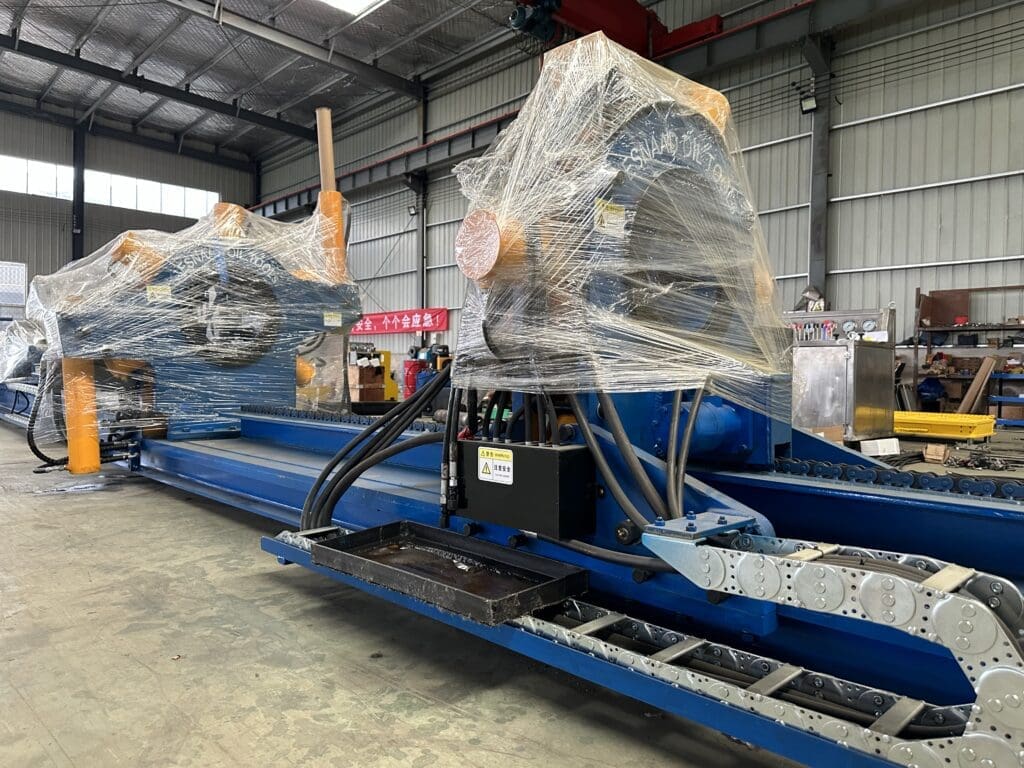
A breakout machine becomes essential the day a shop stops treating stubborn threads as a manpower problem. Once the hardware is expensive enough, the volume is high enough, or the safety exposure is obvious enough, more muscle is no longer a real strategy.
That is why breakout machines show up in more places than people expect. Oilfield service may be the obvious example, but the same need appears anywhere a shop has to separate threaded assemblies without wrecking parts or wasting hours on improvised methods.
What 'industrial operations' usually means here
The phrase sounds broad because it is broad. Repair facilities, service centers, manufacturing support shops, tool maintenance yards, and specialized equipment rebuild operations all run into the same basic issue: some threaded assemblies do not come apart cleanly by hand, and forcing them the wrong way creates more cost than it saves.
A breakout machine gives those shops a controlled answer. It turns a hard-to-manage event into something repeatable enough to build a process around.
What the machine replaces
Good breakout equipment replaces the slow drift toward bad habits: oversize hand tools, too many people crowding the same job, repeated shock loading, or decisions based on feel alone. Those methods survive because they sometimes work, not because they are the best way to protect the hardware.
Once a shop starts to care about repeatability, surface condition, and cycle time, the machine stops looking like a luxury and starts looking like basic process control.
- Less dependence on improvised force and operator heroics.
- Better protection for expensive or reusable threaded parts.
- More predictable cycle times when difficult joints are part of normal work.
How shops decide whether the investment is worth it
The simplest test is not the purchase price. It is the total cost of continuing without the machine. That includes damaged parts, slow disassembly, rework, safety exposure, and the bottleneck effect that shows up when one difficult threaded assembly ties up good people for too long.
When the machine removes those repeated losses, the justification usually becomes obvious very quickly.
If your shop is weighing manual disassembly against controlled breakout equipment, start with Galip’s breakout unit overview and then send over your operating range for a more useful recommendation.
Expert Consultation
Need more information on optimizing your equipment performance? Our engineering team is available for technical consultations.
Request a Quote
Tell us about your requirements and our engineering team will prepare a detailed proposal with specifications, pricing, and delivery timeline.

Send your inquiry
Use the existing contact workflow so the section stays editable inside Bricks without a custom HTML form block.