
Hydraulic Breakout Unit
Galip’s hydraulic breakout unit, also called a breakout machine or break out machine, breaks out and makes up threaded connections under high, controlled torque without chewing up the threads. We build each one to order at our own factory in China and price it well under Western-built machines of the same class, and every torque figure we publish is proven on the machine at the factory acceptance test before it ships.
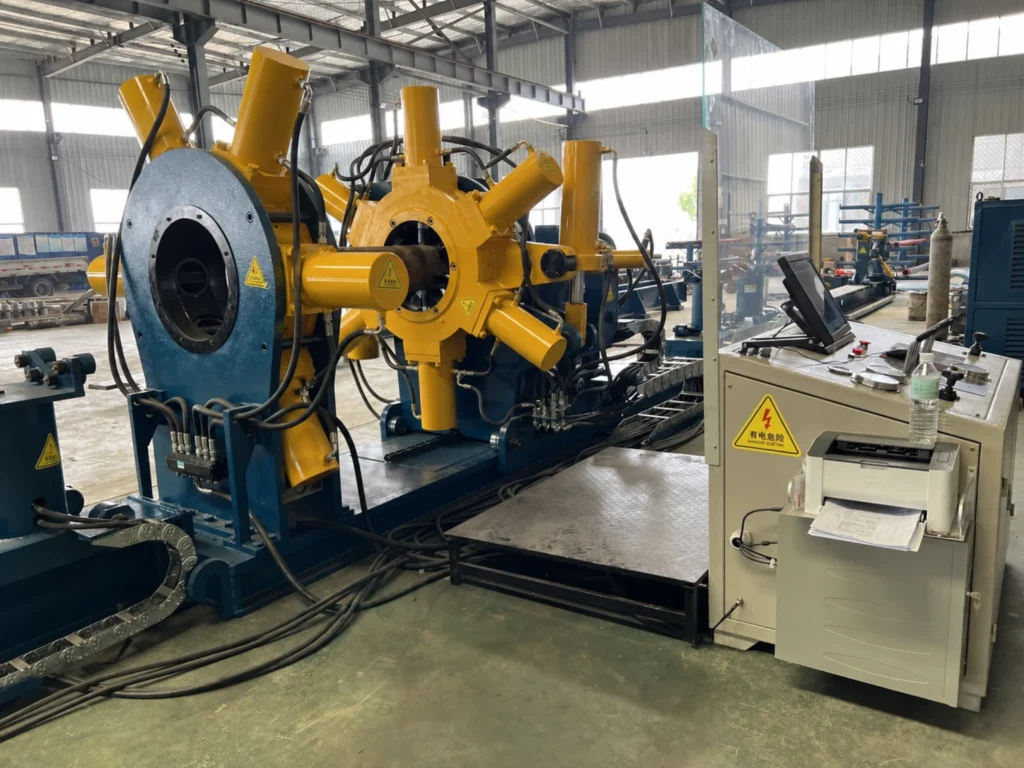
High-Torque Assembly & Disassembly
Our breakout units handle the make-up and break-out of threaded connections in oilfield workshops and service centers — drill pipe, casing, tubing, and downhole tools. The unit clamps the pipe body, backs the connection out under controlled torque, and spins it off, so a job that used to take tongs and a cheater bar becomes one clean, repeatable operation. Whether your spec sheet says “breakout” or “break out,” it’s the same hydraulic machine, built for heavy make-and-break work.
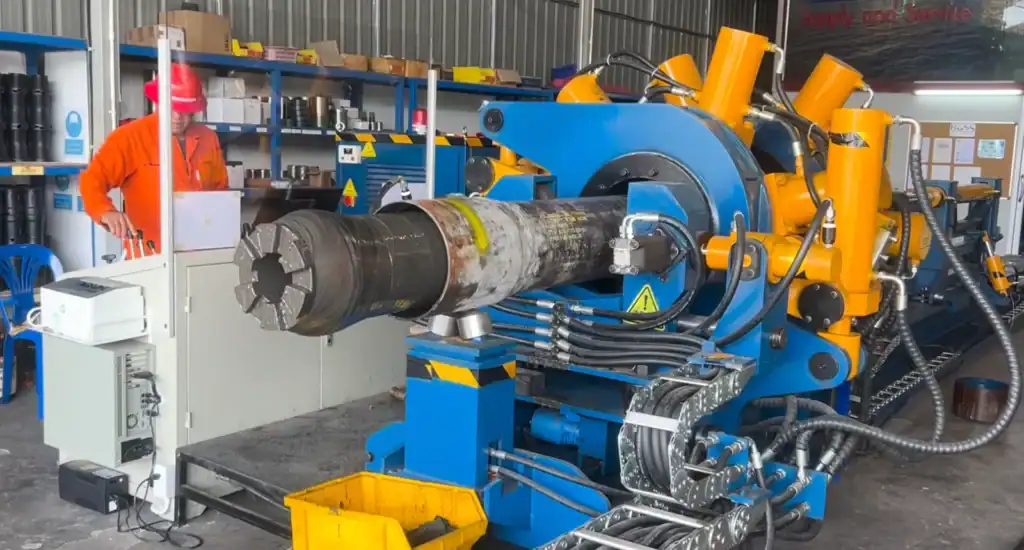
Breakout Unit Technical Specifications
As a Chinese manufacturer, our real advantage is price: a Galip breakout machine usually costs far less than a Western-built unit of the same class, for the same high-torque, controlled make and break. The models below run from the DZZR-V3510 up to the V3518, with breakout torque to 199,000 ft-lbs, and the torque, clamp range, and control package are all built to your job — higher-torque models and custom arrangements are available on request. Every rated figure is measured at the factory acceptance test before the machine ships, so you can check any number yourself.
Detailed Technical Specifications
| Spinner Speed | 100 RPM max speed |
|---|---|
| Spinner Torque Range | 1,100 - 4,000 ft-lb (1.5 - 5.4 kN·m) |
| Max Make-up Torque | Up to 160,000 ft-lb (217 kN·m) |
| Max Break-out Torque | 199,000 ft-lb (270 kN·m) |
| Torque Accuracy | +/-0.2% |
| Min. Torque | 2,000 ft-lb (2.7 kN·m) |
| Headstock Pipe Range | 2-3/4" - 18" |
|---|---|
| Tailstock Pipe Range | 2-3/4" - 18" |
| Clamping System | 6 clamping cylinders; synchronization accuracy 98% |
| Headstock TravelCustomizable | 9.8 ft (speed adjustable) |
| Base LengthCustomizable | 19.69 ft (6,000 mm) |
| Carriageway SpanCustomizable | Headstock and tailstock span 4,000 mm |
| Hydraulic Pump Type | Vane pump |
|---|---|
| Working Pressure | 2,900 PSI (20 MPa) |
| Max Working Pressure | 4,350 PSI (30 MPa) |
| Oil Tank Capacity | 600 L |
| Hydraulic CoolingOptional | 2 air-cooled radiators with automatic temperature control |
| Push/Pull CylinderCustomizable | 59" stroke (1500mm), max thrust 71,900 lbs (320 kN), max pulling force 58,500 lbs (260 kN) |
| Control Interface | 15" touch screen monitor, keyboard, mouse, stand |
|---|---|
| Operating Language | English interface, torque unit ft-lbs |
| Torque Control | Automatic stop when target torque reached |
| PDF Report Generation | Exportable PDF reports with serial numbering |
| Safety Features | Transparent safety guard, operator control levers, and guarded working area |
| Noise Level | < 80 dB(A) |
Engineered for the Job
Key Features of the Galip Breakout Unit
High-torque make-up and break-out with automated control, real-time recording, and built-in redundancy — built for service centers that need speed, precision, and defensible QA records.
High Torque Capacity
Wrenching and spinning up to 199,000 ft-lb — handle the toughest stuck and high-spec connections with confidence.
Fast Make-Up & Break-Out
100 RPM spinner for rapid connection handling, shorter cycle times, and higher daily throughput.
Automated Torque Control
Set the target torque and the system loads, monitors, and stops automatically at target — preventing overload and rework.
15-inch Touch-Screen Control
Real-time torque and turn display with an intuitive interface, plus keyboard and mouse for manual input.
Load-Cell Precision
High-sensitivity load cells calculate exact torque in real time for tight, repeatable accuracy (±0.2%).
Backup Pointer Gauges
Dual low- and high-torque analog gauges provide a physical backup so work continues even if the computer fails.
Automated PDF Reports
Serial-numbered, traceable torque-turn reports generate and store automatically for QA, audits, and customer witness.
Workpiece Handling System
Hydraulic support jacks, bolt-on extension beams, and a push/pull assembly for rotor/stator and heavy tool handling.
Service & Support
Installation and commissioning, scheduled calibration, genuine spare parts, refurbishment, and ongoing technical support.
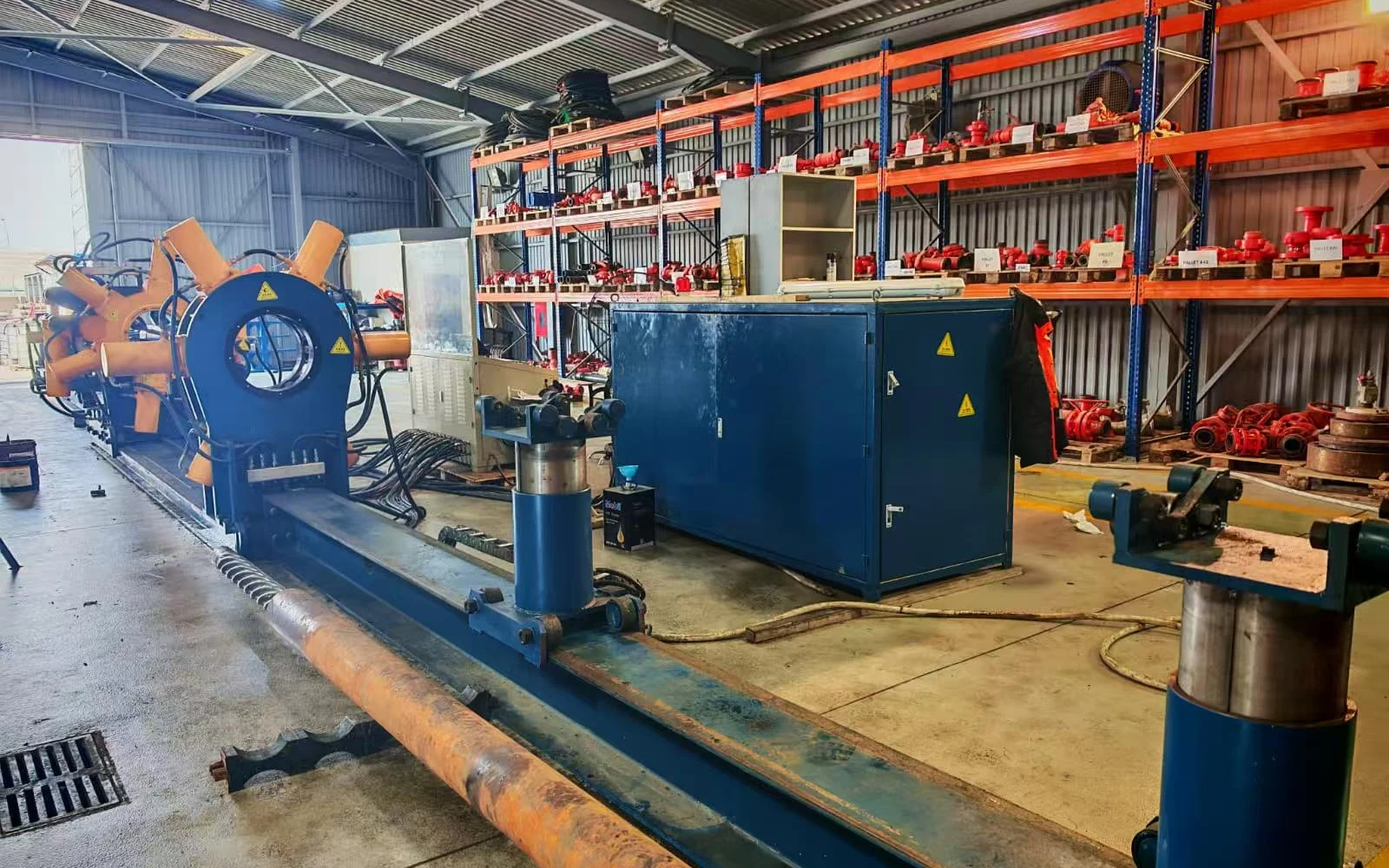
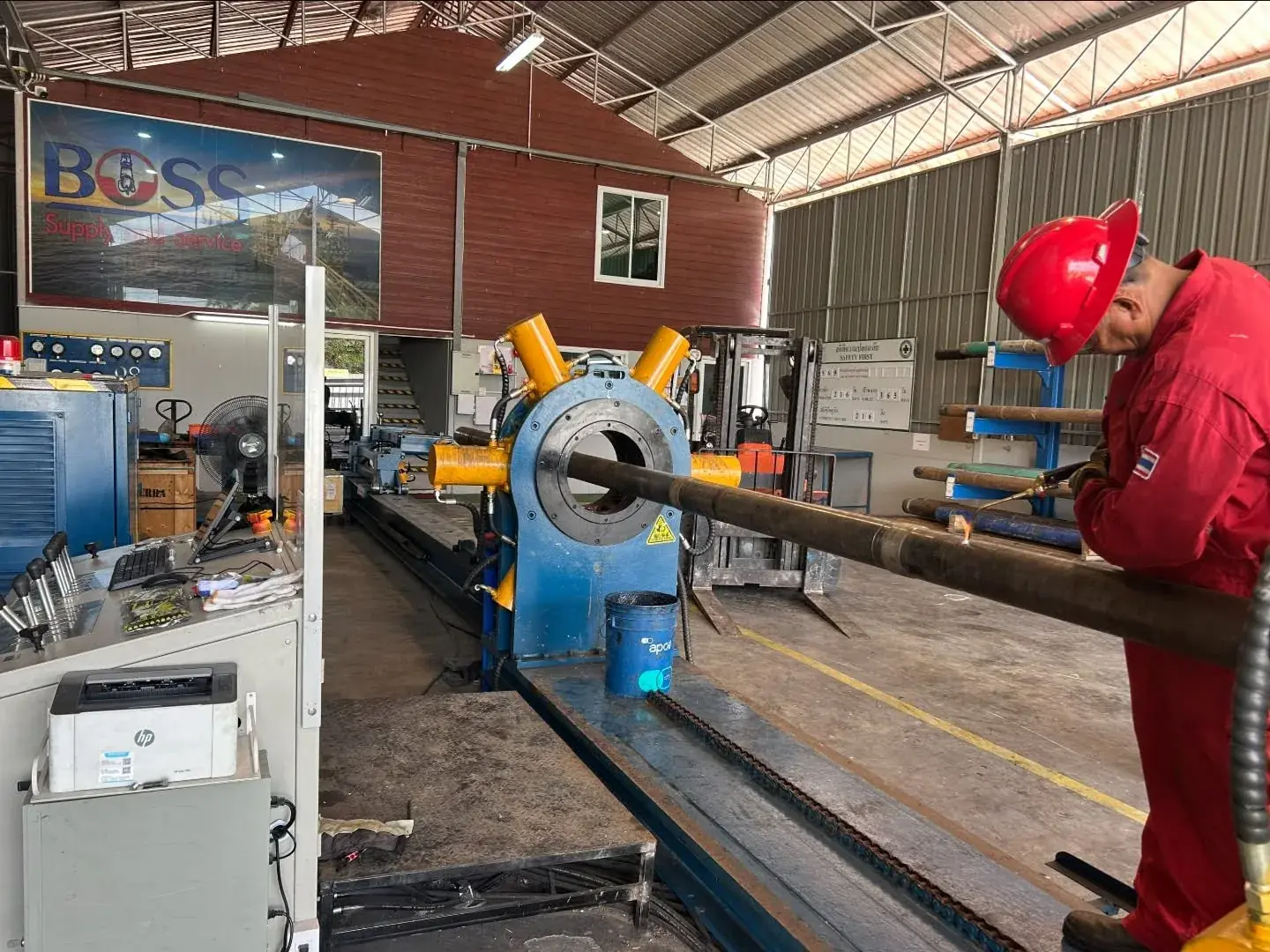
Customer project
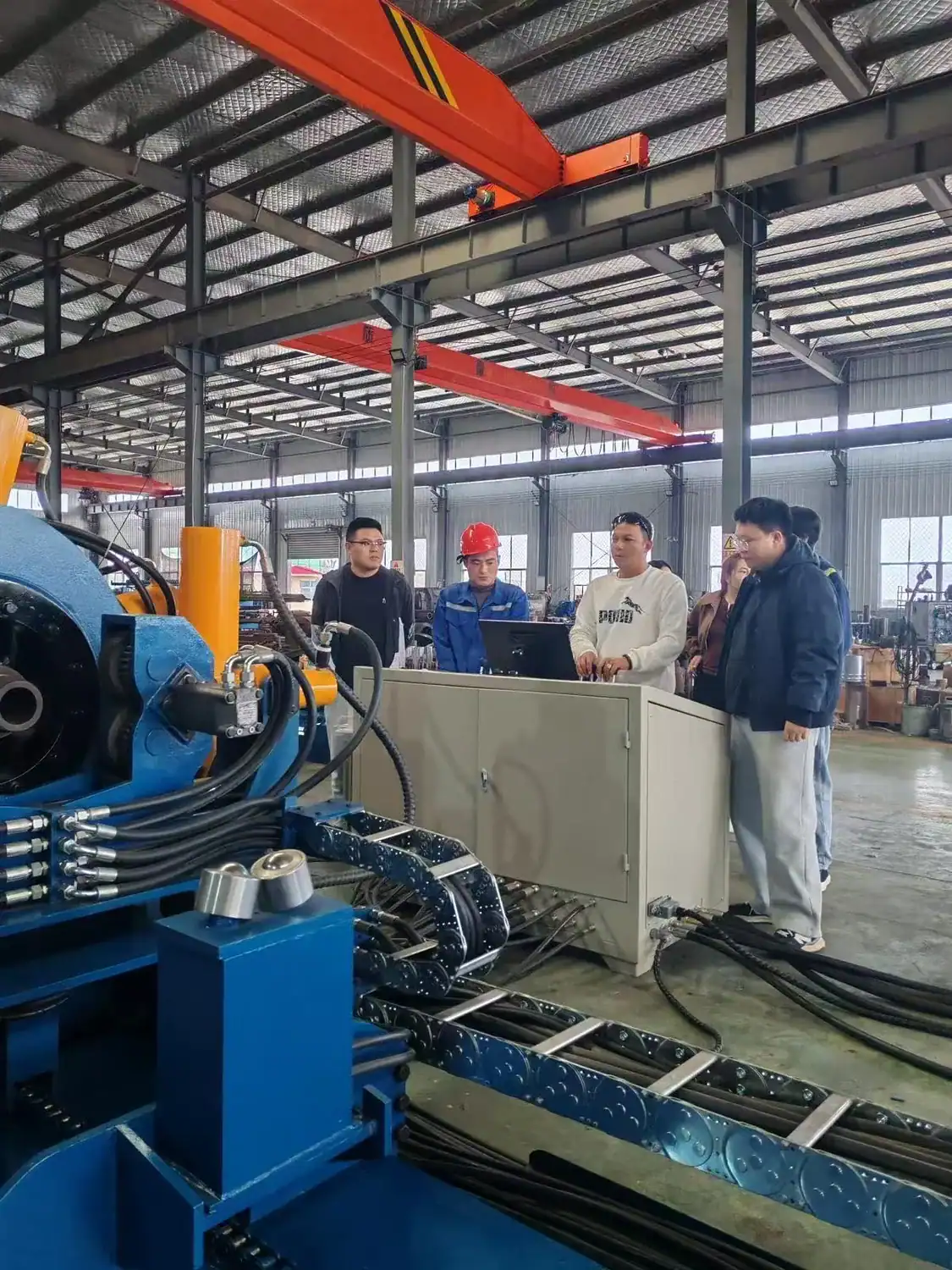
Breakout Unit Project Case
See a 15-inch Galip breakout unit configured for high-torque disassembly in a Thailand workshop.
Buyer Questions
Breakout Unit Buyer Q&A
Breakout-unit buyers usually need clarity on breakout force, gripping discipline, thread protection, and whether the machine is built for repeated service work instead of only presenting a headline torque figure.
When is a breakout unit the better fit than a bucking unit?
A breakout unit is usually the right answer for fast workshop make-break work, tool servicing, and general tubular handling where speed and safe breakout matter most. If your job depends on strict torque-turn acceptance and traceable make-up quality, a bucking unit is normally the better match. For a longer-form view of where each machine earns its keep, see this make-up and break-out machine equipment guide.
How does a breakout unit help reduce thread damage and rework?
Thread damage is usually reduced through stable gripping, correct jaw selection, smooth hydraulic action, and a machine that matches the real connection range. Buyers comparing options can review why breakout machines stay essential in workshop operations, how break-out units support safer and faster service work, and how make-up and breakout torque machines are compared in practice.
Can Galip configure the machine around our tool range and service workflow?
Yes. Clamp capacity, support hardware, stroke, and handling accessories can be matched to your product mix and service process so the machine fits real workshop use instead of forcing operators to work around the equipment. For a practical view of how service-center machines are set up around controlled make and break, see this downhole tool service center guide.
What should a serious quotation package include?
Send the connection or tool types, OD range, torque requirement, service environment, and any special handling concerns around chrome, premium threads, or awkward geometries. That gives Galip enough detail to quote a configuration that will actually work on the floor. For background on the tooling, torque control, and premium-connection work the machine will typically cover, see this guide to torque machines for premium oil and gas connections.
What are typical lead times, payment terms, and shipping arrangements for a breakout unit order?
Lead time, payment terms, and shipping depend on machine size, configuration, and destination, so the clearest answer usually comes after the scope is confirmed. Galip normally pairs the build schedule with a staged payment plan and inspection checkpoints so the commercial path stays aligned with procurement expectations. For a practical view of how quality checkpoints and payment milestones are sequenced on oilfield-equipment orders, see this guide to quality control and payment terms.
What after-sales support, spares, and operator training come with the breakout unit?
Support normally includes commissioning assistance, safe-operation orientation, and a spares package matched to the jaws, seals, and wear parts that get replaced during routine service. That shortens downtime and keeps the machine safe to run. For a view of how a properly configured breakout machine prevents thread-damage failures in service, see this guide to how break-out units prevent connection failures.
How does the machine handle premium-thread, chrome-plated, or difficult-geometry tools?
Premium threads, chrome-plated bodies, and awkward tool geometries usually need purpose-built jaws, careful clamp pressure, and the right adjustable parameters rather than a generic setup. The right configuration protects expensive tools while still giving the operator enough control to break tight connections cleanly. For a practical explanation of the parameters that matter on these jobs, see this guide to adjustable parameters on break-out units.
Practical engineering guides
Torque Machine Service Knowledge
Start with five practical guides for controlled disassembly, repair workflows and service-center make/break work.
Request a Quote
Send us your requirements and our team will put together a proper proposal — the right breakout unit, full specs, pricing, and a delivery timeline. We manufacture in China and supply worldwide, so you deal with the factory directly, not a reseller.

Send your inquiry
Share your product type, operating conditions, quantity, and timing so our team can prepare a practical quote or next-step recommendation.