
How to Select a Rotational Bucking Unit for Service Contracts: Capacity, Tooling, and ROI
Many buying decisions fail because teams compare headline torque numbers without matching real service conditions. This guide focuses on contractor-side selection logic: capacity range, tooling coverage, uptime economics, and payback. Start with the core bucking unit overview, then evaluate options using contract-driven criteria. advanced rotational bucking units Before execution, align your crew on one shared…
Many buying decisions fail because teams compare headline torque numbers without matching real service conditions. This guide focuses on contractor-side selection logic: capacity range, tooling coverage, uptime economics, and payback. Start with the core bucking unit overview, then evaluate options using contract-driven criteria.
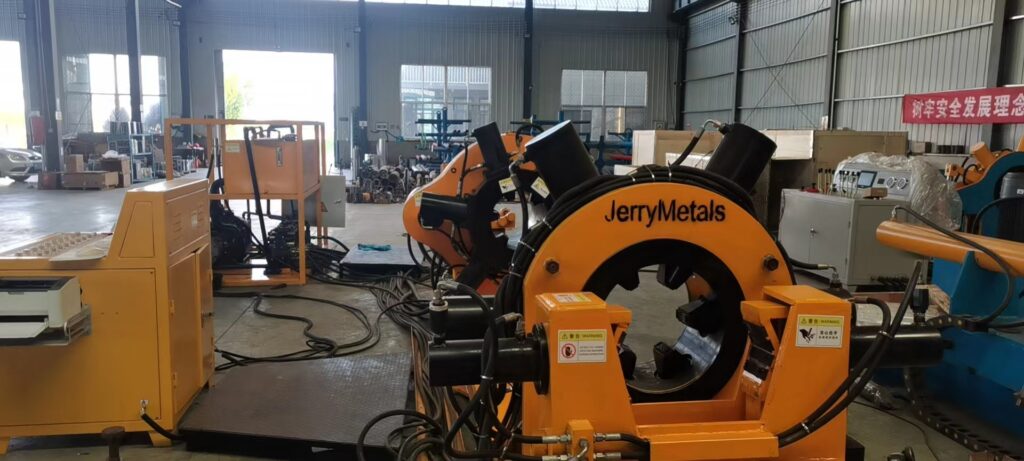
Before execution, align your crew on one shared workflow and use the bucking unit main page as the authoritative process reference.
Capacity Sizing by Contract Mix
Map your expected connection portfolio by OD range, torque class, and thread family. Select a machine that covers current demand plus a practical growth margin, not an unrealistic maximum. Oversizing increases cost and complexity; undersizing creates recurring bottlenecks.
Tooling and Jaw Compatibility Matrix
A rotational bucking unit is only as flexible as its tooling ecosystem. Build a matrix of jaw sets, inserts, and changeover time by connection type. Short changeover windows often deliver more value than marginal top-end torque gains.
Hydraulic and Power Requirements in Real Sites
Validate power and hydraulic stability in the environments where contracts are executed. Performance assumptions from ideal workshop conditions can fail in field logistics. Include utility constraints in procurement scoring, not after delivery.
Uptime, Serviceability, and Spare Strategy
Evaluate preventive maintenance intervals, mean time to repair, and local spare availability. A machine with excellent specs but slow service recovery can destroy contract margins. Reliability economics should carry equal weight with mechanical capability.
ROI Model for Procurement Decision
Use a simple ROI model: avoided rework cost plus throughput gain plus quality claim reduction minus ownership and support cost. Review ROI at 6 and 12 months with operational data to validate procurement assumptions and improve future selections.
Implementation Checklist
- Assign one process owner per shift.
- Use fixed acceptance criteria before operation starts.
- Record deviations and close corrective actions within 24 hours.
- Link supporting SOPs back to the BU hub page.
FAQ
What is the first filter when shortlisting rotational bucking units?
Start with connection portfolio coverage and changeover practicality, then compare torque and automation options.
Is higher torque always better?
No. Torque headroom helps, but mismatch with tooling, workflow, or power conditions can reduce real performance.
How should contractors compare vendors fairly?
Use one weighted scorecard across capacity, tooling, uptime support, and total lifecycle cost.
Next step: If you are consolidating cluster equity, keep this page intent-specific and route broad commercial queries to the Bucking Unit pillar page.
Expert Consultation
Need more information on optimizing your equipment performance? Our engineering team is available for technical consultations.
Request a Quote
Tell us about your requirements and our engineering team will prepare a detailed proposal with specifications, pricing, and delivery timeline.

Send your inquiry
Use the existing contact workflow so the section stays editable inside Bricks without a custom HTML form block.