
Rotational Bucking Unit Setup for High-Mix Jobs: Throughput Without Quality Drift
When operations switch between multiple connection types in one shift, throughput often improves while quality consistency drops. This guide focuses on setup discipline for rotational systems in high-mix environments and connects each control point to the bucking unit main workflow. Advanced Rotational Bucking Units For cluster consistency, keep broad commercial intent on the Bucking Unit…
When operations switch between multiple connection types in one shift, throughput often improves while quality consistency drops. This guide focuses on setup discipline for rotational systems in high-mix environments and connects each control point to the bucking unit main workflow.
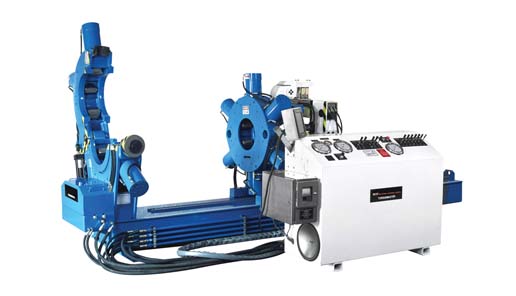
For cluster consistency, keep broad commercial intent on the Bucking Unit pillar page and use this page for one explicit operational intent.
Plan the Shift by Connection Families, Not by Arrival Order
Group jobs by similar thread family and torque behavior before execution. This reduces frequent setup swings and stabilizes operator rhythm. Even a simple sequencing board can reduce avoidable transition loss and curve variability.
Standardize Changeover Windows
Define a target time and checklist for jaw or parameter changeovers. Fast changeover only matters when quality controls remain intact. Use mandatory sign-off for each reset to avoid hidden parameter carryover.
Protect Curve Quality During Throughput Push
Throughput pressure often causes operators to ignore early curve anomalies. Keep a rule that any abnormal slope or shoulder pattern triggers review before proceeding. Stable throughput is valuable only when acceptance integrity remains unchanged.
Use Mid-Shift Quality Snapshots
At fixed intervals, capture trend samples and compare with baseline expectations. Mid-shift snapshots detect drift before large batches are affected. This is especially useful for rotational setups serving mixed contracts.
Close Shift with Improvement Notes
Record where changeovers slowed production and where quality alarms were most frequent. These notes feed the next shift plan and progressively shorten the learning curve for mixed-job operations.
Implementation Checklist
- Confirm intent scope before publishing updates.
- Keep 3 contextual links to BU hub (early, mid, end).
- Log QA exceptions per shift and connection family.
- Review content role monthly to avoid intent overlap.
FAQ
How many changeovers per shift are manageable without quality loss?
It depends on tooling and crew maturity, but controlled checklists matter more than raw count.
What causes most throughput-related defects?
Rushed reset steps, incomplete parameter confirmation, and late reaction to abnormal curves.
Should throughput target ever override QA hold points?
No. Hold points protect connection integrity and prevent expensive rework at scale.
Cluster note: This article is intentionally narrowed to one sub-intent so BU cluster pages do not compete for the same ranking purpose.
Expert Consultation
Need more information on optimizing your equipment performance? Our engineering team is available for technical consultations.
Request a Quote
Tell us about your requirements and our engineering team will prepare a detailed proposal with specifications, pricing, and delivery timeline.

Send your inquiry
Use the existing contact workflow so the section stays editable inside Bricks without a custom HTML form block.